
Cologne Cathedral (Kölner Dom): Gothic landmark and archiepiscopal seat
Cologne Cathedral is a monumental Gothic Roman Catholic cathedral in Cologne, Germany, noted for its twin spires, medieval treasures, long construction history, and UNESCO World Heritage status.
Cologne Cathedral (German: Kölner Dom; formally Hohe Domkirche St. Petrus) is the Roman Catholic cathedral of the Archdiocese of Cologne, located on the banks of the Rhine in the city of Cologne. The building is one of the most famous examples of High Gothic architecture in northern Europe. Its twin spires reach 157.25 metres, making the church among the tallest religious structures in the world and a dominant feature of Cologne's skyline. The cathedral remains an active place of worship, a pilgrimage destination and one of Germany's most-visited monuments.
Image gallery
10 Images


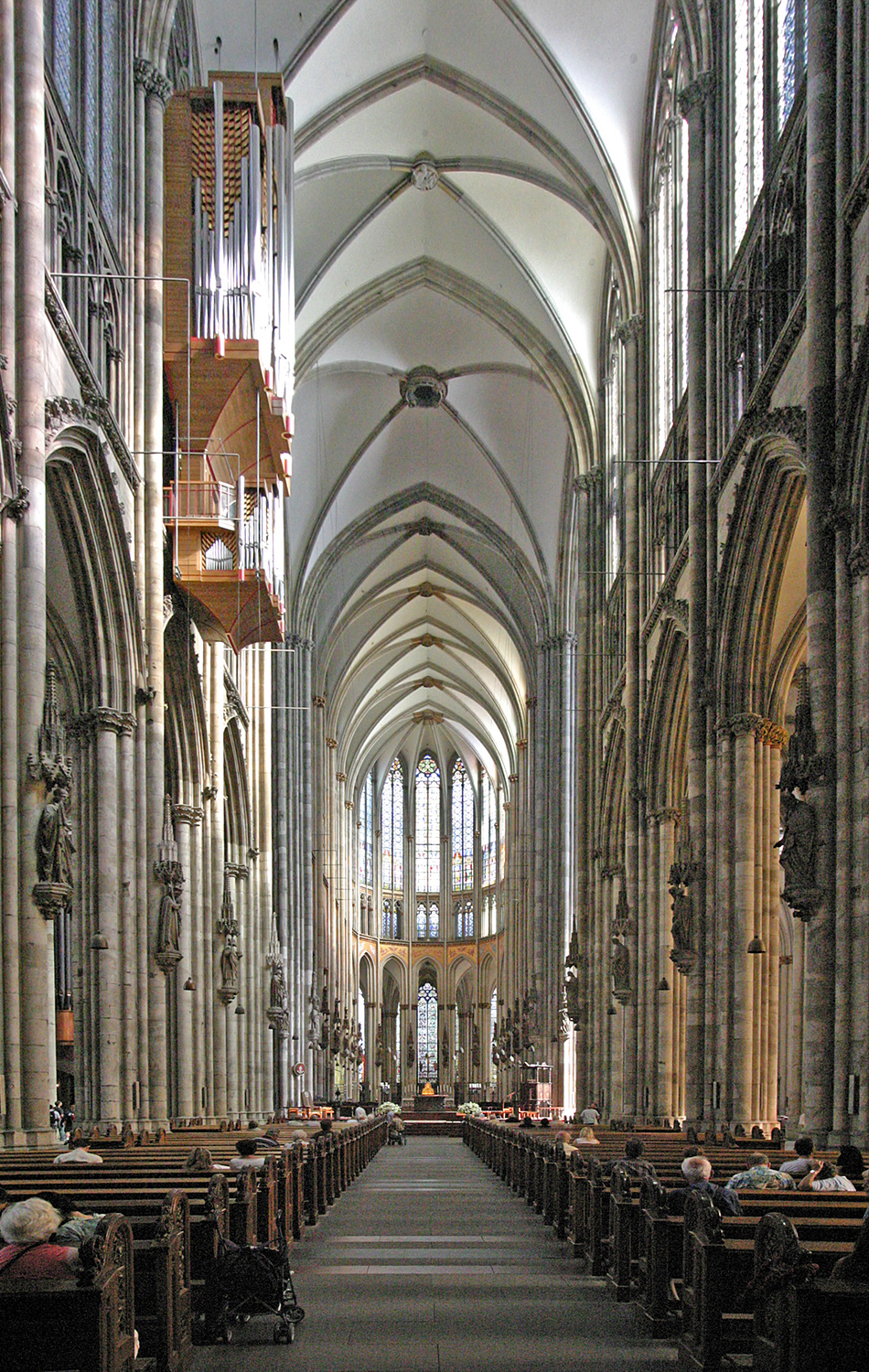


Architecture and principal features
The cathedral is characterised by typical Gothic elements: pointed arches, ribbed vaults, large clerestory windows, flying buttresses and an elongated nave that creates a strong vertical impression. The choir was completed and consecrated in the early 14th century, and the building contains richly decorated chapels, intricate stone tracery, medieval stained glass panels and a number of sculptural programs. A celebrated treasure is the Shrine of the Three Kings, a large medieval reliquary reputed to contain relics of the Magi; this work exemplifies the cathedral's role as a major medieval pilgrimage site. Large bells and a substantial pipe organ contribute to its musical liturgy, while conservation of fragile stone and glass is an ongoing task for conservators.
History and construction
Construction on the present Gothic structure began in 1248 with the expressed ambition to rival other great French cathedrals. Building progressed through the Middle Ages: parts of the choir were finished and consecrated in 1322, and additional work continued into the 15th and early 16th centuries. By the turn of the 16th century enthusiasm and funds for the project waned, and construction came to a halt for several centuries. The unfinished shell stood as a landmark of an interrupted medieval dream until the 19th-century Gothic revival and a rising sense of national and cultural identity prompted renewed interest. Completion was achieved in 1880, largely following original medieval plans, often with 19th‑century engineering and techniques. The cathedral sustained damage during World War II but remained standing amid the devastated city; subsequent restoration and conservation have continued into the present day.
The stone most commonly used for the exterior is a light-coloured sandstone that weathers over time, giving the fabric a distinctive patina and presenting particular conservation challenges. Internally, medieval glass survives in fragments and later periods contributed stained glass and furnishings. The building has long been the seat of the archbishop and a focal point for civic, religious and cultural life in Cologne.
Significance, visitors and distinctions
In 1996 the cathedral was inscribed on the UNESCO World Heritage List in recognition of its outstanding Gothic architecture, its role in European ecclesiastical history and the exceptional state of preservation of its medieval plan and many details. It draws millions of visitors and pilgrims each year, combining liturgical functions with tourism. Cologne Cathedral ranks among the tallest church buildings worldwide; comparisons with other notable large churches and basilicas frequently appear in descriptions of its scale. It has hosted major events, state ceremonies and papal visits during its modern history.
Beyond its religious role, the cathedral is a symbol of the city and a case study in long-term architectural continuity, restoration practice and heritage management. Its completion after centuries of interruption is often cited as an example of the 19th-century historicist movements that sought to complete medieval projects using both original plans and contemporary technologies.
Further information and resources
- Official cathedral or diocesan page
- Visitor information and opening hours
- Cologne city tourism
- Germany travel and cultural overview
- Comparative information on Ulm Minster
- Details on Seville Cathedral
- Seville city resources
- Spain cultural sites
- Milan Cathedral overview
- Milan city guide
- Italy heritage information
- Historical dates and medieval building phases
- Amiens Cathedral and Gothic models
- UNESCO World Heritage listing
- UNESCO documentation and criteria
- Papal and modern ceremonial visits
Note: This article summarizes widely known facts about Cologne Cathedral and its history. For precise scholarly citations, in-depth archival material or the cathedral's current conservation status, consult the official resources and specialist publications listed above.
Related articles
Author
AlegsaOnline.com Cologne Cathedral (Kölner Dom): Gothic landmark and archiepiscopal seat Leandro Alegsa
URL: https://en.alegsaonline.com/art/21680
Sources
- whc.unesco.org : "Cologne Cathedral"