
Commemorative plaque
A commemorative plaque is a durable plate mounted in public or private spaces to record people, events, uses, or achievements; made in many materials and used for memorial, educational, or decorative purposes.
A commemorative plaque is a flat plate or tablet, typically fixed to a wall, stone, building, or freestanding post, that records names, dates, events, dedications or brief statements. Plaques are made from a variety of materials and are intended to be permanent or long-lasting markers that communicate historical, cultural, or personal information to viewers. Smaller, decorative versions are sometimes called plaquettes; larger outdoor examples are generally termed plaques or memorial plates.
Image gallery
10 Images


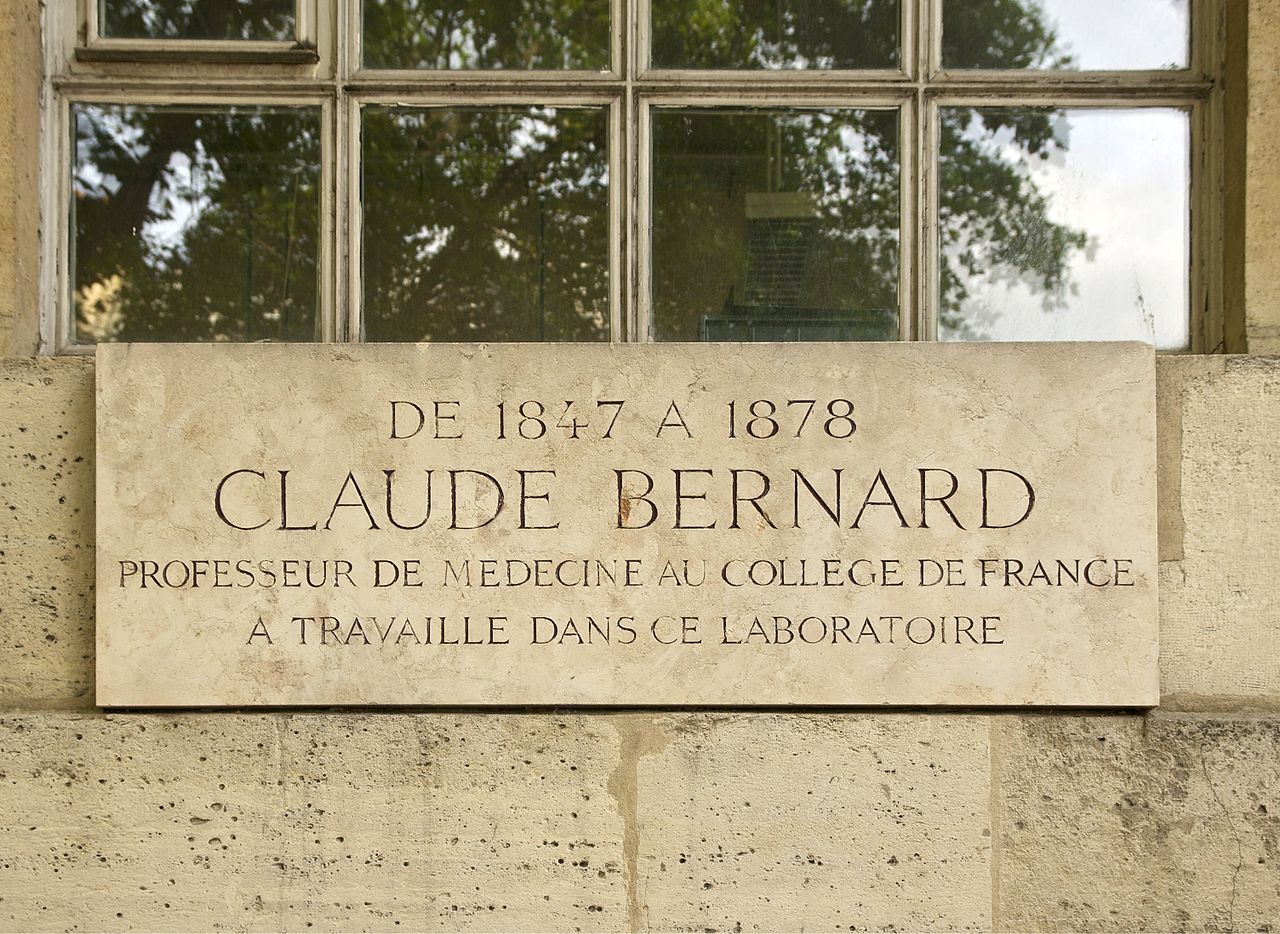


Materials and design
Common materials include cast or engraved metals, ceramic tiles, stone, wood, glass and modern composites. Each material affects durability, appearance and suitability for particular settings. For example, bronze resists corrosion outdoors while ceramic supports colored glazing; stone can be carved or sandblasted for deep relief. Many organizations publish style guides for lettering, logos and mounting methods. See an overview of typical materials and manufacturing techniques for more details.
Typical inscriptions and imagery
Plaques usually carry text and sometimes an image, emblem, or bas-relief. Common inscription types include:
- Memorial dedications to individuals or groups, often placed where a person lived, worked or died.
- Historical markers describing significant events, anniversaries or the former use of a site.
- Commemorations of public works, buildings, or community projects.
- Honorific or donor recognition plaques acknowledging contributions to institutions.
In memorial contexts plaques function similarly to epitaphs; for discussion of short memorial inscriptions see epitaph resources. When marking events they often summarize why a place is significant; compare general guidance at event marker references.
History and cultural role
The practice of setting written memorials in durable media goes back to ancient civilizations that inscribed stone and metal. Modern commemorative plaques became widespread with the expansion of civic institutions and public history movements in the 19th and 20th centuries. Municipalities, heritage bodies and societies now maintain registers of plaques and often adopt formal schemes for nomination, approval and conservation.
Placement, preservation and controversies
Plaques may be installed by individuals, community groups, businesses or government agencies. Placement raises practical and legal matters: permission from property owners, compliance with conservation rules in protected areas, and safe mounting methods. Over time plaques can suffer weathering, vandalism or theft; conservation uses cleaning, stabilizing mounts and, for fragile items, relocation to protected interiors or archival reproduction.
Uses and examples
As interpretive tools, plaques provide concise context for passersby, supplementing guidebooks and digital resources. They are commonly found on churches, civic buildings, bridges, residential façades and in parks or battlefields. Organizations often link physical plaques to online databases to expand background information. Plaques can commemorate famous residents, mark technological firsts, record social history, or celebrate cultural milestones; in all cases they serve as accessible points of public memory and local identity. For broader civic and educational initiatives see related memorial and interpretation materials.
Variations in scale, wording and design reflect differing aims—legal acknowledgement, formal memorial, or informal tribute—and the careful selection of material and site helps ensure the plaque's message endures for future visitors and researchers.
Questions and answers
Q: What is a commemorative plaque?
A: A commemorative plaque is a plate made of metal, ceramic, stone, wood, or other material that usually has text and sometimes an image in memory of one or more persons, an event, a former use of the place, or some other thing.
Q: Where is a commemorative plaque usually placed?
A: A commemorative plaque is usually placed on a wall or a large stone.
Q: What is a plaquette?
A: A plaquette is a small plaque.
Q: Can the word plaquette be used for outdoor plaques fixed to a wall?
A: No, the word plaquette is not usually used for outdoor plaques fixed to a wall.
Q: What is the purpose of a commemorative plaque?
A: The purpose of a commemorative plaque is to honor and remember a person, event, or thing.
Q: What materials can be used to make a commemorative plaque?
A: A commemorative plaque can be made of metal, ceramic, stone, wood, or other materials.
Q: What does an epitaph refer to in relation to a commemorative plaque?
A: An epitaph is one of the things that a commemorative plaque can be used for, which is text in memory of one or more persons.
Tags
Related articles
Author
AlegsaOnline.com Commemorative plaque Leandro Alegsa
URL: https://en.alegsaonline.com/art/21948
Sources
- english-heritage.org.uk : "History of the Blue Plaques Scheme"
- modbee.com : "Stanislaus supervisor wants recycling ordinance used to fight metal theft regionally"