
Colón Cemetery (Cementerio de Cristóbal Colón)
Major historic cemetery in central Havana (Vedado), opened 1886; noted for its formal grid, grand mausoleums, abundant funerary sculpture and role as a civic place of memory.
Overview
Colón Cemetery, commonly called Cementerio de Cristóbal Colón, is the principal historic cemetery of Havana and is widely regarded as Cuba's national cemetery. Located in the Vedado district of central Havana, the cemetery functions both as an active burial ground and as an open-air museum of funerary art and architecture. Visitors and researchers often consult site coordinates and maps for orientation: map and coordinates. The complex is named for the explorer Christopher Columbus (Cristóbal Colón) and is known for its formal design and sculptural ensembles.
Image gallery
8 Images
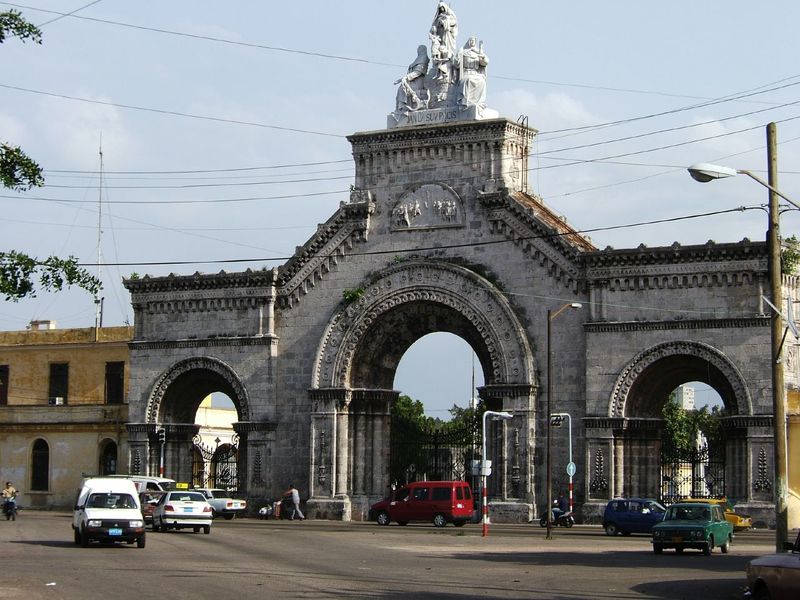


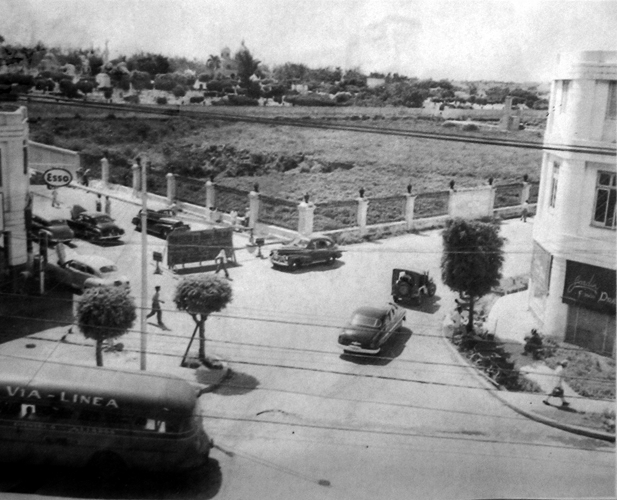

History
Work on the cemetery began in 1871 in response to urban growth and changing public-health and planning ideas of the 19th century; it opened to the public in 1886. From its inception the site was conceived as a planned, monumental burial ground with avenues, axial vistas and a central chapel that anchors the composition. Over time the cemetery accumulated monuments that document political, military and cultural currents in Cuban history and social life.
Layout and architecture
The cemetery is organized on a rectilinear grid of avenues and plots, with family vaults, columbaria and freestanding mausoleums arranged along formal paths. A prominent central chapel provides a focal point for the plan and ceremonial access to principal axes; readers can find references to the structure noted as the central chapel. Architectural styles in the cemetery range from neoclassical to eclectic, incorporating marble, limestone, bronze statuary and ornamental ironwork.
Funerary art and monuments
Colón Cemetery is notable for the quality and variety of its funerary sculpture: allegorical figures, portrait busts, angelic and religious iconography, bas-reliefs and large-scale tomb monuments. Family mausoleums often display inscriptions, coats of arms and symbolic motifs that reflect beliefs, status and artistic fashions of the 19th and 20th centuries. The scale and craftsmanship of many monuments make the cemetery an important site for those studying sculpture and memorial design.
Burials and significance
While still serving local burial needs, the cemetery also preserves the remains of many prominent Cubans from different eras. It is frequently described in guidebooks and official accounts as Cuba's principal national cemetery; see a general reference to its national role at national cemetery. As a repository of civic memory the site records changing tastes, religious practices and political histories through its monuments and inscriptions.
Conservation and visiting
Conservation is an ongoing concern: stone, metal and landscape features are subject to weathering and urban pressures, and efforts to preserve the sculptures and masonry are important for cultural heritage. The cemetery is open to visitors, who are expected to respect funerary rites and site regulations. Guided tours and local museum resources can provide historical context and improve understanding of the monuments' meanings.
Practical information and further resources
- Location and orientation: consult maps and coordinates (map).
- Context within the city: situated in central Havana and accessible from major thoroughfares.
- Architectural focal point: the courtyard and chapel form the visual core of the plan.
- Research and visits: institutional archives and cultural guides provide further reading and practical visitor information; the cemetery continues to serve as a place of commemoration and reflection in Cuba (national cemetery).
Related articles
Author
AlegsaOnline.com Colón Cemetery (Cementerio de Cristóbal Colón) Leandro Alegsa
URL: https://en.alegsaonline.com/art/21707