
Seville (Sevilla) — capital city of Andalusia, Spain
Seville is the capital of Andalusia in southern Spain, located on the Guadalquivir River. It is known for its historic monuments, flamenco traditions, major festivals and rich cultural heritage.
Seville (in Spanish Sevilla) is a major city in the south of Spain. It serves as the capital of the autonomous community of Andalusia and as the administrative centre of the province of Seville. The city sits beside the Guadalquivir River, a waterway that has shaped its history, economy and urban layout. Residents are commonly called Sevillanos.
Image gallery
10 Images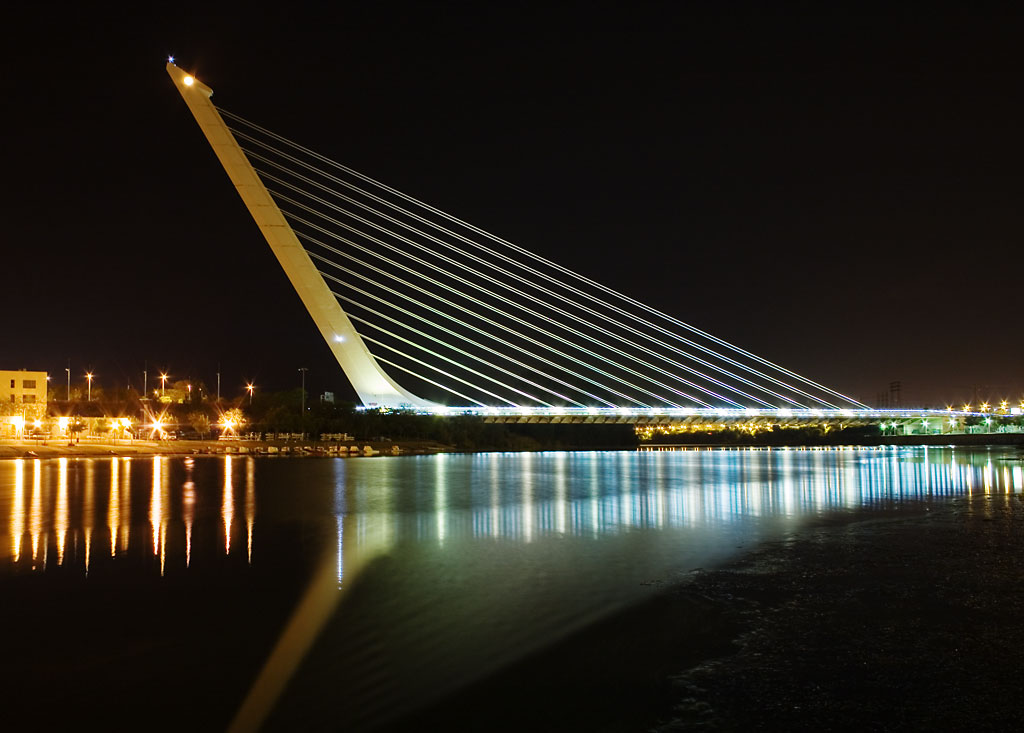


Landmarks and neighbourhoods
Seville's historic core contains a dense collection of monuments spanning Roman, Islamic and Christian periods. Prominent sites include the Alcázar palace complex, the Cathedral with its Giralda tower, and the semi-circular Plaza de España. Distinct neighbourhoods such as Santa Cruz, Triana and El Arenal each retain unique characters—narrow lanes, ceramic workshops, and riverside vistas—contributing to Seville's reputation as a living museum.
History and development
The city's origins trace back to antiquity, with settlement and trade under Roman rule and significant growth during the period of Islamic rule in the Iberian Peninsula. After falling to Christian forces in the 13th century, Seville became an important commercial and administrative centre. Its fortunes rose further during the era of transatlantic exchange when the Guadalquivir facilitated trade with the Americas, leaving a legacy visible in architecture and civic institutions.
Culture, festivals and traditions
Seville is widely regarded as a cultural heartland of southern Spain. The city has deep connections with flamenco music and dance and hosts celebrated religious and popular festivals, notably Semana Santa (Holy Week) and the Feria de Abril (April Fair). Gastronomy and social rituals—tapas, outdoor cafes, and citywide celebrations—reflect the region's warm climate and Andalusian way of life.
Climate, economy and transport
The climate is Mediterranean with very warm summers and mild winters, which influences daily routines and tourism patterns. Modern Seville is supported by services, tourism, education and light industry, while the surrounding countryside remains important for agriculture. The city is connected by road, rail and an international airport, and its river continues to be an identifying feature although commercial river traffic is limited compared with earlier centuries.
Quick facts and notable points
- Language commonly spoken: Spanish (Sevilla is the local name).
- Major river: Guadalquivir River, which crosses the city westward.
- Administrative roles: capital of Andalusia and of the province of Seville.
- Known for: historic monuments, flamenco culture, Semana Santa and the Feria de Abril.
Visitors and students of urban history often cite Seville for the way it layers historical eras within a compact, walkable centre. Whether appreciated for its monuments, festivals or everyday life, the city remains a prominent example of Andalusian heritage and Spanish urban tradition.
Questions and answers
Q: Where is Seville located?
A: Seville is located in the southern parts of Spain.
Q: What is the name of the river that goes through Seville?
A: The river that goes through Seville is called the Guadalquivir River.
Q: What is the capital of the Spanish autonomous community Andalusia?
A: The capital of the Spanish autonomous community Andalusia is Seville.
Q: What is the name of the province that Seville is the capital of?
A: Seville is the capital of the province of Sevilla.
Q: What do you call people from Seville?
A: People from Seville are called Sevillanos.
Q: What is the Spanish name for Seville?
A: The Spanish name for Seville is Sevilla.
Q: How would you describe the location of Seville in Spain?
A: Seville is located in the southern parts of Spain, and it is the capital of the Andalusia autonomous community and the province of Sevilla.
Related articles
Author
AlegsaOnline.com Seville (Sevilla) — capital city of Andalusia, Spain Leandro Alegsa
URL: https://en.alegsaonline.com/art/89239