
Coccinella septempunctata — the seven-spot ladybird
A widespread European ladybird with red elytra and seven black spots; a common aphid predator used in biological control and established beyond its native range.
Overview
The seven-spot ladybird, Coccinella septempunctata, is a familiar and conspicuous beetle found across Europe and in regions where it has been introduced. Adults are commonly 5–8 mm long and are notable for their red wing cases (elytra) bearing seven black spots. The head and pronotum usually show black and white markings, and the underside and legs are darker in colour. This species belongs to the family Coccinellidae within the infraorder Cucujiformia, a major grouping of plant-associated beetles.
Image gallery
9 Images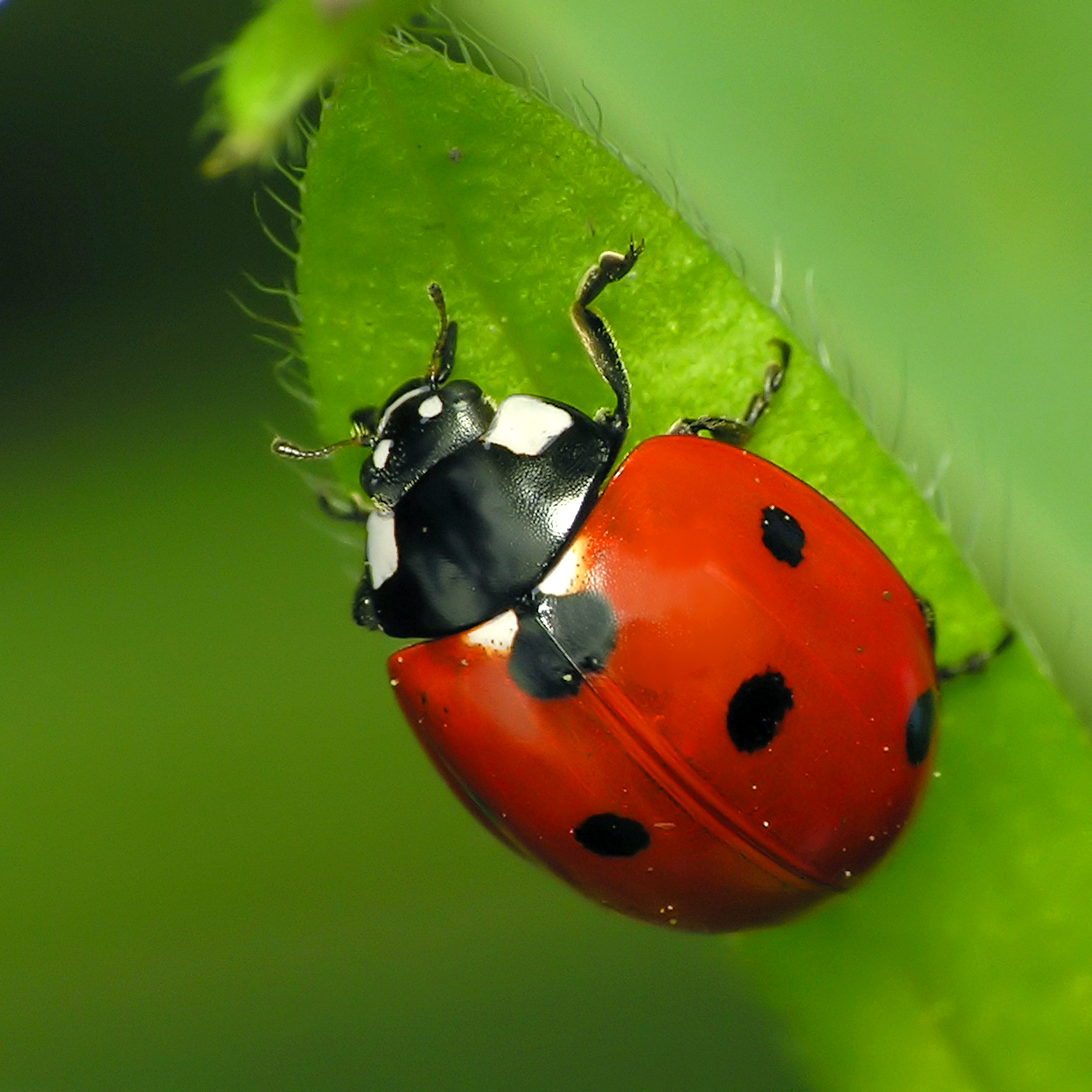



Identification and life cycle
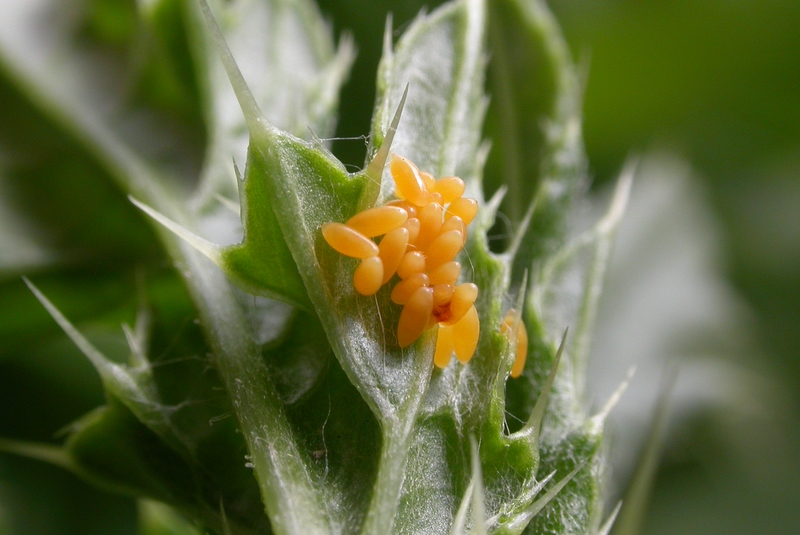
Identification is based on the number and arrangement of spots on the elytra and overall shape and size. The typical pattern can be consulted in regional keys and photographic guides for confirmation: see resources on appearance, colour and head pattern. The species undergoes a complete metamorphosis with the stages egg, larva, pupa and adult. Larvae are elongated, somewhat alligator-like in appearance, and are active predators; they pass through several instars before pupating on leaves or stems. Size references and measurement guidance are available in identification literature: size.
Distribution and habitat
Coccinella septempunctata is one of the most common ladybirds in much of Europe, occurring in gardens, hedgerows, meadows, orchards and arable fields. It is associated with habitats where its prey — primarily plant-sucking insects — are abundant. Because it feeds on aphids and similar pests, this species has been intentionally and accidentally moved beyond its native range; consult summaries of introductions and records from North America for regional status and establishment details.
Role in pest control and interactions
The seven-spot ladybird is widely regarded as beneficial in agriculture and horticulture because it reduces populations of aphids and other soft-bodied pests. It is used informally in integrated pest management and has been involved in classical biological control efforts. Natural enemies include birds, predatory insects, spiders and parasitic wasps; populations can vary seasonally with prey availability and climatic conditions.
Taxonomy, similar species and behaviour
- The specific name septempunctata means "seven-spotted" and refers to the characteristic spot pattern on the elytra.
- Several other Coccinella species and similarly coloured ladybirds can resemble it; consult guides on common species and comparative keys to avoid misidentification.
- Adults commonly aggregate in sheltered sites to overwinter, sometimes forming large communal roosts.
For practical identification and management advice, refer to field keys and regional fact sheets that describe variation, lookalikes and local distribution. Additional resources and overview pages include links on legs and mobility, the insect underside and anatomy, larval and pupal life stages, taxonomic background (Cucujiformia), and compiled records of introductions and current North American records. See also general summaries of prey associations and monitoring approaches.
Further links: appearance, colour, head pattern, legs, underside, size, life stages, common species, European range, prey, introductions, North American records, taxonomic grouping.
Related articles
Author
AlegsaOnline.com Coccinella septempunctata — the seven-spot ladybird Leandro Alegsa
URL: https://en.alegsaonline.com/art/21310
Sources
- arkive.org : Seven-spot ladybird (Coccinella septempunctata)
- animaldiversity.org : Coccinella septempunctata