
Cucujiformia: infraorder of plant-associated beetles
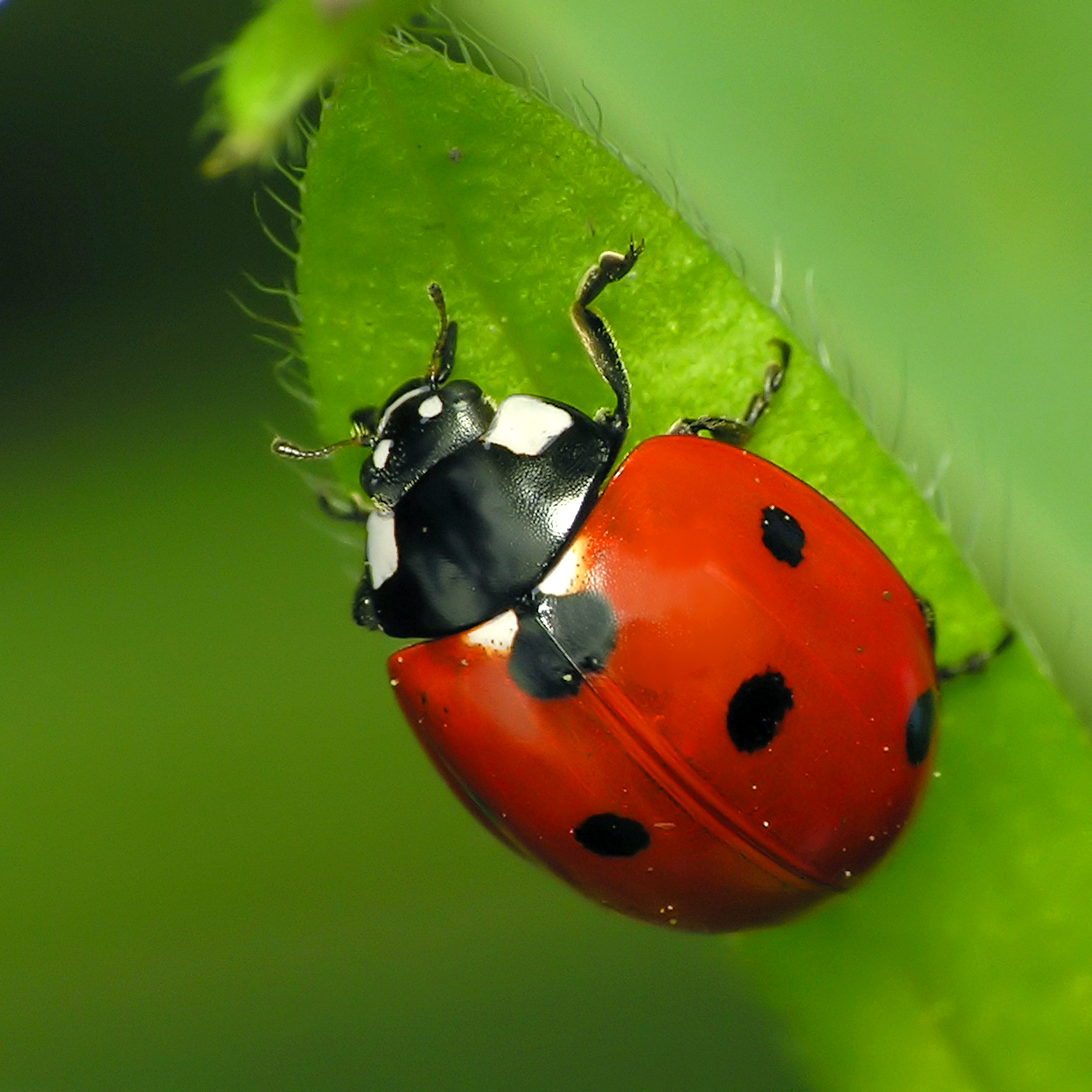
Cucujiformia is an infraorder of the beetle suborder Polyphaga that contains several superfamilies of mostly plant-eating beetles, including weevils, leaf beetles, ladybirds and sap beetles.
Overview: Cucujiformia is a major infraorder within the beetle suborder Polyphaga. It groups together a large portion of beetle diversity, especially lineages that are closely associated with plants. Members range from strictly herbivorous species to groups with varied diets, and they occur worldwide in most terrestrial habitats.
General characteristics: Beetles assigned to Cucujiformia are diverse in size and shape, but many share life histories tied to leaves, stems, seeds, wood or flowers. Larval and adult stages often feed on living or dead plant tissue, fungi associated with plants, or on other small arthropods inhabiting vegetation. Because the infraorder is defined by evolutionary relationships rather than one single outward trait, external anatomy varies considerably between families.
Image gallery
9 Images


Superfamilies
- Chrysomeloidea – includes leaf beetles and longhorn beetles, many of which feed on leaves and stems.
- Curculionoidea – the weevils and snout beetles, a very large group with many seed, stem and root feeders.
- Cucujoidea – a diverse assemblage that includes sap- and fungus-associated beetles and many small, flattened forms.
- Tenebrionoidea – contains darkling beetles and relatives, with mixed diets including plant material and fungal matter.
- Coccinelloidea – includes lady beetles and related families; while many are predatory, some feed on plants or fungi.
- Cleroidea – a smaller superfamily with both predatory and plant-associated species.
Evolution and history: Cucujiformia is believed to have diversified substantially during the Mesozoic and particularly alongside the radiation of flowering plants (angiosperms). This long evolutionary association helped produce the large number of species that exploit leaves, flowers, seeds and woody tissues.
Importance and examples: The infraorder contains species of great economic and ecological significance. Many agricultural pests belong here, for example several weevils and leaf beetles that damage crops. Conversely, groups such as lady beetles are important biological control agents of aphids and other pests. Cucujiformian beetles also contribute to pollination, nutrient cycling and the decomposition of plant material.
Notable distinctions: Although often described as predominantly plant-eating (phytophagous), Cucujiformia also includes predators, fungivores and saprophages. Its classification is based on phylogenetic relationships and continues to be refined as molecular and morphological studies clarify family-level limits and histories.
Related articles
Author
AlegsaOnline.com Cucujiformia: infraorder of plant-associated beetles Leandro Alegsa
URL: https://en.alegsaonline.com/art/24539