
Coat of arms: meaning, parts, history and modern uses
A coat of arms is a hereditary or official emblem displayed on a shield and used for identification. This article explains its parts, heraldic rules, history, legal status, and contemporary examples.
A coat of arms is a distinctive heraldic design usually displayed on a shield or escutcheon and used to identify an individual, family, organization or state. Traditionally these designs were painted on a shield for use in battle or ceremony; today they are more commonly shown on stationery, flags, seals and legal documents. A key feature is that a coat of arms is not merely decorative but follows a formal description and may be recorded or regulated by official authorities.
Image gallery
7 Images


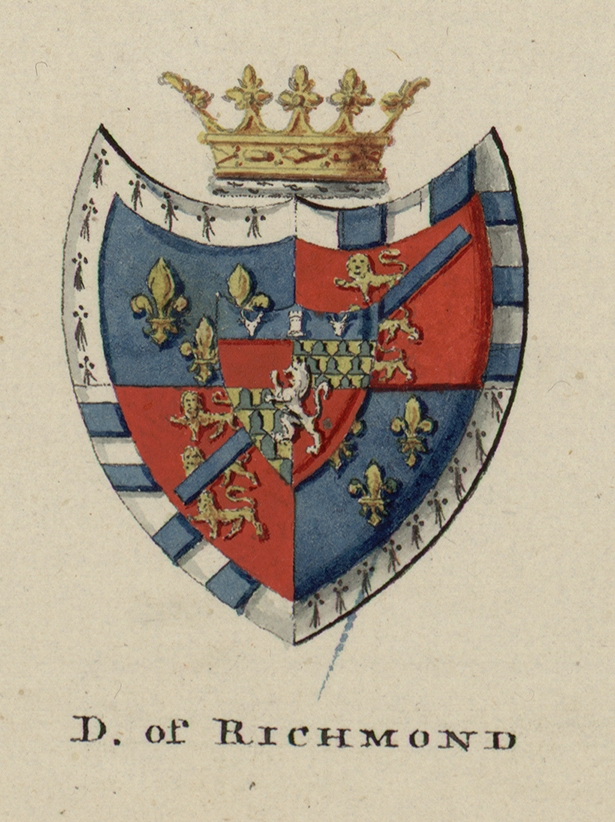


Elements and terminology
Coats of arms are composed from a limited vocabulary of shapes, colors and figures. The formal verbal description is called a blazon. Common components include the shield, crest, helmet, mantling, supporters, motto and sometimes a compartment or badge. Colors and metals (tinctures) follow traditional rules — for example, the rule of tincture limits placing metal on metal or color on color. Each element has a conventional meaning but the overall design functions as a unique identifier rather than a literal story.
- Shield (escutcheon): the main surface bearing charges and ordinaries.
- Crest: a device set above the helmet, often repeated elsewhere.
- Supporters: figures that stand beside the shield, frequently found in state or noble arms.
- Motto and compartment: phrase and base on which supporters stand.
History and development
Heraldic arms developed in medieval Europe as a practical means of identification on the battlefield and in tournaments. Over time the system became formalized into the discipline of heraldry, with rules for designing and describing arms. In many countries these rights and records became regulated. For example, in England the College of Arms oversees grants and registrations, while in Scotland the office of the Lord Lyon performs a similar role. The medieval origin is commonly referenced as the Middle Ages, when painted devices were worn on shields and surcoats.
Inheritance, registration and legal status
Coats of arms are often hereditary and can pass through families according to local custom or law. In many jurisdictions a coat of arms is granted or matriculated by a heraldic authority and recorded in an official roll; the written grant is sometimes called a grant of arms and may be drawn or painted as part of the record. In some places these rights are enforceable by law and misuse can be challenged; legal practices vary widely between states and cultural traditions.
Modern uses and distinctions
Although once tied to knights and nobility, coats of arms are now used by a broad range of entities. National governments and countries often adopt arms for state identity; universities, cities and businesses may adopt heraldic-style emblems; and private individuals can sometimes petition for a personal grant. Unlike a commercial logo, a coat of arms follows heraldic conventions and can be inherited or constrained by regulation. Each charge or device on an achievement is intended as a meaningful symbol, conveying lineage, property, office, virtues or achievements.
Familiarity with heraldic language helps with reading and designing arms, but the basic purpose remains identification and representation. Whether as a medieval battlefield device or a modern municipal emblem, coats of arms continue to connect visual symbolism with legal and cultural identity.
Related articles
Author
AlegsaOnline.com Coat of arms: meaning, parts, history and modern uses Leandro Alegsa
URL: https://en.alegsaonline.com/art/21274