
Cobalt blue
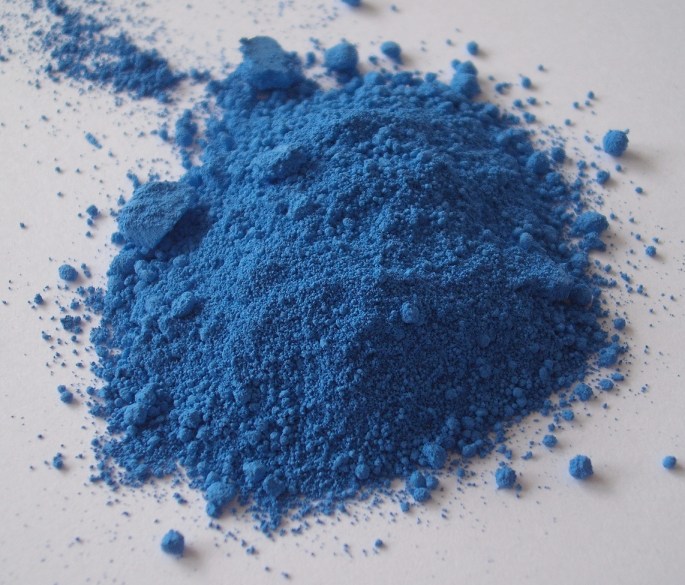
Cobalt blue is a cool, vivid blue pigment and glass color traditionally produced from cobalt compounds; used in art, glassware, ceramics and industry with a long cultural and chemical history.
Overview
Cobalt blue denotes both a specific deep, cool blue hue and the family of pigments and colored glass that produce it. The name is applied to glassware commonly called cobalt glass and to a stable inorganic pigment prized for a clear, non‑green blue. As a color name in English it was recorded by 1777, and the pigment form became widely available during the 19th century.
Image gallery
7 Images



Composition and characteristics
The most familiar modern pigment called cobalt blue is a cobalt(II) aluminate: a hard, inorganic compound that yields a bright, lightfast blue when fired with alumina. Historically other cobalt salts and oxides were used to color glass and glazes; soluble cobalt salts tint glass during melting, while the aluminate pigment is fired and ground to a powder for paints and ceramics. Cobalt blue is valued for its clean, moderately saturated tone and good permanence; in mixtures it tends not to turn toward green as easily as some other blues.
History and development
Cobalt-containing materials have been used to color glass and glazes since antiquity, but the powdered pigment now called cobalt blue was developed in the early 19th century by European chemists as a reproducible, stable pigment for artists and industry. The element name "cobalt" itself derives from a German miners' word (kobold) used for troublesome ores. For historical context and a color sample see cobalt blue color and further notes on early uses at historical reference.
Uses and examples
Cobalt blue appears in a wide range of applications:
- Fine art paints and enamel work, where permanence and a cool hue are desirable.
- Glassware and bottles frequently marketed as "cobalt glass."
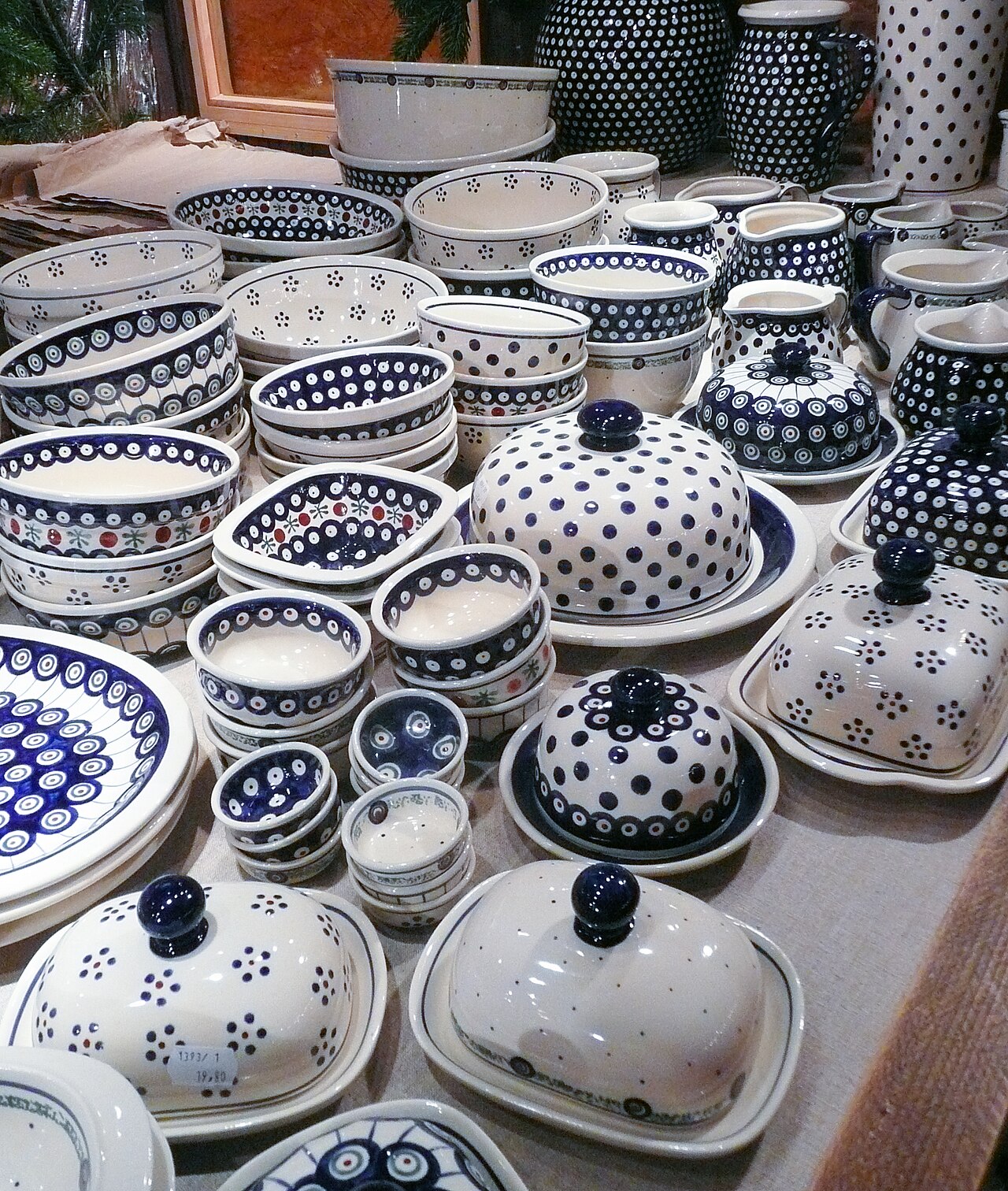
- Ceramic glazes and porcelain decoration.
- Industrial pigments for plastics, inks and protective coatings.
Artists favor it for skies, shadows and mixtures because it remains stable under light and does not fade quickly. For more on pigment chemistry see pigment chemistry.
Distinctions and safety
Cobalt blue differs from related blues in both chemistry and appearance: ultramarine is a sodium‑aluminosilicate with sulfur that leans slightly violet, while Prussian blue is an iron cyanide complex with a darker, greener cast. Cobalt pigments are generally insoluble and less bioavailable than soluble cobalt salts, but some cobalt compounds are toxic in soluble forms and should be handled with appropriate precautions in industrial settings. Practical guidance on modern manufacturing and conservation is available at conservation resources.
Notable fact: the term "cobalt" connects the color to the metal and to a long tradition of miners' and artisans' use of cobalt ores for coloration.
Related articles
Author
AlegsaOnline.com Cobalt blue Leandro Alegsa
URL: https://en.alegsaonline.com/art/21281