
Child labour: definition, causes, sectors, and global responses
An overview of child labour: what it is, how it differs from acceptable child work, its causes, the sectors affected, legal frameworks and responses, and key distinctions and facts.
Overview
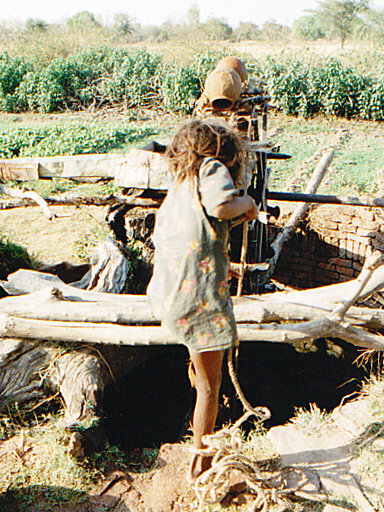
Child labour refers to situations in which children are required to perform work that deprives them of their childhood, potential and dignity, or that is harmful to their physical and mental development. The term is commonly applied to work that interferes with schooling, is hazardous, or is exploitative in nature. International bodies such as the International Labour Organization have developed conventions and guidance to distinguish acceptable forms of light, non-harmful work from exploitative or dangerous labour. In everyday usage the phrase also covers forced labour, trafficking and other forms of severe exploitation.
Image gallery
10 Images




Definitions and distinctions
It is important to separate three related concepts: work that is part of growing up and family life, light or age-appropriate work which can coexist with education, and harmful child labour. The first category includes chores and occasional tasks where the child’s wellbeing and schooling are not compromised (children helping in family businesses or household tasks). The second category can include supervised vocational training or light work in safe conditions. The third category — generally labelled child labour — includes dangerous tasks, long hours, bonded labour or work that exposes children to physical, emotional or sexual abuse. Terms linked to this last category include child soldiers, child prostitution and child pornography.
Scale, sectors and settings
Child labour takes place in many settings and industries. Globally, a large share occurs in agriculture and family-based work, where tasks are less visible to regulators and inspectors. Other important sectors include manufacturing, mining, domestic work, informal services such as shops and restaurants, and various forms of street work. Some high-profile cases involve supply chains in textiles, food production and consumer goods, while the most extreme abuses involve debt bondage, slavery-like conditions and trafficking (textiles, debt bondage, human trafficking). Public attention is often drawn to scandals reported in the mass media or investigative reports (scandals). Cases can be found across regions, not only in low-income countries but also in wealthier states where informal or hidden exploitation occurs (United States, Italy).
Causes and consequences
Poverty is the most frequently cited driver: families under economic stress may rely on additional income from children. Other contributing factors include limited access to affordable education, social norms, weak labour law enforcement, demand for cheap labour in certain industries, and conflict or displacement. Consequences can be long-term: interrupted schooling, chronic ill-health, restricted future employment prospects and exposure to abuse. While sensational images often portray children as modern slaves, most child workers are engaged in agriculture or household work and are working within family units rather than being enslaved (slavery, street children).
Legal frameworks and international response
International law offers standards and tools to address child labour. Conventions and recommendations set minimum ages for employment, regulate hazardous work and promote access to education and social protection. National laws vary, and not all countries have ratified the same treaties; nonetheless, many governments and civil-society organizations collaborate on eradication and mitigation strategies. Typical responses include educational programs, cash transfers or poverty alleviation, legal reform and enforcement, supply-chain auditing, and rehabilitation for victims. Businesses and consumers face increasing pressure to ensure products are free from exploitative child labour through due diligence and ethical sourcing (economic activity, minors).
Historical context and notable facts
Work by children has existed in most societies for centuries and was common before industrialization and continues today in changing forms. Industrialization and global trade made some forms more visible, while modern laws and schooling reduced child labour in many places. Estimates vary, but hundreds of millions of children worldwide are engaged in work; a smaller fraction experience its worst forms, including forced sexual exploitation and armed recruitment. Media exposure of abusive cases has helped spur reforms, yet the majority of child labour remains hidden in agriculture and domestic settings, often within families (industrialisation, South America).
Prevention, remedies and how to help
Reducing harmful child labour involves tackling root causes: poverty reduction, universal schooling, social protection, and stronger labour inspections. Civil society plays a role in case identification, victim support and advocacy, while businesses can address risks in supply chains through transparency and remediation. Consumers can support ethical brands and organizations working on the issue. For readers seeking more information or ways to get involved, official resources and organizations provide guidance and opportunities for support (forced to work, like adults, education, street children, mass media, South America, textiles, slave, children, child pornography, scandals, human trafficking, child prostitution, child soldiers, debt bondage, United States, Italy, ILO, minors, economic activity, industrialisation).
Questions and answers
Q: What is child labour?
A: Child labour is when children are forced to work like adults and take part in an economic activity.
Q: How old do people have to be for the term 'child labour' to apply?
A: According to the ILO International Labour Organization, the term applies to people up to age thirteen, or seventeen in case of dangerous work.
Q: What kind of work can be considered child labour?
A: Work that is mentally, physically, socially or morally dangerous and harmful can be considered child labour. This includes activities such as working in tea stalls, restaurants, hotels and other small shops, or working in huge factories like brick factories.
Q: Why does child labor occur?
A: The main reason why child labor occurs is poverty. Children may be required to work long hours and in humiliating clothing due to their families' financial situation.
Q: How many children are affected by child labor?
A: Estimates suggest that up to 350 million children are affected by child labor worldwide. Eight million of these are affected by the worst forms of it such as being used for human trafficking or debt bondage.
Q: Where does most of this type of work take place?
A: More than three quarters of this type of work takes place in the sector of agriculture or has something to do with activities done at home within a family context.
Q: Did this form of exploitation exist before industrialisation and globalisation?
A: Yes, this form of exploitation existed before industrialisation and globalisation but they have made it more visible.
Related articles
Author
AlegsaOnline.com Child labour: definition, causes, sectors, and global responses Leandro Alegsa
URL: https://en.alegsaonline.com/art/19649
Sources
- data.worldbank.org : Table 2.8, WDI 2005, The World Bank
- childinfo.org : Percentage of children aged 5–14 engaged in child labour
- victorianweb.org : The life of the industrial worker in nineteenth-century England
- ncbi.nlm.nih.gov : The Factory and Workshop Act 1901
- fordham.edu : Basu K. 1999. Child labor: cause, consequence, and cure, with remarks on International Labor Standards. Journal of Economic Literature, 37, pp. 1083-1119.
- unicef.org : "UNICEF State of the World's Children 1997"