
Child soldier
A child soldier is a person under 18 who participates in armed forces or groups. International law, humanitarian organizations and courts address recruitment, protection and reintegration, while definitions and responses differ.
A child soldier is broadly understood as a person under 18 who takes part in or is used by an armed force or group in an armed conflict. Different institutions apply slightly different thresholds and terms, but the concept emphasizes the recruitment and use of children for direct combat and support roles. Major human rights organizations regard all fighters and auxiliaries under 18 as children in need of protection rather than ordinary adult combatants.
Image gallery
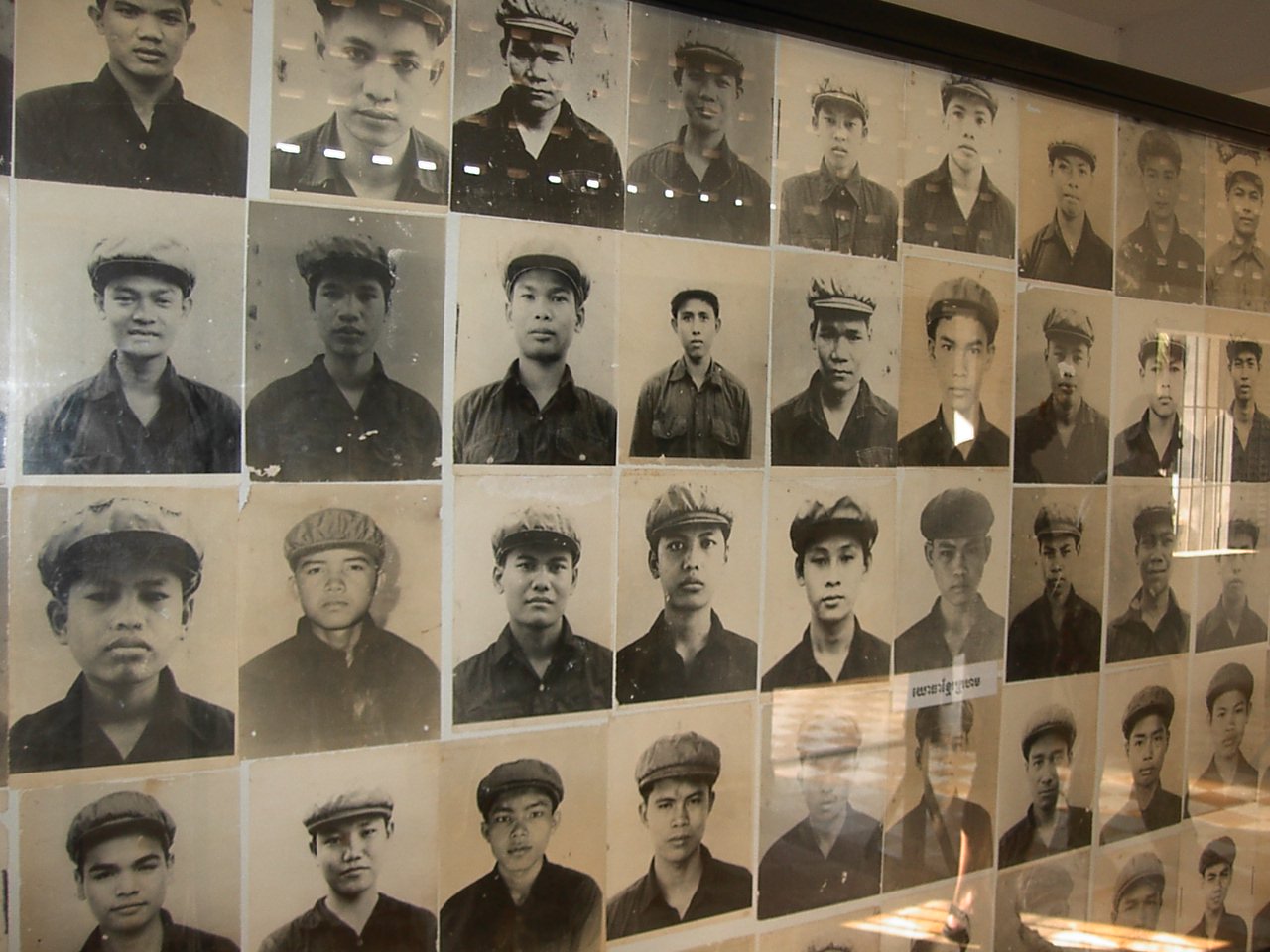
10 Images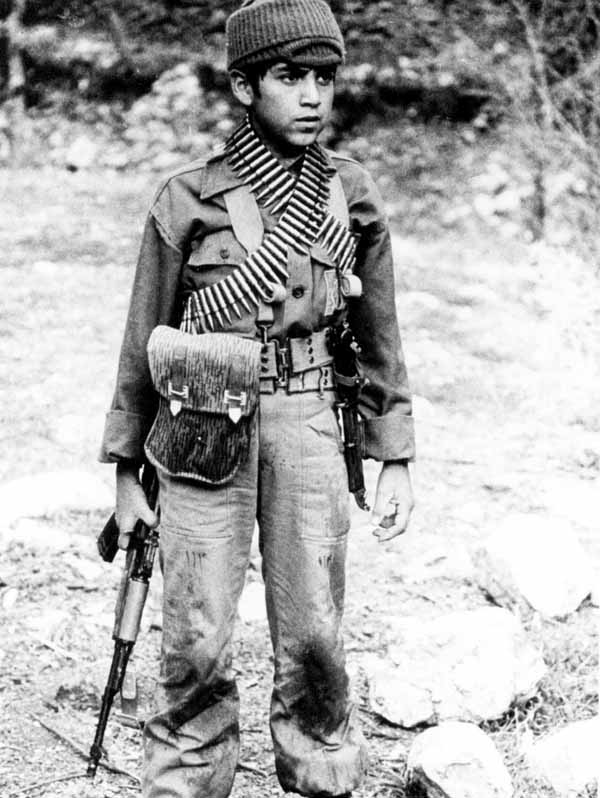



Legal frameworks and classifications
International instruments set boundaries on recruitment and use of children in fighting. The Convention on the Rights of the Child and subsequent instruments establish 18 as the benchmark for childhood in many contexts, while an Optional Protocol limits compulsory recruitment and raises expectations about voluntary enlistment ages. Prominent agencies such as UNICEF and Amnesty International advocate that anyone below 18 involved with armed groups should be treated primarily as a victim requiring protection and assistance.
Legal status can be contested: classifying a young person as a combatant may imply lawful participation in hostilities, whereas humanitarian law requires humane treatment if they are captured and may classify them as prisoners of war under some circumstances, as governed by the Geneva Conventions. The Rome Statute of the International Criminal Court criminalizes the recruitment and use of children under 15 in hostilities and treats it as a war crime.
Roles, recruitment and drivers
Children associated with armed groups perform a wide array of functions. Common roles include:
- Frontline fighters and combatants;
- Lookouts, messengers and spies;
- Porters, cooks and logistical support;
- Forced sexual servitude and domestic tasks;
- Propaganda purposes or as human shields.
Drivers of recruitment vary: forced abduction, economic hardship, protection, ideological persuasion, social pressure and breakdown of family structures are frequently cited. Non-state armed groups and some regular forces have used children because they are more easily controlled, expendable or able to perform tasks adult members cannot.
Consequences and responses
The effects on children can be severe and long-lasting: physical injury, psychological trauma, interruption of education and stigmatization in communities. International responses combine legal measures, advocacy, and practical programs for disarmament, demobilization and reintegration (DDR). These programs aim to reunite children with families, provide medical and mental-health care, education and livelihood support, and to reduce the risk of re-recruitment.
History, notable cases and challenges
The use of children in conflict is an ancient phenomenon, but it gained concentrated international attention in the late 20th century as humanitarian organizations documented widespread recruitment in multiple regions. Efforts to hold recruiters accountable led to landmark prosecutions; for example, individuals have been tried by international courts for enlisting and using child soldiers. Practical challenges persist: differing age thresholds, the difficulty of distinguishing victims from perpetrators, post-conflict stigmas, and limited resources for sustainable reintegration.
Understanding child soldiers requires balancing legal definitions, the rights and protection needs of young people, and the complex social and political drivers of recruitment. Policies aimed at prevention, protection and long-term recovery remain central to reducing the phenomenon and helping affected children rebuild their lives.
Author
AlegsaOnline.com Child soldier Leandro Alegsa
URL: https://en.alegsaonline.com/art/19654
Sources
- en.wikisource.org : Wikisource:Rome Statute of the International Criminal Court#Article 8 - War crimes
- unicef.org : "Impact of Armed Conflict on Children"