
Industrialisation: origins, features, impacts and modern forms
Industrialisation is the historical shift from hand production to machine-based manufacturing, reshaping economies, work, cities and technology across successive waves from the 18th century to today.
Overview
Industrialisation describes the broad transformation by which societies move from predominantly manual, craft-based production to organized, machine-powered manufacturing. It involves adopting machines, new energy sources and production methods that increase the volume, speed and consistency of goods made. This shift changes everyday work, the size and role of towns, patterns of employment, and the way resources are used. For a concise guide to practical processes related to this change see mechanized production.
Image gallery
10 Images





Core characteristics
Several interrelated features define industrialisation:
- Mechanisation and technology: greater reliance on machines and advances in technology that automate tasks previously done by hand.
- Factory system: centralized workplaces where specialized tasks are coordinated; an example of this model is the traditional factory setting.
- Division of labour: the breakdown of production into narrower tasks, increasing efficiency and output; this principle is often called division of labour.
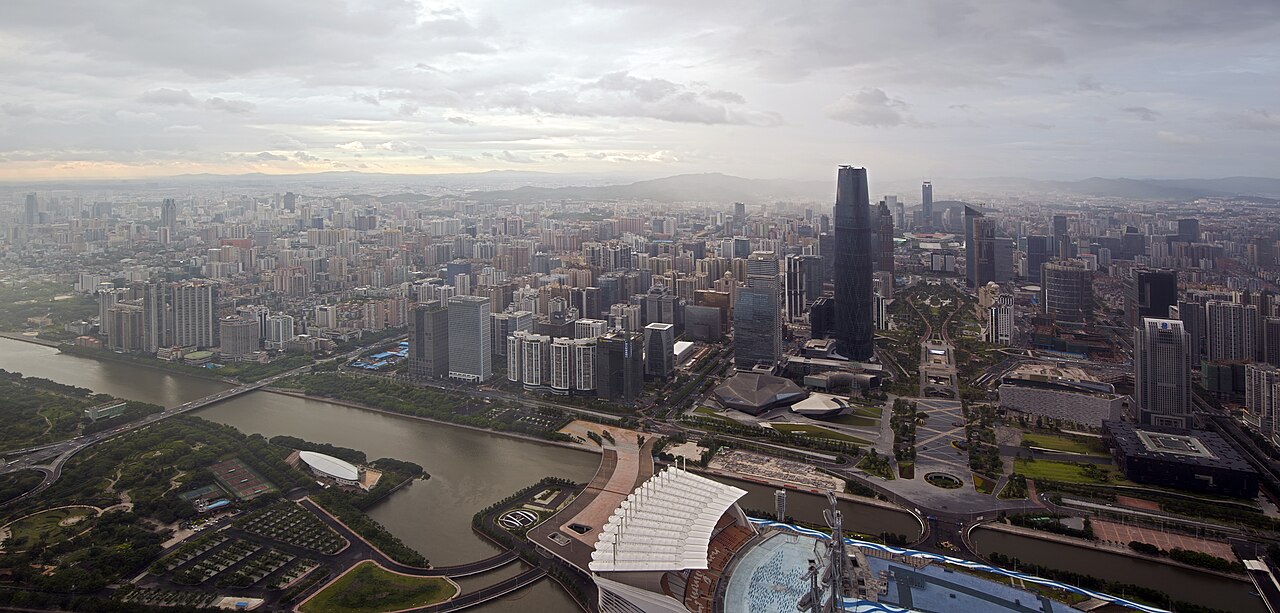
- Urbanisation: migration from rural farming areas to towns and cities in search of factory employment and higher wages; many formerly agricultural workers left farming during early waves.
- Capital and organization: investment in machines and buildings, often by private owners or firms such as a company, which coordinate large-scale production.
Origins and historical development
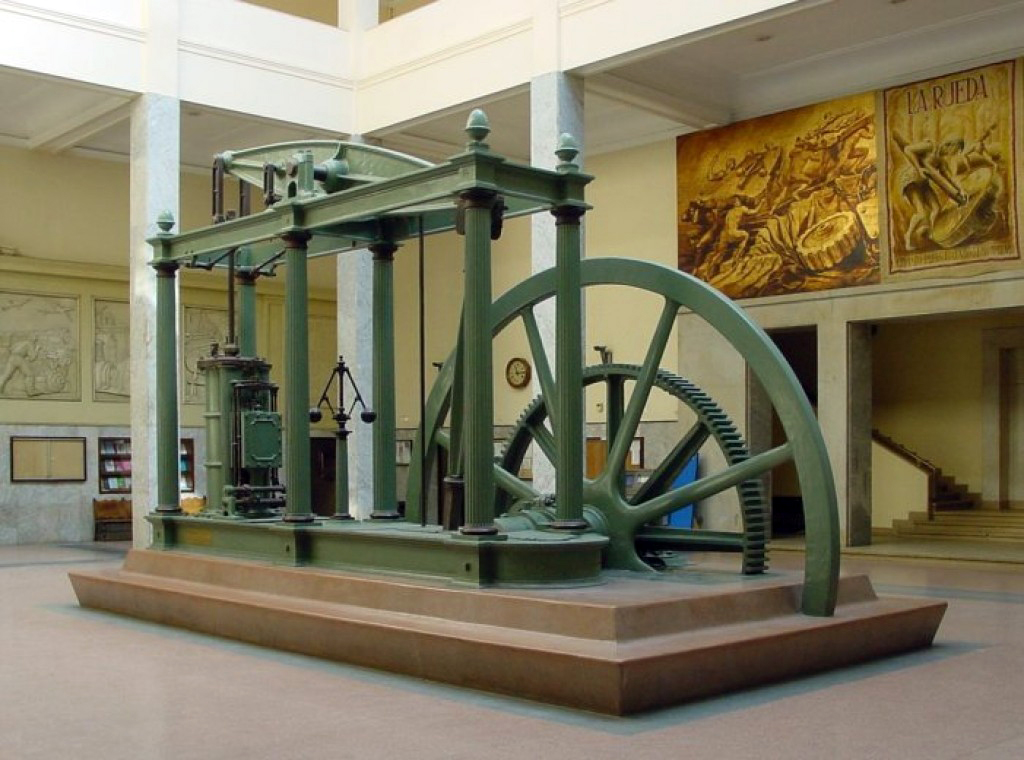
The classic beginning of modern industrialisation is associated with the Industrial Revolution that began in England during the late 18th century. Innovations such as the steam engine, textile machinery and iron production techniques set a pattern that spread through Europe, North America and later to Asia and other regions. Early examples include mechanised textile workshops and the growth of factory towns. Over time, later waves introduced electricity, assembly-line mass production, and, in the 20th and 21st centuries, digital automation and robotics.
Examples and everyday effects
Industrialisation changed how ordinary goods were made and who made them. Craftspeople who once completed whole items were increasingly replaced by production lines where each worker performed a specific task — a shift visible in industries such as industrial shoemaking, textile mills, steelworks and later automobile assembly plants. The result was lower unit costs, greater availability of manufactured goods, and new consumer markets.
Social, economic and environmental impacts
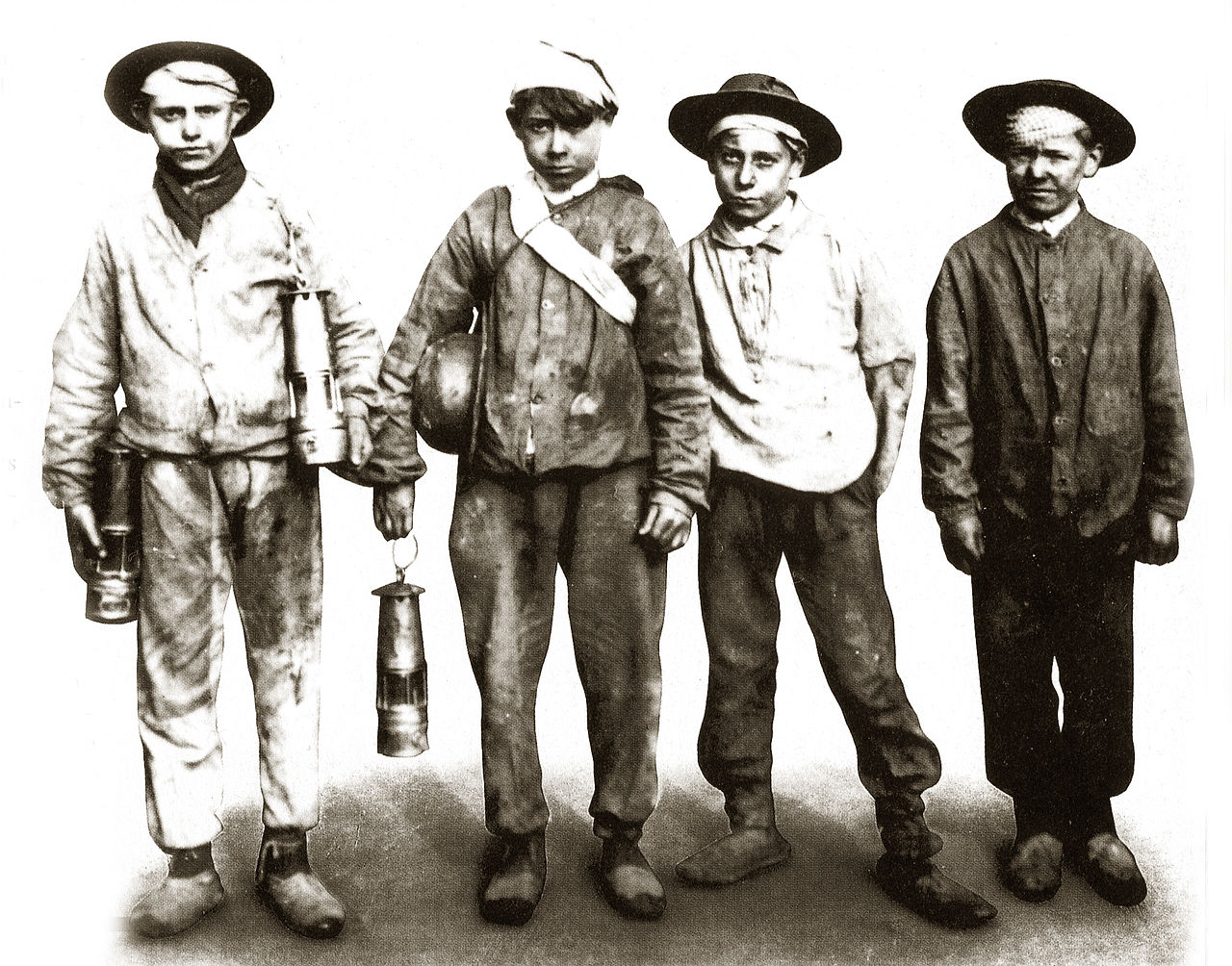
While industrialisation boosted productivity and created new kinds of employment, it also brought significant challenges. Social changes included altered family structures, the rise of wage labor, and labor movements demanding better conditions. Economically, industrial economies grew faster but also required large inputs of raw materials and energy. Environmentally, intensified resource use and pollution became major issues that later prompted regulation and cleaner technologies. Contemporary industrialisation debates therefore balance growth with sustainability and workers' rights.
Variations and modern trends
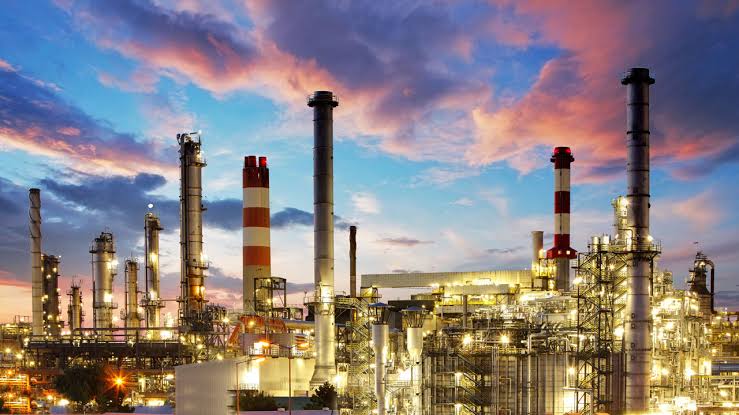
Industrialisation is not a single event but a sequence of changes affecting different countries at different times. Some economies experienced rapid catch-up industrialisation by specializing in particular sectors or adopting foreign technologies. Today, industrial development includes digital manufacturing, automation, and supply-chain integration. Governments and firms frequently seek to combine productive capacity with environmental limits and social protections, a concern that shapes modern industrial policy and planning.
Questions and answers
Q: What is industrialisation?
A: Industrialisation is a process that happens in countries when they start to use machines to do work that was once done by people. It involves adopting easier and cheaper ways to make things, using better technology to produce more goods in a shorter amount of time.
Q: How did industrialisation change towns?
A: Industrialisation caused towns to grow larger as many people left farming to take higher paid jobs in factories in towns.
Q: What is the difference between pre-industrial and post-industrial labour?
A: Before industrialisation, one person would complete an entire task such as making shoes from start to finish. After industrialisation, tasks are divided up among different workers who each have smaller tasks - for example one person cutting the sole of the shoe and another stitching it on.
Q: When did industrialisation begin?
A: Industrialisation began with the industrial revolution in England during the 18th century.
Q: Where did industrialisation spread first?
A: Industrialisation spread first to parts of Europe and North America before spreading throughout most other countries during the 20th century.
Q: Who owns factories after industrialization?
A: Factories may be owned by either a rich individual who can afford the machines or by a company.
Q: What are some examples of special machines used for shoemaking after industrialization?
A: Special machines used for shoemaking after industrialization include cutting machines, sewing machines and other special machines.
Related articles
Author
AlegsaOnline.com Industrialisation: origins, features, impacts and modern forms Leandro Alegsa
URL: https://en.alegsaonline.com/art/47247
Sources
- commons.wikimedia.org : ISBN 978-0-19-922721-1