
Concubinage: historical practice, legal status, and social distinctions
Concubinage refers to a non-marital, often institutionalized relationship in which a woman has fewer legal rights than a wife; historically widespread with varying uses, rules, and social meanings across cultures.
Overview
Concubinage describes a recognized relationship in which a woman lives with and has sexual and domestic ties to a man who is of higher legal or social standing, but the relationship confers fewer rights than a formal marriage. In many historical systems the man maintained an official spouse or spouses while keeping one or more concubines. For a concise legal perspective see the legal definition commonly cited in comparative studies.
Image gallery
10 Images


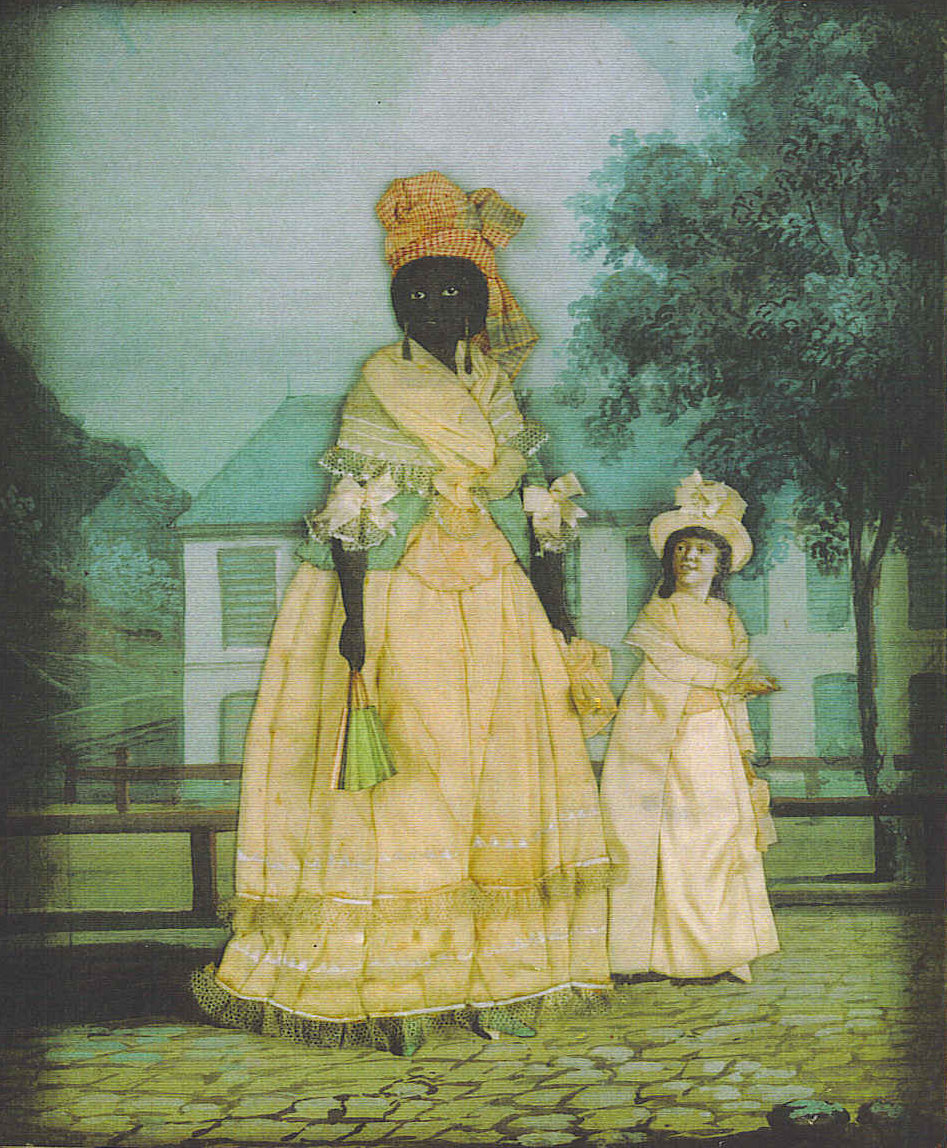
Key characteristics
- Limited legal rights: Concubines often received support or maintenance but lacked inheritance rights or full spousal status.
- Children's status: Offspring of concubines were frequently assigned lower social or legal standing than children born to principal wives.
- Social acceptance: In some societies concubinage was institutionalized and socially accepted; in others it was morally contested or regulated differently.
Historical development
Forms of concubinage appear in many historical cultures, from ancient Near Eastern and East Asian societies to parts of Africa and the Mediterranean. Motivations ranged from alliance-building and household labor to securing heirs. Families sometimes viewed such arrangements as a practical route to economic security for unmarried women. At the same time, scholars note that concubinage could overlap with coercive practices; discussions of sexual coercion or bondage appear in contexts where one party had markedly less freedom—see historical examinations of sexual slavery for related analysis.
Uses, examples, and social roles
Concubines could serve multiple roles: companions, caregivers, or mothers of secondary heirs. In dynastic contexts, palace concubines sometimes wielded political influence through kinship networks. Everyday households that were not imperial also used concubinage to manage labor, succession, or economic ties. Because circumstances varied so widely, individual experiences of concubinage ranged from negotiated partnerships to exploitative arrangements.
Legal status and distinctions
Modern legal systems differ sharply. In many contemporary Western jurisdictions, law recognizes only monogamous marriage and offers little formal status for concubines; extramarital partners are commonly described as mistresses in social discourse. Nonetheless, some legal systems or customary courts elsewhere still recognize long-term nonmarital unions and grant limited rights to cohabiting partners. Scholars emphasize the distinction between a concubine as an institutionally recognized secondary partner and a mistress, which implies a primarily private or extramarital relationship without legal recognition.
Notable facts and contemporary relevance
While formal concubinage has declined in many places, related issues—such as the legal protection of cohabiting partners, inheritance for children born outside marriage, and the gendered power dynamics in intimate relationships—remain subjects of legal reform and social debate. Understanding the historical institution of concubinage helps clarify how societies have organized family, status, and sexual relations across time and cultures.
Questions and answers
Q: What is concubinage?
A: Concubinage is a type of relationship in which a woman is involved with a man who has a higher social status than her own, but she has less rights than in a marriage.
Q: What is the difference between a concubine and a mistress?
A: Concubines have limited rights of support from the man and their children have lower status than children born by the official wife or wives. These legal rights distinguish a concubine from a mistress.
Q: What was the reason why the family of a girl was in favour of a concubinage with a mighty man?
A: Historically, the family of a girl were in favour of a concubinage with a mighty man, as it meant economic security for the woman.
Q: What is the disadvantage of being a concubine?
A: The disadvantage of being a concubine is that it could also mean sexual slavery of one member of the relationship, typically the woman, who was a pleasure slave to the man.
Q: Is concubinage legal in the Western world?
A: No, concubinage is not legal in the Western world, as only monogamous marriages are allowed. Any other relationship does not enjoy legal protection, and the woman is necessarily a mistress.
Q: Who has an official wife and one or more concubines in most cases?
A: In most cases, men have an official wife and one or more concubines.
Q: Why do concubines have less rights than wives?
A: Concubines have less rights than wives because they are not legally recognized as wives and do not enjoy the same legal protections or social status.
Related articles
Author
AlegsaOnline.com Concubinage: historical practice, legal status, and social distinctions Leandro Alegsa
URL: https://en.alegsaonline.com/art/22416
Sources
- en.wiktionary.org : concubine
- login.findlaw.com : Rosales v. Battle (2003) 113 Cal.App.4th 1178