
Scandal: definition, causes, history and social effects
A scandal is a widely publicized allegation of wrongdoing or moral offense. This article explains what scandals are, their common features, notable examples, and how they shape law, politics and public life.
A scandal is a public episode in which allegations of wrongdoing, impropriety, or moral offense become the focus of attention. Scandals can concern private individuals, public officials, corporations, religious institutions, or cultural organizations. They may be based on accurate facts, false claims, or a mixture of both; what unites them is a breach of public expectation that attracts sustained scrutiny and debate.
Image gallery
2 Images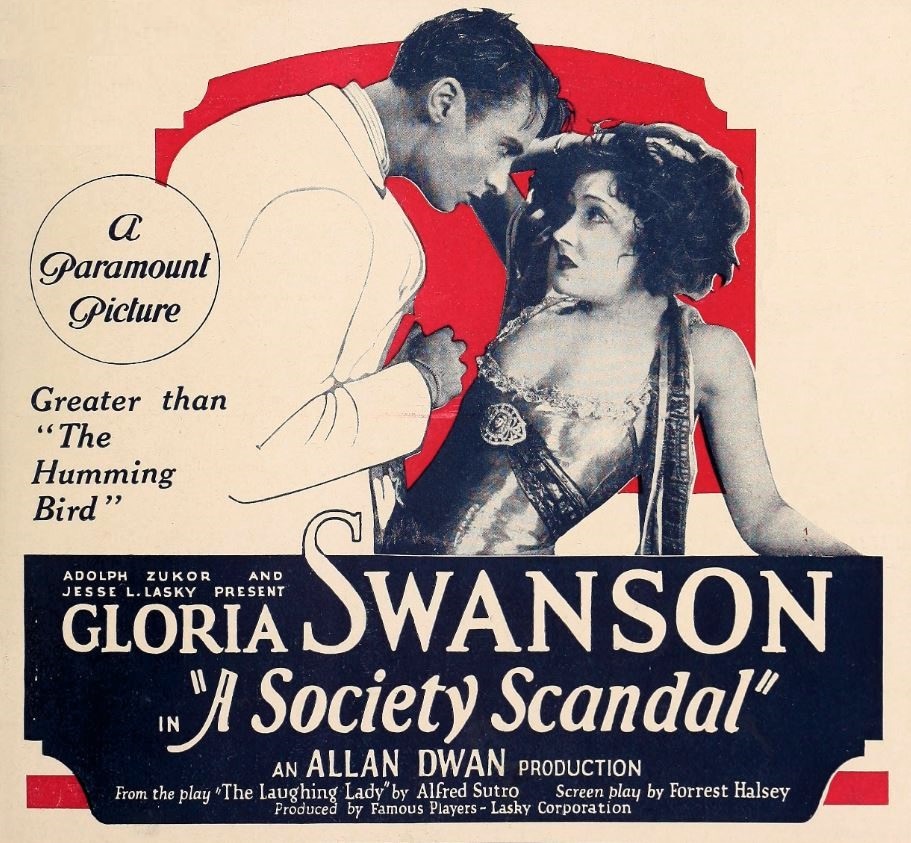

Characteristics and common elements
Although scandals vary greatly in scale and consequence, many share a set of recognizable features:
- Allegation: a specific claim of misconduct, corruption, or moral failure that can be factual, mistaken, or deliberately fabricated.
- Exposure: the revelation of information that had been hidden, leaked, or overlooked, often by whistleblowers or investigative journalists.
- Public reaction: media coverage, public discussion, and political pressure that amplify the issue beyond its original confines.
- Institutional response: inquiries, legal proceedings, resignations, or reforms intended to address the allegations.
History and notable examples
Scandals have affected societies throughout history, shaping public institutions and law. Modern democratic politics in particular produces highly visible scandals because of a free press and legal accountability. Well-known twentieth-century examples include Watergate, the complex of revelations in the early 1970s that led to extensive investigations and the resignation of President Richard Nixon. Other episodes associated with administrations—such as controversies during the Grant administration in the 19th century or the Iran–Contra revelations in the 1980s—illustrate how executive policy, covert actions, and financial irregularities can generate prolonged public inquiry.
Mechanisms, actors and consequences
Key actors in scandal dynamics include whistleblowers who disclose information, journalists who investigate and publicize it, legal authorities who evaluate evidence, and audiences whose reactions shape political outcomes. In recent decades social media has accelerated dissemination and public engagement, sometimes creating rapid cycles of accusation and response. Consequences vary: individuals may lose jobs or reputations, institutions can face legal penalties or reform, and public trust may erode—prompting regulatory or cultural changes.
Distinctions and notable points
- True vs. false allegations: Not all scandals rest on verified wrongdoing; false accusations can cause grave harm and may themselves become the subject of legal action.
- Cover-ups: Attempts to hide misconduct often worsen public reaction and can create a secondary scandal focused on deception rather than the original conduct.
- Cultural variation: What counts as scandalous differs by culture, legal system, and historical period; norms about privacy, propriety, and conflict of interest change over time.
- Role of transparency: Strong investigative institutions and transparent processes tend to limit the long-term corrosive effects of scandals by resolving uncertainty and assigning responsibility.
Understanding scandal involves both factual inquiry and interpretation: separating verified facts from rumor, assessing motives, and considering the broader political and social context. For further reading on moral and legal dimensions, see discussions of moral offense and historical case studies such as Watergate and the controversies surrounding individual leaders. Contextual studies of earlier administrations can be found in accounts of the Grant era and twentieth-century diplomatic controversies like Iran–Contra, which illustrate how scandal intersects with governance, law, and public trust.
Related articles
Author
AlegsaOnline.com Scandal: definition, causes, history and social effects Leandro Alegsa
URL: https://en.alegsaonline.com/art/87760