
Child prostitution: definition, causes, legal framework and responses
Overview of child prostitution: what it is, how it occurs, international law, causes and consequences, and approaches to prevention and recovery for affected children.
Child prostitution refers to the involvement of children in sexual activities in exchange for money, goods, or other benefits. It is widely recognized not as a consensual occupation but as a form of sexual exploitation and abuse. The term intersects with broader categories such as commercial sexual exploitation of children and child sex trafficking; it also overlaps with other crimes like child pornography and forced labor. For related general definitions see prostitution and resources about children.
Image gallery
4 Images
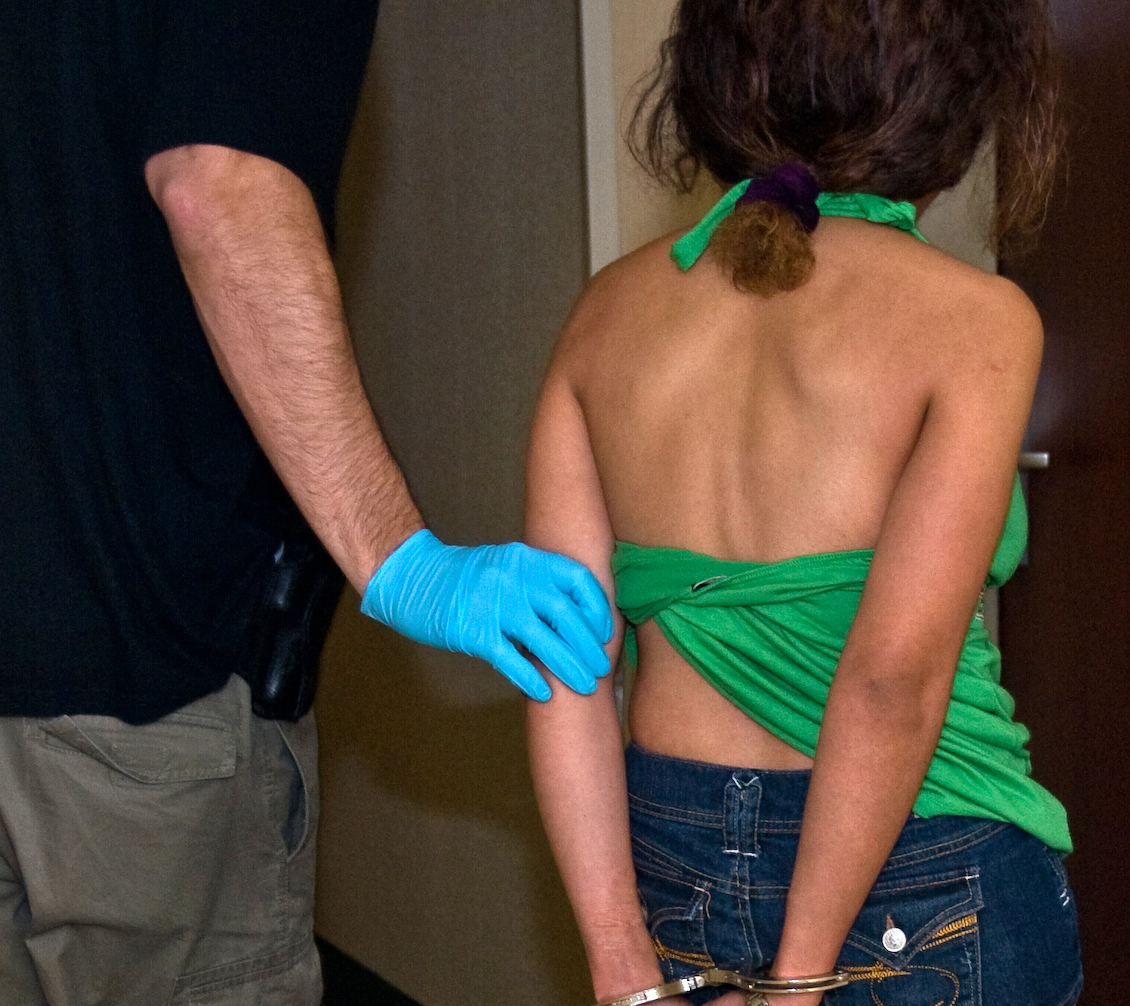

How it appears in practice
The practice takes multiple forms. In some situations a child receives money directly, while in others the child is given goods, food, shelter, toys or drugs rather than cash. Many children are coerced, manipulated or transported by adults who profit from the abuse rather than the child. Those who control or exploit children may be described as pimps or exploiters, or as direct abusers. The sexual acts involved are often recorded or photographed, creating links to child pornography, and can be part of patterns of trafficking for sexual purposes.
Common forms and settings
- Street-based exploitation and informal arrangements where payment is exchanged; compare the concept of payment and the nature of the sexual acts involved.
- In-kind exchanges, where the child receives goods rather than cash (non-monetary payment).
- Situations of coercion, force or deception in private homes, workplaces, commercial establishments or online.
- Cross-border or domestic trafficking networks that move children into exploitative sexual situations.
Because children cannot legally give informed consent to sexual activity with adults, most jurisdictions treat these acts as crimes and view the child primarily as a victim entitled to protection and services.
Legal recognition and international instruments
International law and human rights bodies describe the use, procurement or offering of a child for prostitution as among the most serious abuses. The International Labour Organization's Worst Forms of Child Labour Convention and related instruments require states to eliminate and prevent the exploitation of children in commercial sexual activities; see the ILO resource at ILO Convention No. 182 and an overview link at convention documents. National laws vary, but there is broad consensus that protective, criminal and rehabilitative measures are necessary.
Causes, impacts and responses
Child prostitution is driven by a mix of poverty, social exclusion, family breakdown, discrimination, armed conflict and demand from adults. The immediate and long-term harms include physical injury, sexually transmitted infections, psychological trauma, disrupted development and social stigma. Effective responses combine law enforcement with child protection, prevention through education and economic support, and trauma-informed care to help survivors recover and reintegrate.
Distinctions and notable facts
It is important to distinguish child prostitution from adult consensual sex work: children are regarded legally and ethically as victims, not as empowered participants. Efforts to address the problem emphasize prevention, prosecution of exploiters, and services for children rather than punitive measures against victims. International cooperation, child-centered policies and community-based prevention remain central to reducing the incidence and impact of this form of exploitation.
For further materials and practical guidance, advocacy organizations and international agencies provide resources and assistance; readers seeking specialized guidance should consult official sources and child protection professionals.
Questions and answers
Q: What is child prostitution?
A: Child prostitution is the act of paying children for sex acts, or exchanging other things such as toys in exchange for having sex. In some cases, the child may not be paid at all and is being forced into prostitution by an abuser.
Q: Who makes money from child prostitution?
A: It is usually not the child who makes money from the prostitution, but another person such as a pimp or someone who directly abuses the child. This person will make a deal directly with the child to get sexual gratification.
Q: What does The Worst Forms of Child Labour Convention say about child prostitution?
A: The Worst Forms of Child Labour Convention states that countries that have signed it must get rid of child prostitution as soon as possible. It also states that using, procuring or offering a child for prostitution is one of the worst forms of child labor.
Q: How has this convention been received?
A: The convention has had one of the fastest rates of ratifications in International Labour Organization's history since 1919.
Q: Is there any connection between CSEC and trafficking children for sexual purposes?
A: Yes, there can be a connection between commercial sexual exploitation of children (CSEC) and trafficking children for sexual purposes.
Q: Does Child Sex Tourism fall within this category too?
A: Yes, Child Sex Tourism also falls within this category too.
Author
AlegsaOnline.com Child prostitution: definition, causes, legal framework and responses Leandro Alegsa
URL: https://en.alegsaonline.com/art/19652
Sources
- bookrags.com : "Child Abuse Summary"
- sp2.upenn.edu : Commercial Sexual Exploitation of Children in the U.S. Canada and Mexico
- unicri.it : United Nations Crime and Justice Research Inst. - COSTA RICA - THAILAND - UKRAINE
- ilo.org : cover inside_proof3
- bbc.co.uk : BBC Politics 97
- scoop.co.nz : Scoop: Under Age Prostitution
- ecpat-usa.org : ecpat-usa.org
- books.google.com : Policing Pleasure: Sex Work, Policy, and the State in Global Perspective
- books.google.com : Forced Labor: The Prostitution of Children: Symposium Proceedings
- www1.folha.uol.com.br : No Rio, crianças se prostitutem por R$ 2