
Chat (everyday conversation and online messaging)
Chat refers to informal spoken or written conversation and to real-time online messaging; it covers face-to-face banter, chat rooms, instant messaging platforms and tools that connect people quickly and casually.
Overview
Chat denotes informal, usually light conversation about ordinary topics. In everyday speech it covers the casual back-and-forth of friends, family or colleagues. With the rise of digital networks the word also describes real‑time, text‑based exchanges between people over the Internet.
Image gallery
3 Images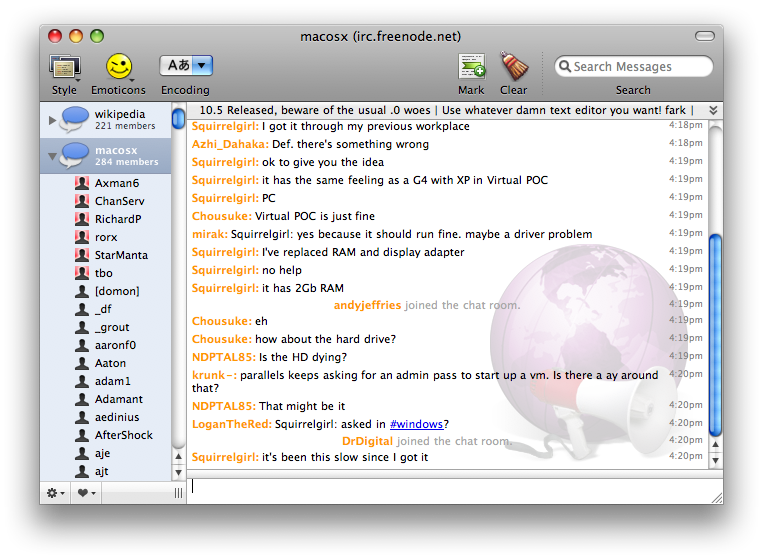
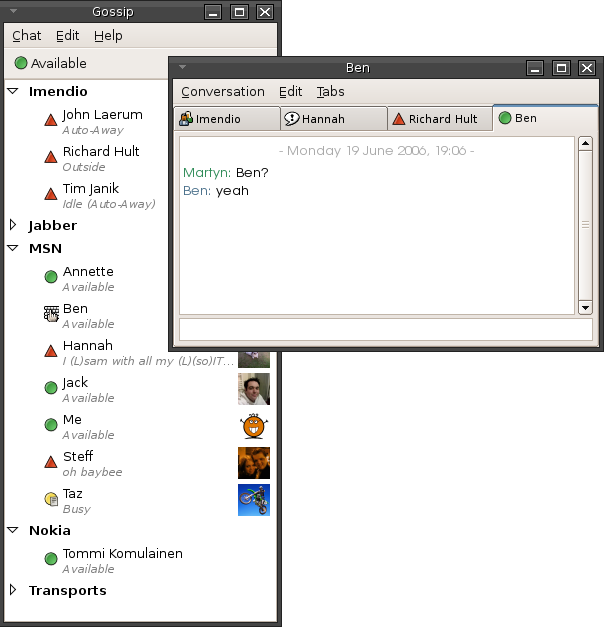

Characteristics and forms
Chats are typically spontaneous, brief and low‑commitment. They can be one‑to‑one or one‑to‑many, synchronous (real time) or near‑instant. Common digital forms include chat rooms and group channels, direct instant messages, short threads in social apps, and embedded chat widgets on websites. Many services combine text with emojis, images and file sharing to enrich the exchange.
History and development
Human chat predates technology, but online chat emerged as networks allowed multiple users to exchange short messages instantly. Early online communities used shared spaces known as chat rooms and simple messaging protocols. Over time, specialized messaging services and mobile apps became dominant, shifting many conversations away from email and phone calls.
Platforms and tools
Popular historical desktop and web services included AOL Instant Messenger, Yahoo Messenger and Windows Live Messenger, while large ecosystems in some regions grew around services such as Tencent QQ. Users often choose multi‑protocol clients such as Pidgin or modern unified apps that connect several accounts at once.
Uses and importance
Chat serves many roles: coordinating work, maintaining social ties, customer support, and real‑time collaboration. For businesses, chat features speed decision making and power help desks and sales bots; for individuals they provide immediacy and a relaxed way to share news and plan activities.
Distinctions and notable facts
- Chat differs from formal communication by tone and intent: it is usually informal and ephemeral.
- Moderation and privacy are recurring concerns in public chats and group channels.
- Many modern systems blend chat with audio, video and persistent group history, narrowing the line between synchronous and asynchronous interaction.
Related articles
Author
AlegsaOnline.com Chat (everyday conversation and online messaging) Leandro Alegsa
URL: https://en.alegsaonline.com/art/18928