
Windows Live Messenger (formerly MSN Messenger)
Former Microsoft instant-messaging client, originally MSN Messenger and later Windows Live Messenger; known for chat, presence, file transfer and early voice/video; later phased out in favor of Skype.
Overview
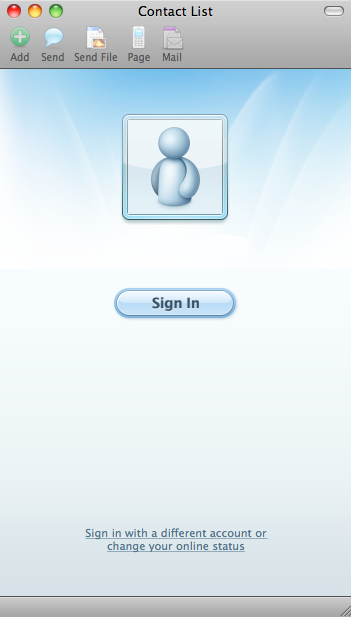
Windows Live Messenger was a consumer instant messaging client from Microsoft that began life as MSN Messenger and was later rebranded under the Windows Live family. It provided real‑time text chat, presence (online/offline) indicators, and a contact-based "buddy list" interface typical of instant messaging services. The service tied accounts to a Microsoft identity and integrated with other Microsoft web services and email.
Image gallery
8 Images




Key features and components
- Text chat, personal status messages, display pictures and custom emoticons.
- File transfer and offline messaging to send files or messages when contacts were unavailable.
- Multimedia options added over time, including voice and video calling, and webcam support.
- Third‑party extensions, group chat, games and social features that connected to other Microsoft services.
- Clients for desktop and mobile platforms and occasional separate editions such as Mac or web integrations.
History and development
The platform began as MSN Messenger, introduced by Microsoft in the late 1990s as one of the first widely used consumer chat programs. Through the 2000s it evolved with regular updates that added multimedia, richer presence, and tighter integration with Microsoft accounts and Hotmail/Windows Live services. As consumer messaging habits changed, many features were absorbed or overlapped with social networks and later unified communications products.
Retirement and migration
In the early 2010s Microsoft consolidated its communications strategy after acquiring other voice and video technologies. The company announced a transition away from the standalone Messenger service in favor of a single platform, Skype. The migration gradually redirected users to the unified client; however, regional arrangements meant the service persisted for a time in some markets, notably parts of China, before global retirement.
Uses, impact and legacy
Windows Live Messenger was important as an accessible consumer chat environment and influenced conventions still seen in modern messaging apps—presence indicators, persistent contact lists, emoticons and simple file exchanges. It also fostered a culture of informal online communication with features such as nudges and personalized display pictures. Although the original client is no longer active worldwide, its ideas and many user expectations continue in current messaging services.
Notable distinctions
Unlike some later unified communication platforms that combined business and consumer features, Messenger focused on consumer-oriented interactions, ease of use and playful features. Its replacement by Skype reflected a shift toward integrated voice/video calling and cross‑platform connectivity rather than only text‑based presence and chat.
Related articles
Author
AlegsaOnline.com Windows Live Messenger (formerly MSN Messenger) Leandro Alegsa
URL: https://en.alegsaonline.com/art/108517