
Chechen language
A Nakh language of the Northeast Caucasian family spoken mainly in Chechnya and diaspora communities; notable for a rich consonant system, ergative alignment, and a Cyrillic-based alphabet.
The Chechen language is a member of the Nakh branch of the Northeast Caucasian languages, spoken primarily by Chechen people in the North Caucasus and abroad. Estimates place the number of speakers at around 1.3 million. Chechen serves as an important marker of ethnic identity and is used in daily life, education, media and literature within Chechen communities.
Image gallery
7 Images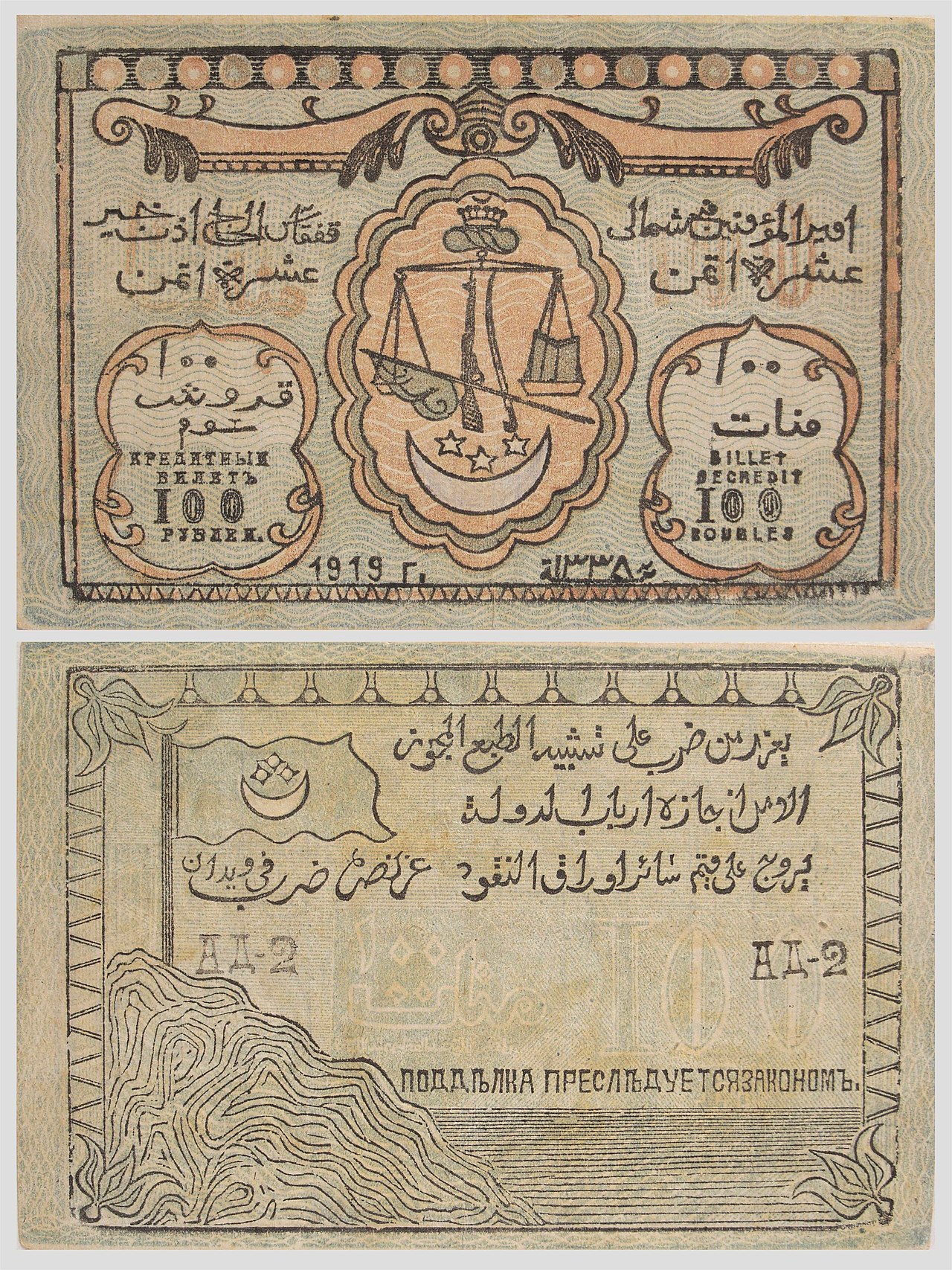




Classification and distribution
Chechen is closely related to Ingush; together they form the core of the Nakh subfamily. Most speakers live in the Chechen Republic; many others belong to diaspora communities across Russia, Europe, the Middle East and Central Asia. The language coexists with Russian and has been influenced by neighboring Turkic and Indo-European languages through centuries of contact.
Linguistic characteristics
Chechen is known for a complex phonological system with a large inventory of consonants, including uvulars and ejective-like sounds common in the Caucasus. Grammatically it exhibits an ergative alignment in parts of its case system and tends toward subject–object–verb (SOV) order. Morphology is richly inflected: nouns show a range of cases and possessive constructions, while verbs encode aspect, direction and agreement.
Writing systems and history
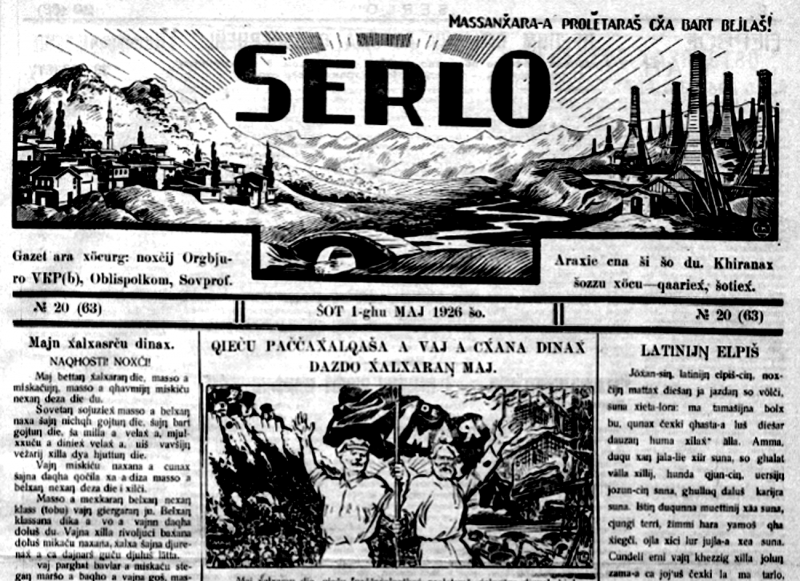
Historically Chechen was written with different scripts at various times, including adaptations of the Arabic script and later Latin and Cyrillic alphabets during the 20th century. Today a Cyrillic-based orthography with additional letters to represent language-specific sounds is the official script used in education and publishing. Literary activity, folklore, and modern media help sustain and standardize written Chechen.
Usage, education and media
Chechen is taught in schools in the Chechen Republic and appears in regional broadcasting, print and online outlets. Community institutions and cultural organizations in the diaspora also promote language learning and cultural transmission. Bilingualism with Russian is common, especially among younger speakers and in urban areas.
Notable distinctions
- Part of the Northeast Caucasian family rather than Turkic or Indo-European groups.
- Strong dialectal variation but mutual intelligibility across major varieties.
- Continues to adapt orthography and educational practices to support vitality.
For more information about the region where Chechen is predominantly spoken, see Chechnya.
Related articles
Author
AlegsaOnline.com Chechen language Leandro Alegsa
URL: https://en.alegsaonline.com/art/19085