
Chatterbot (Chatbot): Overview, History, Design, and Uses
A chatterbot (chatbot) is a program that converses in natural language. This article explains origins, technical approaches, applications, evaluation, and notable examples such as ELIZA and the Loebner Prize.
A chatterbot, commonly called a chatbot, is a computer program that accepts input in a human language and produces conversational responses. Chatterbots range from simple scripted agents to systems powered by large statistical or neural models. They are designed to simulate human-like dialogue for tasks such as information retrieval, customer support, tutoring, or entertainment.
Image gallery
3 Images

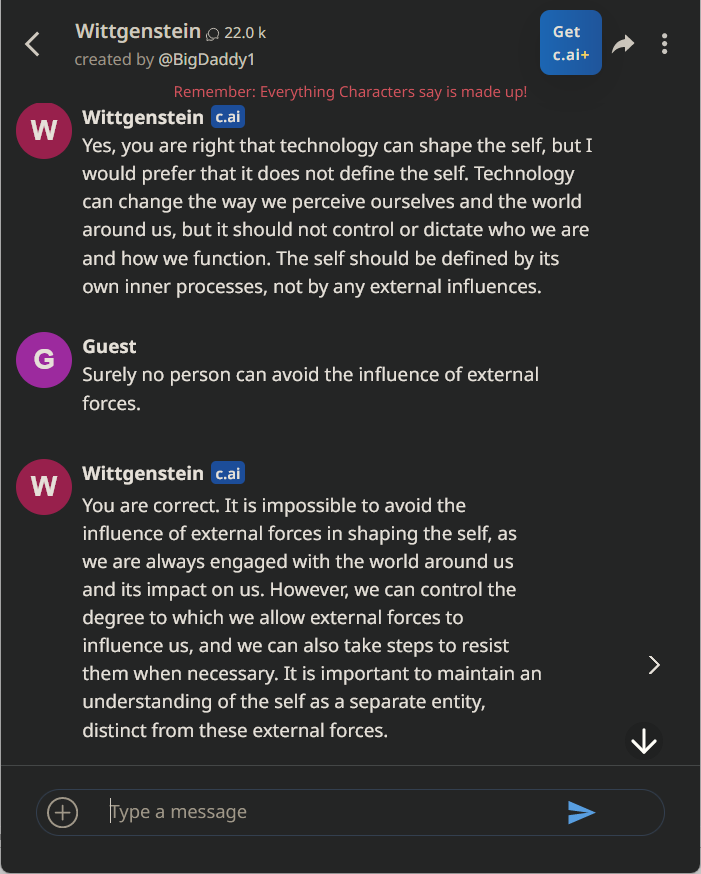
Origins and historical examples
Early experiments in conversational programs demonstrated how pattern matching and scripted responses could give the impression of understanding. A landmark example is ELIZA, which used simple decomposition rules to imitate a therapist and revealed how surface-level conversational tricks can influence user perception. Subsequent systems like PARRY and ALICE expanded techniques and conversational domains. Each year a competition known as the Loebner Prize awards conversational agents judged by how closely they imitate human interlocutors.
Design approaches and characteristics
- Rule-based / pattern matching: deterministic responses driven by templates or AIML-style rules.
- Retrieval-based: select a response from a database using similarity metrics.
- Generative / neural: create novel responses using statistical or neural language models.
- Hybrid: combine multiple methods and external knowledge sources.
Applications, evaluation, and limits
Chatterbots are widely used for help desks, virtual assistants, language practice, and social interaction. Evaluation considers fluency, relevance, safety and whether the agent truly understands or only simulates understanding. Work on robust dialogue management, context tracking and safe behavior continues as systems grow more capable.
Language and standards
Because they operate in natural language, chatterbots must handle ambiguity, slang, and cultural context. Designers must balance responsiveness with transparency about limitations and maintain ethical safeguards when bots influence decisions or handle personal data.
For further technical overviews and examples, see introductions to conversational AI and resources that survey both classic rule-based systems and modern neural approaches.
Related articles
Author
AlegsaOnline.com Chatterbot (Chatbot): Overview, History, Design, and Uses Leandro Alegsa
URL: https://en.alegsaonline.com/art/19017
Sources
- oxforddictionaries.com : "definition of chatterbot from Oxford Dictionaries Online"