
Chinese characters (Hanzi, Kanji): origin, structure, and cultural role
Logographic characters used to write Chinese and other East Asian languages; overview of history, structure (radicals and strokes), scripts, uses, and cultural importance.
Overview
Chinese characters are written symbols used to write the Chinese and Japanese languages, and historically appeared in other languages of East Asia. In Chinese they are generally called hanzi (汉字/漢字); in Japanese they are known as kanji. The system differs from purely alphabetic or syllabic scripts because each character usually corresponds to a meaningful unit rather than a single phoneme.
Image gallery
10 Images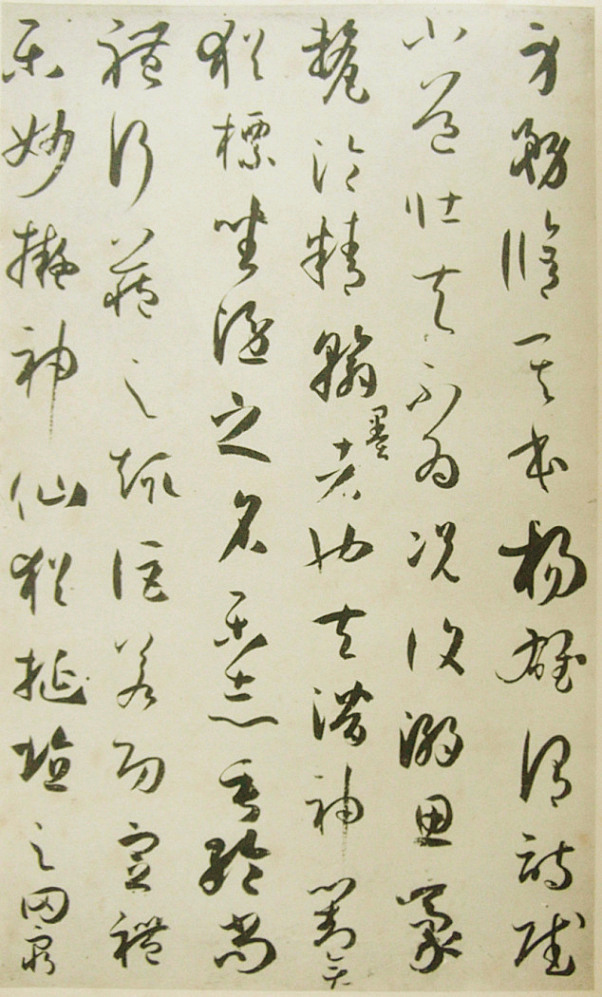




Origins and historical development
Evidence of early Chinese characters appears on archaeological artifacts dating back several millennia, which is why they are often cited among the world's oldest writing systems still in use. Over time the forms evolved through distinct scripts and styles. Though today Chinese characters are most closely associated with Chinese and Japanese, they were once adopted in writing systems of other peoples, including early uses in Korean and Vietnamese.
Structure and principles
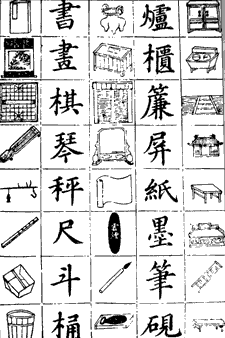
Characters are composed from strokes and components called radicals. Many characters are semantic‑phonetic compounds: one part suggests meaning, the other gives a cue to pronunciation. This morphological basis makes the set both logographic and morphosyllabic, a feature shared across several East Asian writing traditions. Learning characters therefore involves mastering stroke order, common radicals, and how components combine.
Forms, standards, and regional variants
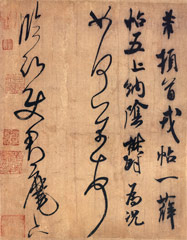
Through history, character shapes have passed through seal, clerical, cursive and regular styles; these styles affect how characters are written in calligraphy and print. In modern times there are divergent standards: for example, Japan uses a set of characters and simplified forms known as kanji, while Korean scholars historically used hanja for literary and scholarly texts. Mainland China and other regions have also introduced simplified forms, while many communities continue to use traditional character shapes.
Uses, cultural importance and notable facts
Chinese characters play a central role in literature, education, signage and art. The discipline of writing characters by brush is the classical art of calligraphy, an important facet of Chinese culture. Although a complete corpus contains many thousands of characters, everyday literacy typically requires recognition of a more limited set. Modern computing represents these characters in standards such as Unicode, enabling their use across digital platforms.
Practical considerations
- Learning: emphasis on radicals, stroke order and high‑frequency characters.
- Variation: traditional vs simplified forms affect reading across regions.
- Recognition: dictionaries and indexing rely on radicals, stroke counts, or phonetic systems for lookup.
For further introductory resources see general overviews on history, structure and contemporary usage: about the characters, how they write, Chinese language context, Japanese use, historical spread, Korean history, Vietnamese history, ancient origins, kanji details, hanja details, East Asian connections, cultural role, and calligraphy.
Questions and answers
Q: What are Chinese characters?
A: Chinese characters are symbols used to write the Chinese and Japanese languages.
Q: How long have Chinese characters been used?
A: Chinese characters have been used for at least 3000 years, making them one of the oldest writing systems in the world that is still used today.
Q: What are Chinese characters called in Chinese and Japanese?
A: In Chinese, Chinese characters are called hanzi (汉字/漢字), which means "Han character". In Japanese, they are called kanji.
Q: What are Chinese characters called in Korean and Vietnamese?
A: In Korean, Chinese characters are called hanja. In Vietnamese, they are called chữ Hán.
Q: Is calligraphy an important part of East Asian culture?
A: Yes, calligraphy is an important part of East Asian culture.
Q: What is calligraphy?
A: Calligraphy is the art of writing Chinese characters.
Q: Besides Chinese and Japanese, which other languages used Chinese characters in the past?
A: In the past, other languages like Korean and Vietnamese also used Chinese characters.
Related articles
Author
AlegsaOnline.com Chinese characters (Hanzi, Kanji): origin, structure, and cultural role Leandro Alegsa
URL: https://en.alegsaonline.com/art/19753
Sources
- fluentinmandarin.com : "How many Chinese characters do you need to know?"