
Che (Cyrillic letter Ч)
Che (Ч, ч) is a Cyrillic letter representing a voiceless postalveolar affricate like English “ch”. Used across Slavic languages with several transliteration conventions and a long script history.
Che is the name of the Cyrillic letter written as uppercase Ч and lowercase ч. Its typical sound value is the voiceless postalveolar affricate, similar to the English consonant cluster "ch" in chair. The letter appears in the alphabets of many Slavic and non‑Slavic languages that use Cyrillic and serves to represent a single phoneme rather than a consonant sequence.
Image gallery
1 Image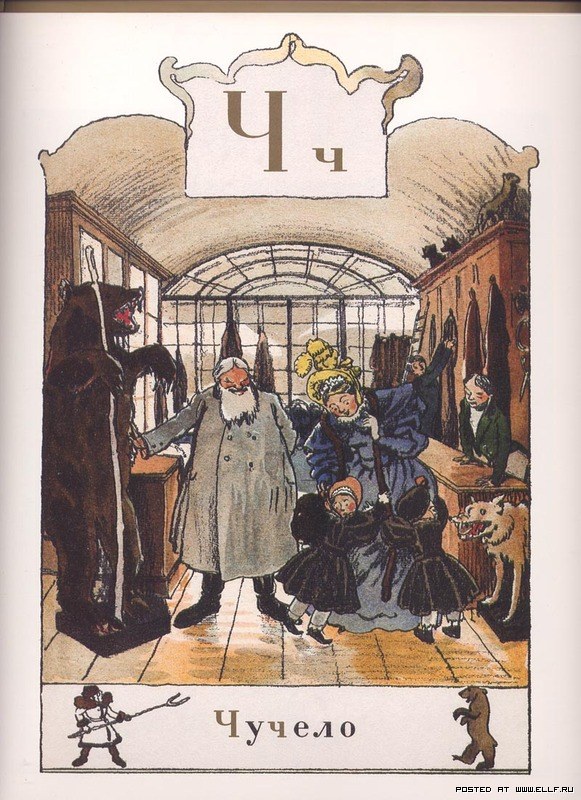
Characteristics
- Forms: capital Ч and small ч, with a consistent shape across most Cyrillic‑based typefaces.
- Pronunciation: generally /tʃ/ (as in English "ch"); in some languages and dialects the exact articulation may be slightly palatalized.
- Function: represents one affricate phoneme and contrasts with letters for sh sounds such as Ш and Щ.
In transliteration and romanization systems the letter is handled in a few standard ways. Scholarly and many international systems render it as č (c with caron). English‑oriented transliteration commonly uses ch, while French conventions sometimes prefer tch.
History and origin
Che arose with the creation and spread of the Cyrillic script in the medieval period, when scribes adapted earlier Glagolitic and Greek models to write Slavic languages. As alphabets developed regionally, the letter retained its role representing the affricate sound in Old Church Slavonic and later national orthographies.
Use and examples
The letter appears in Russian, Ukrainian, Bulgarian, Serbian, Macedonian and several other languages. Examples include Russian чай (transliterated often as "chai", meaning tea) and человек ("chelovek", person). In Serbian and Croatian (when written in Cyrillic), similar words use the same letter to mark the affricate.
Distinctions to note: Ч is not interchangeable with Ш (which denotes a fricative /ʃ/) or Щ (which in some languages represents a longer or palatalized sequence). Romanization choices vary by audience and standard: linguistic works favor diacritics like č, while general English readers are usually presented with ch. For more on orthography and transliteration practice consult specialist references.
Related articles
Author
AlegsaOnline.com Che (Cyrillic letter Ч) Leandro Alegsa
URL: https://en.alegsaonline.com/art/19077