
Yahoo! — overview, services, history and contemporary role
Yahoo! is a long‑standing web portal and internet content provider offering search, mail, news, finance and other services, known for its role in early web navigation and ad‑based publishing.
Overview
Yahoo! is a multi‑service web portal and internet content company that aggregates information, communications and advertising for a broad audience. Originally created in the 1990s, it established itself as one of the pioneering entry points for people using the internet. Over decades Yahoo! evolved from a curated directory into a family of products and editorial verticals, combining automated tools with human editorial selection.
Image gallery
5 Images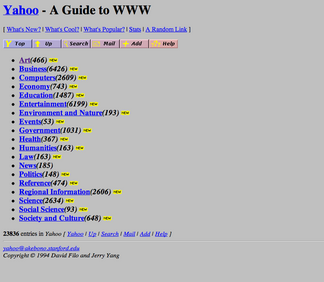




Core services and features
Yahoo!'s portfolio encompasses consumer services and specialized content. Typical offerings include:
- Search functionality and discovery tools, supplemented by technology partnerships.
- E‑mail and webmail services for personal and business use.
- Instant messaging and communications features historically important to the brand, with subsequent changes in delivery and integration.
- Video and multimedia content hosting and embedding for news and entertainment.
- News aggregation, editorial articles and topic pages covering politics, sports, technology and culture.
- Finance pages offering market data, company quotes and personal finance tools.
- Additional products and services such as weather, local listings and tools adapted for regional audiences.
Founding and development
Yahoo! began in the early 1990s as a directory and navigation aid created by university students. It grew rapidly with the expanding World Wide Web, becoming a major gateway for users seeking mail, news and curated content. The company expanded through product development, acquisitions and partnerships as competition from dedicated search engines and social platforms intensified.
Corporate changes and ownership
In the 2010s the company underwent significant strategic and ownership changes. Yahoo! formed partnerships with other technology firms to supply search and advertising technology and later became part of larger corporate reorganizations. In the late 2010s its core internet business was acquired by a major communications company and subsequently changed hands again under private ownership. These transitions altered corporate structure while many consumer services continued under the Yahoo brand.
Security, privacy and criticism
Yahoo! has been the subject of scrutiny over security incidents and user privacy, particularly after large data breaches were disclosed in the 2010s. Those events prompted industry discussion about account security, disclosure practices and the protection of personal data. Like other large media platforms, Yahoo! has also faced criticism about content moderation, advertising practices and the balance between editorial content and commercial interests.
Business model and contemporary role
The company's primary revenue model centers on digital advertising across its high‑traffic pages and services, combined with licensing, partnerships and some subscription products. Yahoo! persists as a recognizable brand with regional portals, specialized verticals (finance, sports, news) and a role in distributing content and advertising across desktop and mobile audiences. Its history illustrates early web business models that paired editorial selection with targeted advertising and highlights how legacy internet companies adapt to changing technologies and market structures.
Legacy and cultural impact
Yahoo! helped shape early expectations about portals, online mail and the aggregation of news and services. For many users it was a familiar starting point for everyday online activities. While the competitive landscape has shifted, Yahoo!'s combination of content verticals and tools continues to influence how large internet properties organize services and monetize audience attention.
Related articles
Author
AlegsaOnline.com Yahoo! — overview, services, history and contemporary role Leandro Alegsa
URL: https://en.alegsaonline.com/art/109551
Sources
- blogs.static.mentalfloss.com : Jerry and David's Guide to the World Wide Web becomes "Yahoo!"
- entrepreneur.com : entrepreneur.com/article/197564