
Charles Martel: Frankish leader, military commander and founder of Carolingian power
Charles Martel (c.688–741), Mayor of the Palace and de facto ruler of the Franks, who consolidated power in Gaul, halted an Islamic advance at Tours, and laid foundations for the Carolingian dynasty and medieval institutions.
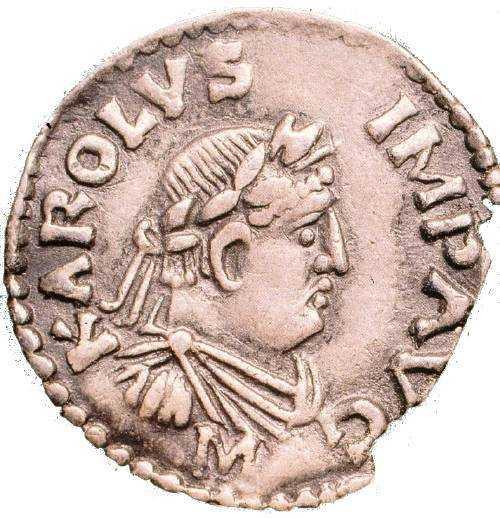
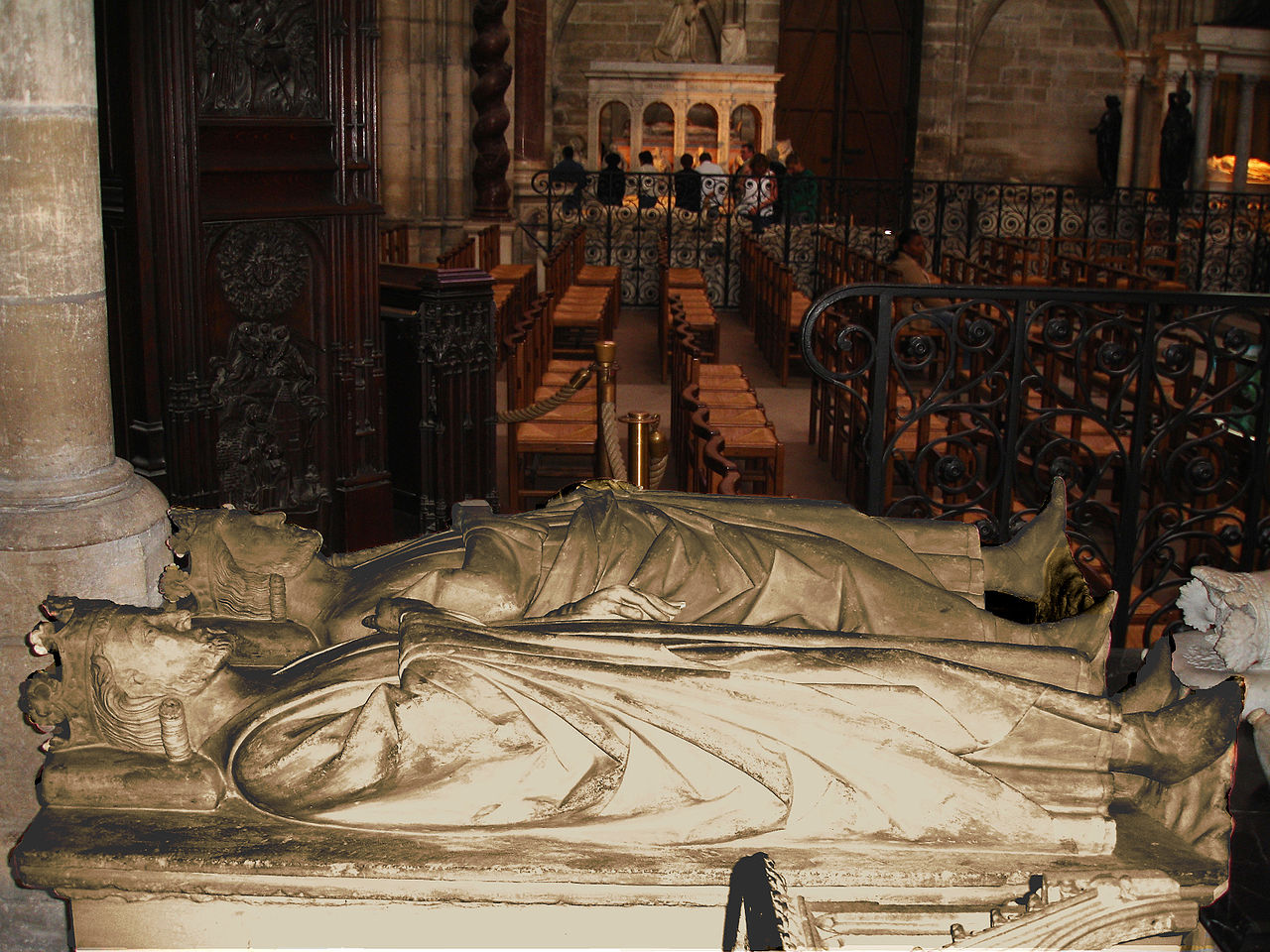
Charles Martel (c. 688–22 October 741) was a leading Frankish statesman and military commander who exercised the power of a monarch while retaining the Merovingian kings as figureheads. He is commonly called duke and prince of the Franks in later sources and was the Mayor of the Palace, the office that made him the effective de facto ruler of much of Francia from about 718 until his death. He was the illegitimate son of Pepin of Herstal and a noblewoman named Alpaida, and he overcame rival claimants to consolidate central authority.
Image gallery
10 Images



Early life and consolidation of power
After the death of his father, Martel engaged in a lengthy struggle with other nobles and regional magnates to secure his position. He used a combination of marriages, patronage and military appointments to extend control. Contemporary records and later chronicles emphasize his role as an energetic administrator and organizer of resources, able to call up levies, allocate revenues and direct campaigns across former Roman provinces of western Europe.
Military campaigns and the Battle of Tours
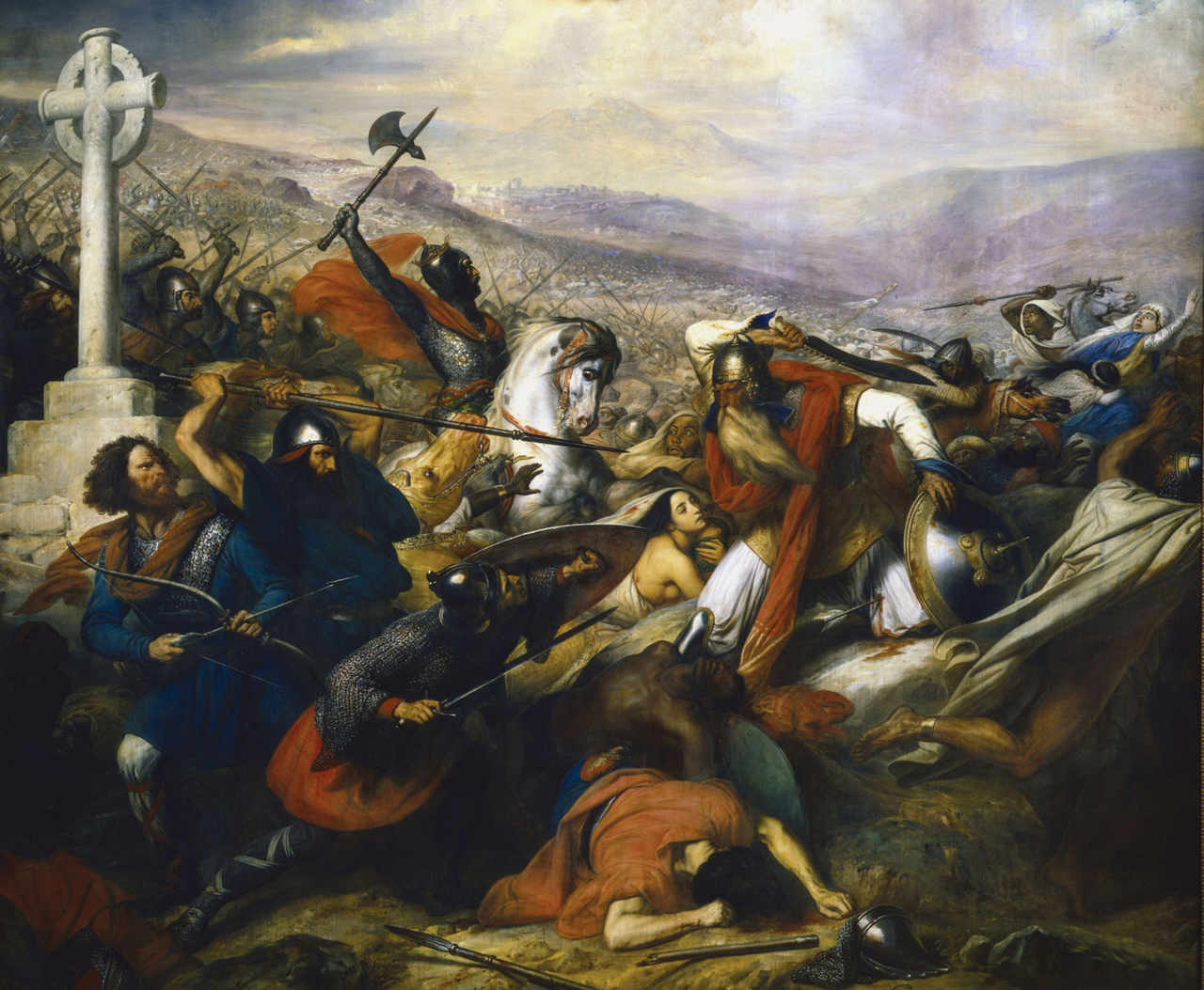
Martel built on his father’s military initiatives and led campaigns to re-establish Frankish dominance in areas of former Roman Gaul. He brought under influence regions and peoples including Bavaria, coastal zones inhabited by the Frisians, and he campaigned repeatedly against the Saxons and other Germanic groups. He intervened in local disputes, subdued rival magnates, and reorganized military obligations so that mounted retainers could be mustered more reliably. In 732 he confronted an invading force in a decisive encounter commonly called the Battle of Tours or Poitiers, where he halted an Islamic advance into northwestern Europe; this victory enhanced his prestige and secured his position.
Administration, military change and social effects
Martel’s methods combined battlefield leadership with administrative reforms. He rewarded followers with land and rights to revenues, a practice that reinforced loyalty and created a cadre of mounted warriors who served the central authority. While the precise origins of later feudal arrangements and knighthood are complex and debated, Martel’s redistribution of property and emphasis on mobile, armed retainers is widely seen as a formative stage in the transformation of post-Roman military and social organization in Europe.
Church relations and diplomacy
Martel maintained close relations with church leaders, supporting missionary work and ecclesiastical reform. He was a patron of figures such as Saint Boniface and sought a practical reconciliation between Frankish rulers and the Roman church. The Pope looked to the Frankish house as a protector of the Holy See and at one point offered honours such as a form of Roman consulship, which Martel declined while preserving beneficial ties to Rome and to local bishops.
Succession and dynastic consequences
Although Martel never assumed the title of king, he divided authority among his sons and arranged for a stable succession. He left the core of power to Carloman and Pepin, and his younger son Pepin the Short later took the crown with papal approval. Martel’s consolidation of power and administrative patterns created the conditions for his grandson Charlemagne to expand the realm and for the revived western Emperor to claim continuity after the fall of Rome. On this basis Martel is credited with laying groundwork for the Carolingian Empire.
Historical interpretation and legacy
- His byname “Martel,” meaning “the Hammer,” underlines the emphasis medieval writers placed on his military role and decisive victories.
- He is remembered as both an effective administrator and a successful military commander whose actions shaped the political map of western Europe.
- Martel’s combination of military reform, land redistribution and church patronage has been read as a pivotal moment in the transition into the European Middle Ages, even as historians temper earlier, simpler accounts of instant institutional invention.
Primary evidence for his life comes from Frankish annals and later medieval chroniclers, and modern scholarship places Martel in the broader context of post-Roman transformation: a period in which regional authority, military practice and church-state relations were reorganized. His achievements—restoring order in parts of Gaul, defending borders, and building a power base that his descendants converted into hereditary kingship—make him a central figure in the emergence of medieval Europe.
Related articles
Author
AlegsaOnline.com Charles Martel: Frankish leader, military commander and founder of Carolingian power Leandro Alegsa
URL: https://en.alegsaonline.com/art/18745
Sources
- worldcat.org : 225699907
- commons.wikimedia.org : Charles Martel