
Holy Roman Emperor: title, history and institutions
The Holy Roman Emperor was the sovereign of a multi-state realm in Central Europe. Originating with Charlemagne's 800 coronation, the office evolved into an elective monarchy and endured until 1806.
Overview
The Holy Roman Emperor was the ruler traditionally associated with the collection of territories in and around what is now Central Europe. The office combined claims of Roman imperial continuity, Christian sanctity and medieval kingship. Its practical authority varied greatly over time: at moments an emperor could act as a powerful European monarch, while at others the title was largely ceremonial and dependent on the cooperation of numerous princes and city-states. The political entity most commonly called the Holy Roman Empire covered a shifting patchwork of duchies, bishoprics and principalities across Central Europe.
Image gallery
10 Images




Origins and coronation
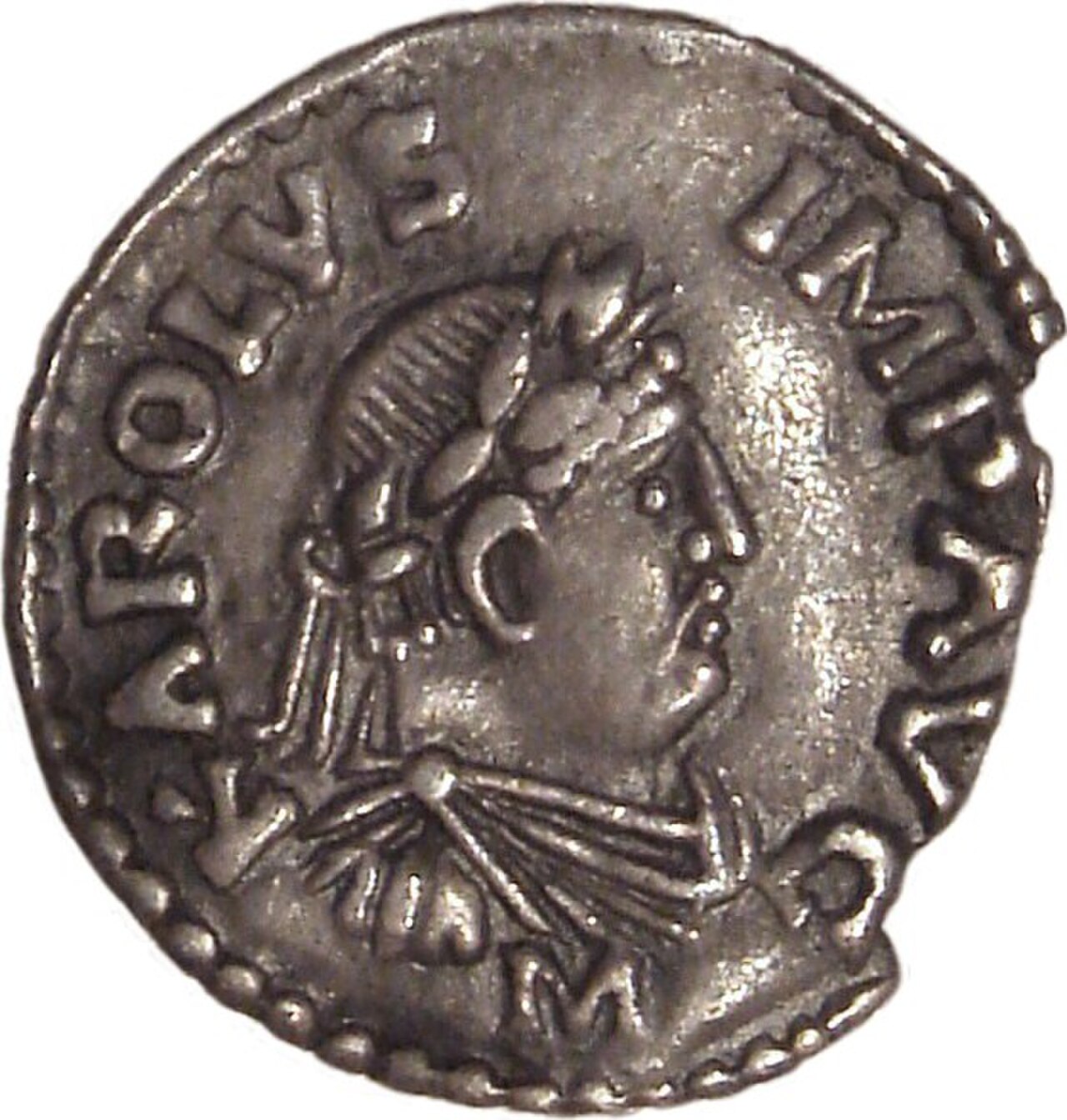
The imperial dignity was understood as descending from the rulers of ancient Rome and was revived in the West when the pope crowned the Frankish king Charlemagne on 25 December 800. That act linked the Frankish kingdom—an ancestor of modern France and Germany—to the legacy of the Roman emperors and to papal authority. Charlemagne (Charlemagne) is therefore often presented as the first medieval emperor, though the institution evolved substantially after his reign and was not identical to either ancient empires or later monarchies.
Institutions, election and symbols
By the later Middle Ages the imperial title was no longer strictly hereditary. Emperors were usually chosen by a group of senior magnates known as prince-electors, and the candidate commonly took the style King of the Romans before receiving the imperial coronation. Key features and symbols associated with the office included:
- an elective monarchy of competing territorial rulers rather than a centralized state;
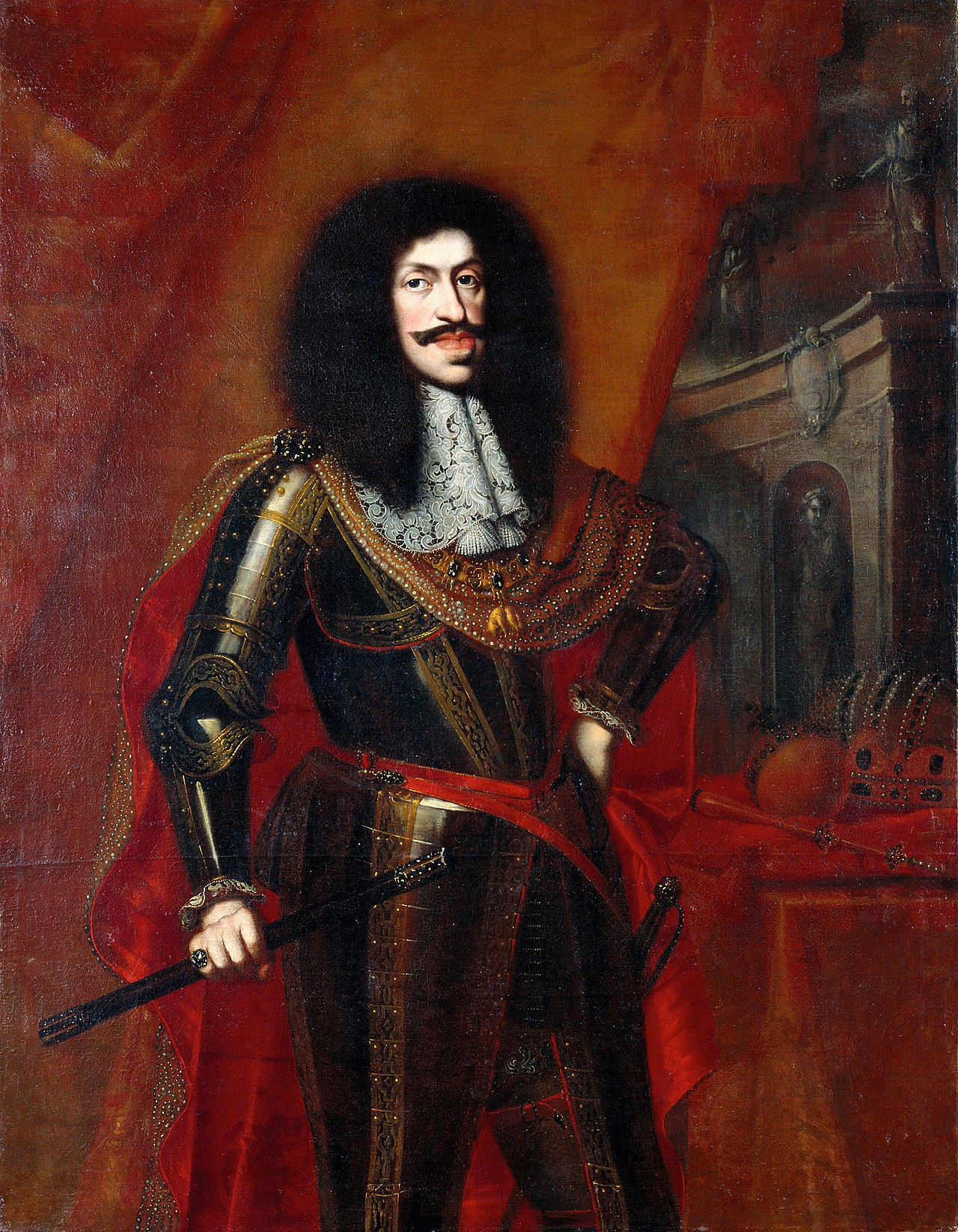
- ceremonial regalia such as an imperial crown, orb and scepter, which embodied the dignity of empire;
- a complex relationship with the papacy: papal coronation was important historically, though later emperors sometimes assumed or were recognized in the title without a Roman coronation, reflecting changing church–state practices.
Powers, responsibilities and practice
In theory the emperor was protector of Christendom, a supreme judge, and an overlord who could mediate disputes among princes and defend the realm. In practice the emperor depended on negotiation, military alliances and legal instruments to exercise influence. The Golden Bull of 1356 and other constitutional arrangements codified aspects of imperial election and the rights of territorial rulers, reinforcing the composite, negotiated nature of imperial power.
Notable rulers and decline
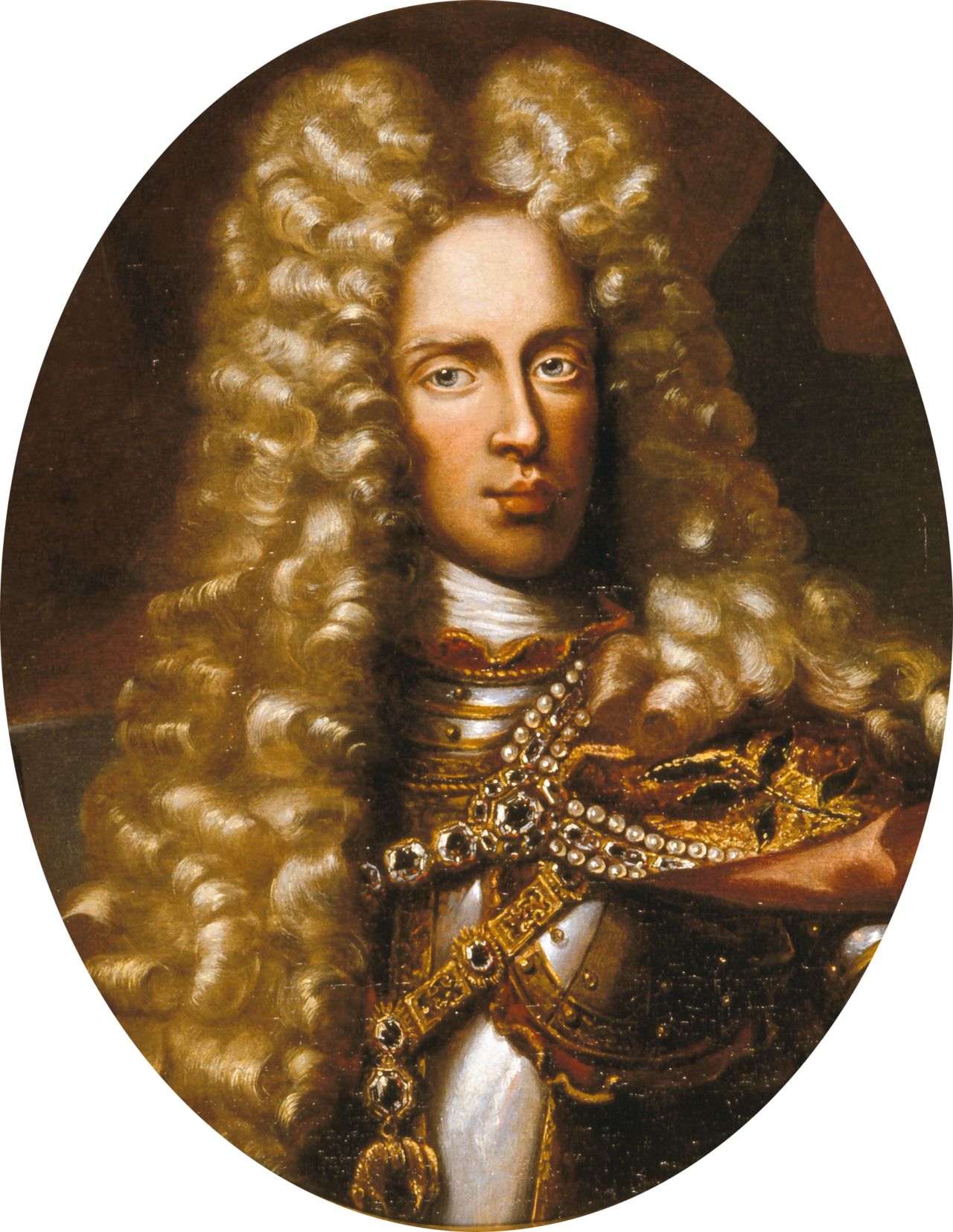
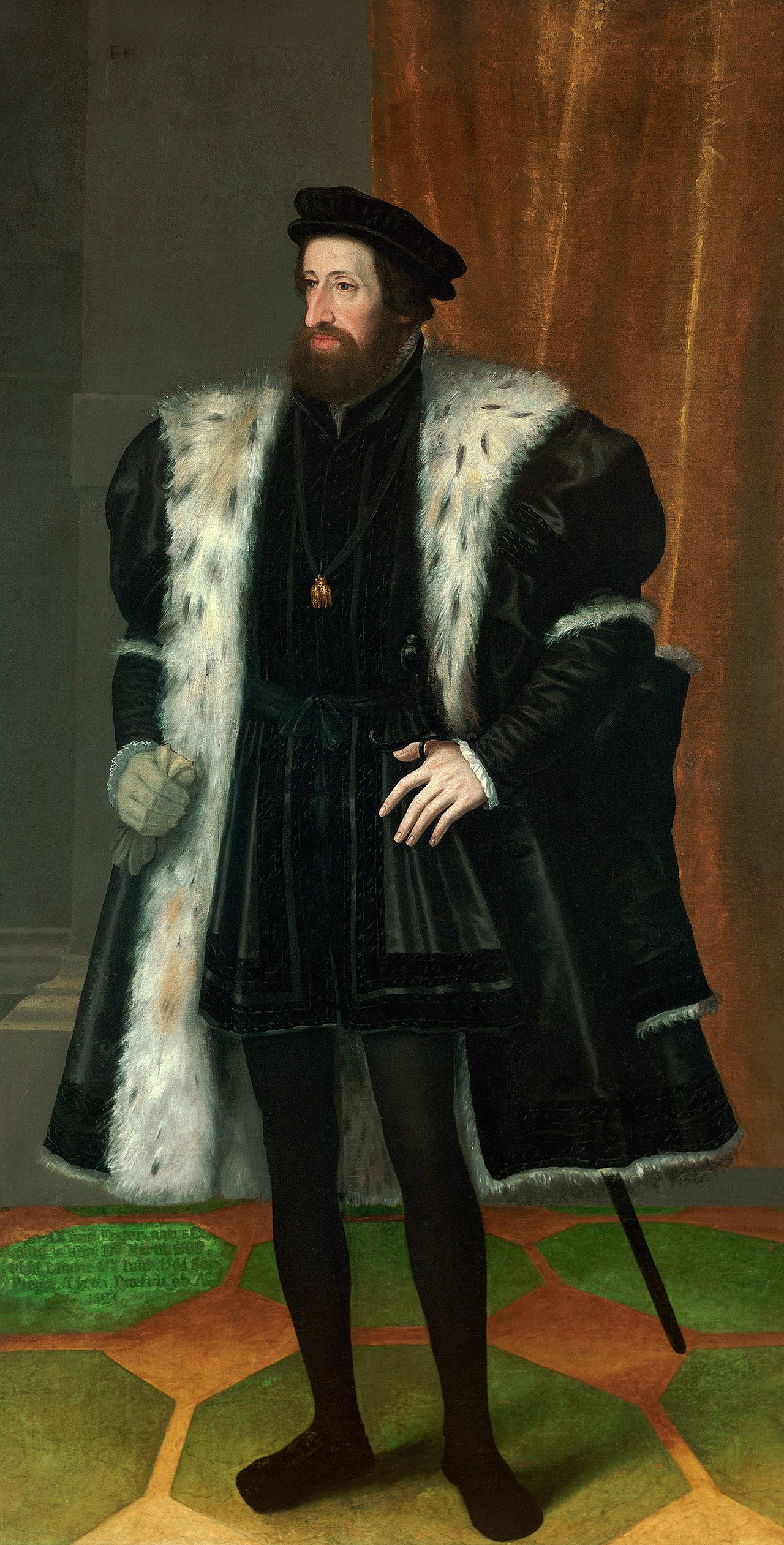
Important figures who held the imperial title include Charlemagne, the Saxon king Otto I, the Hohenstaufen rulers such as Frederick I (Barbarossa), and Charles V, who ruled a vast trans-European realm. From the late medieval period onward the Habsburg family frequently occupied the throne, shaping its character for centuries. The empire was profoundly affected by the Reformation, the Thirty Years' War and rising state systems. Under pressure from Napoleonic reorganization of Europe the imperial structure finally unraveled and the title ceased to exist when the entity was dissolved in 1806.
Legacy and distinctions
The Holy Roman Emperor represents a distinctive medieval and early modern institution: neither a nation-state nor a direct continuation of ancient Rome in administrative terms, but a long-lived framework for political authority in Europe. It is often noted in histories and popular literature that by the later years the empire's name overstated its unity—an observation reflecting the complex, decentralized reality of imperial rule. For broader context on the territories and institutions associated with the emperor see further resources: Roman heritage, Frankish roots, key dates, major figures, and general overviews at regional studies, empire histories, and thematic introductions to monarchy and church relations (see links).
Related articles
Author
AlegsaOnline.com Holy Roman Emperor: title, history and institutions Leandro Alegsa
URL: https://en.alegsaonline.com/art/44827
Sources
- germanmilitaryhistory.com : germanmilitaryhistory.com
- books.google.com : The Origins of Modern Germany