
Caryophyllales: the plant order including cacti, carnations and succulents
Caryophyllales is a large, diverse order of flowering plants that includes cacti, carnations, amaranths, many succulents and several carnivorous families; notable for betalain pigments and stress adaptations.
Overview
Caryophyllales is an order of flowering plants that unites a wide range of herbs, shrubs and succulents. Well known members include cacti, carnations and amaranths, but the order also contains many salt‑tolerant species and several families of carnivorous plants. Botanists recognize Caryophyllales for a set of shared features and for its ecological breadth across dry, saline and nutrient‑poor habitats.
Image gallery
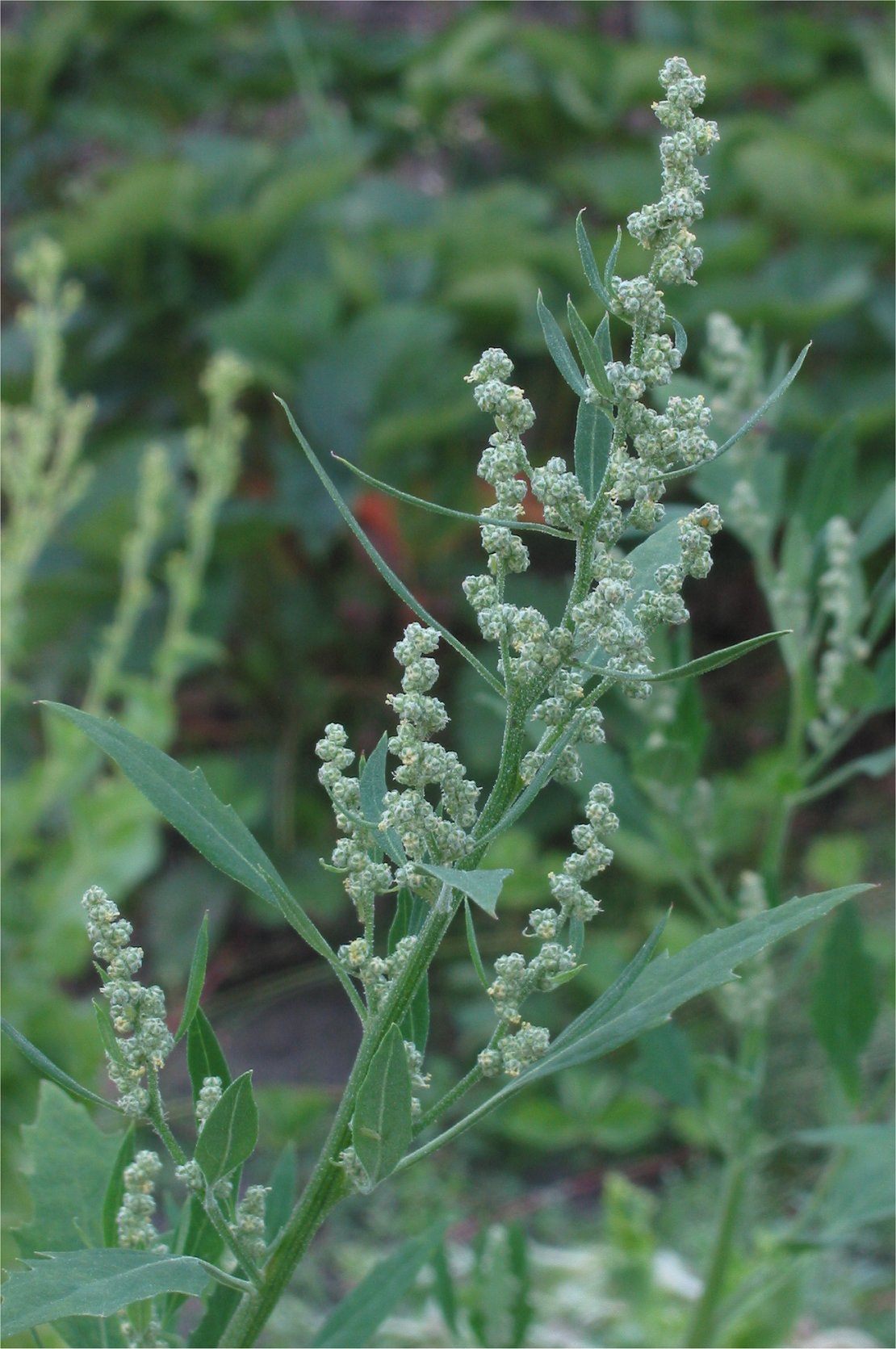
8 Images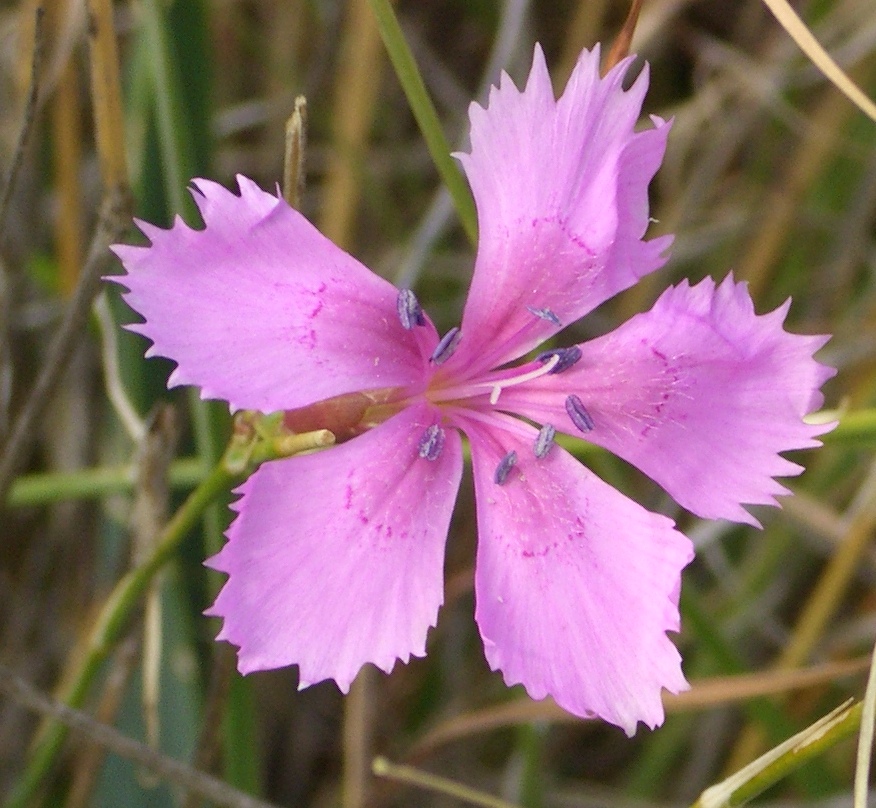






Key characteristics
Plants in Caryophyllales display diverse growth forms but share some distinctive traits. A chemically important feature is the presence of betalain pigments, which replace anthocyanins in many families and give red, purple or yellow colors. Many species are succulent, storing water in stems or leaves; others show adaptations to saline soils or low nutrients. Flowers and fruit types vary widely across the order.
Origins and classification
The order was established through modern phylogenetic studies that grouped families with genetic and morphological similarities. Over time molecular evidence reshaped older classifications and brought together taxa that were not formerly associated. Taxonomic treatments and family circumscription continue to be refined as more DNA data become available.
Diversity and representative groups
- Caryophyllales (order overview)
- Taxonomy and classification
- Cacti (Cactaceae) — stem succulents
- Carnations (Caryophyllaceae) — ornamentals
- Amaranths and grains (Amaranthaceae)
- Carnivorous families (e.g., Droseraceae)
- Succulent lineages
- Fleshy stems and water storage
- Fleshy leaves and leaf succulence
Uses and ecological importance
Members of Caryophyllales include economically important crops and ornamentals — for example beets, quinoa and carnations — as well as species used in landscaping and restoration on poor soils. Ecologically, many species stabilize soils, provide food and shelter in arid regions, and occupy niches where other plants struggle to survive. Carnivorous members demonstrate unusual adaptations to nutrient‑poor sites by capturing insects.
Notable distinctions
Among notable facts are the order's frequent evolution of succulence, its distinct pigment chemistry (betalains), and the repeated emergence of specialized life histories such as carnivory and halophytism. These convergent adaptations make Caryophyllales a focal group for studies of plant evolution and environmental tolerance.
Related articles
Author
AlegsaOnline.com Caryophyllales: the plant order including cacti, carnations and succulents Leandro Alegsa
URL: https://en.alegsaonline.com/art/17366