
Cedrus libani (Lebanon cedar): description, distribution, history, and cultivation
Cedrus libani, the Lebanon cedar, is a large evergreen conifer native to eastern Mediterranean mountains, valued for its distinctive form, durable timber, and cultural symbolism; widely planted and conserved.
Cedrus libani, commonly called the Lebanon cedar or cedar of Lebanon, is a long-lived evergreen conifer native to mountain areas of the eastern Mediterranean. It is renowned for its broad, often flattened crown in maturity, stout trunk and durable wood. The species has played a prominent role in the culture and landscape of the Levant for millennia and remains popular in large parks, estates and botanical collections outside its native range.
Image gallery
10 Images




Description and distinguishing features
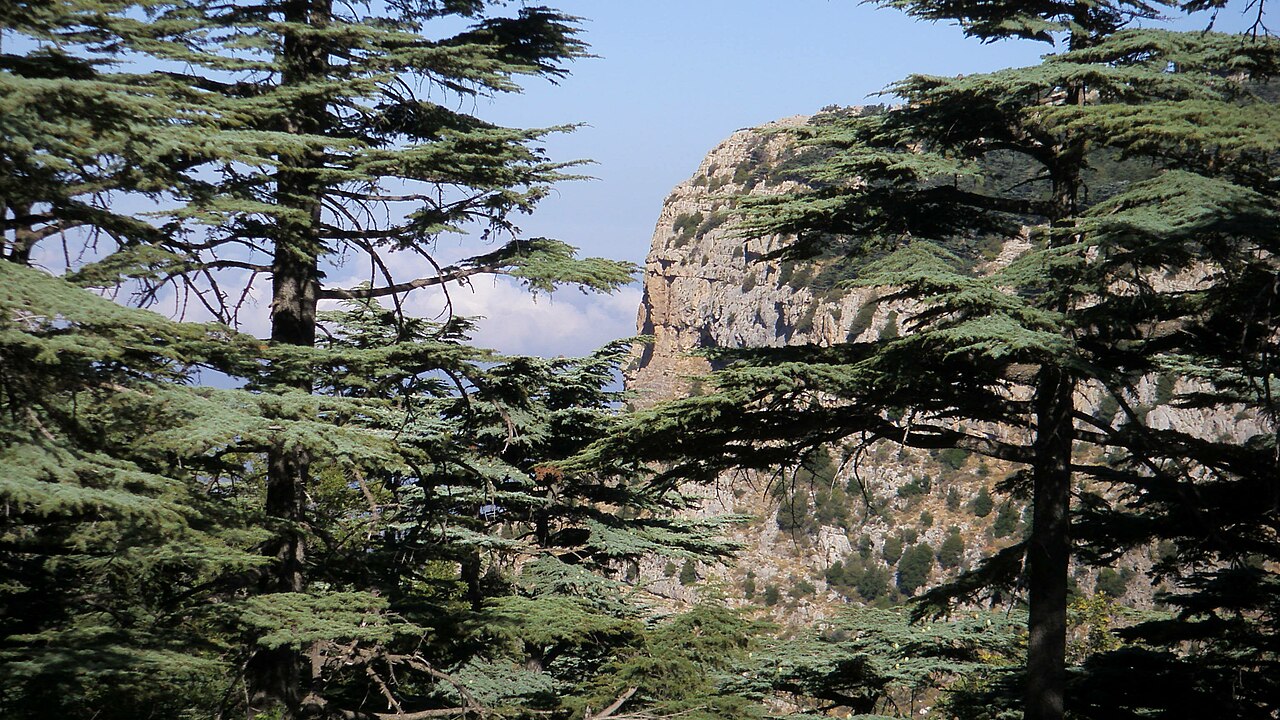
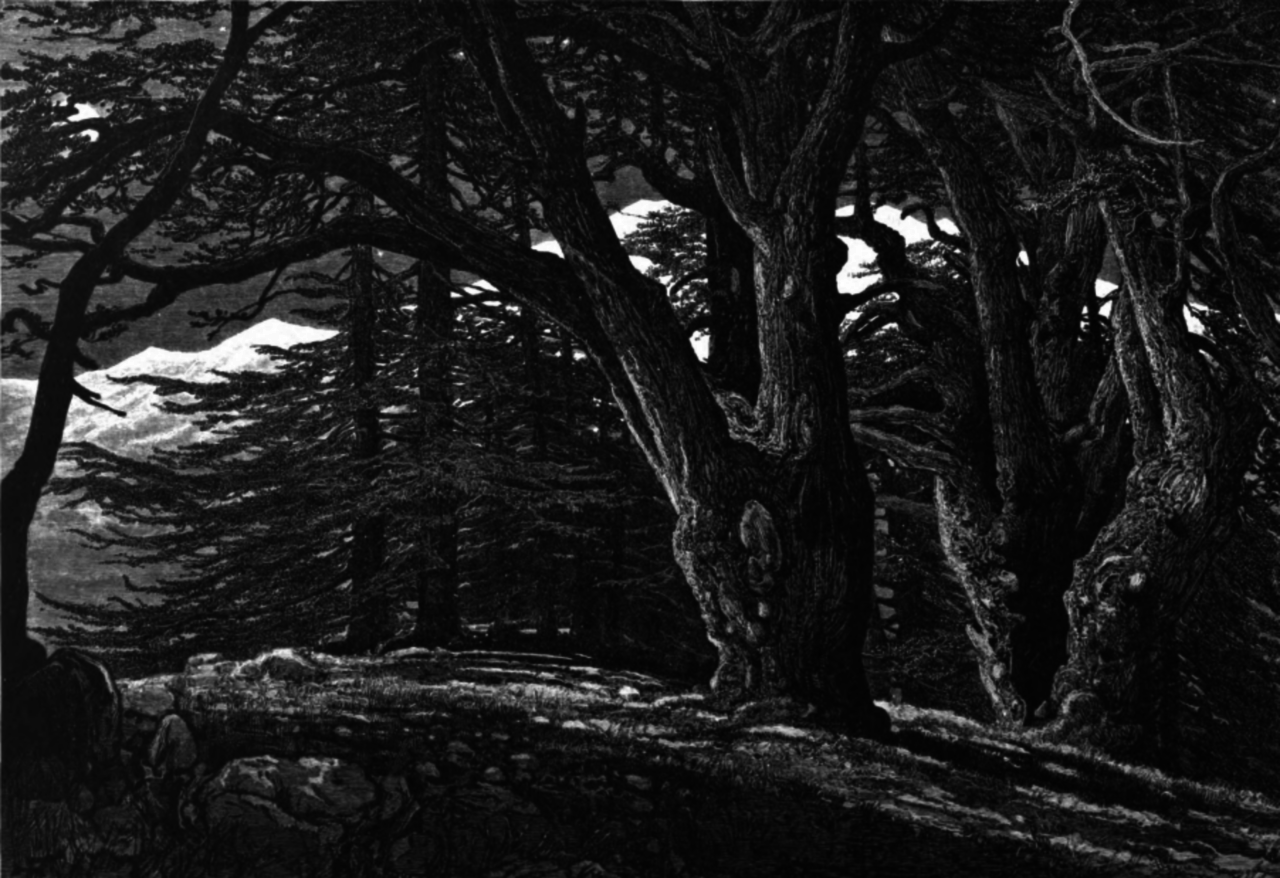
As a tree it can attain great size: mature specimens may reach considerable height and a wide, spreading habit. Young trees are typically conical in outline but, with age, develop a more open crown that becomes flat-topped. The trunk is thick and covered by deeply fissured, scaly bark that ranges from dark grey to brown. The leaves are borne as clusters of short, pointed needles that are four-sided in cross-section and sit closely along short shoots. Needle colour varies from a bluish glaucous tone to darker green. Reproductive structures include barrel-shaped seed cones that are initially green and later turn brown as they mature.
Key characteristics
- Growth form: slowly maturing, large evergreen conifer with a spreading crown.
- Foliage: needle-like, clustered on spur shoots, 2–3 cm long, glaucous to green.
- Bark and trunk: thick, scaly, and deeply fissured on older stems.
- Cones: barrel-shaped, initially green, ripening to brown; seeds released as cones disintegrate.
- Lifespan: long-lived; some historic trees survive for many centuries under favourable conditions.
Distribution, habitat and ecology
The natural range of Cedrus libani is restricted to higher altitudes in the eastern Mediterranean. It occurs primarily in mountain forests and open slopes where winters are cool and summers relatively dry. The tree is adapted to well-drained soils and tolerates drought better than many other large conifers. In its native area it forms part of mixed woodlands and provides habitat and shelter for a variety of plants and animals. For a general regional context see eastern Mediterranean, and for country-specific information see Lebanon and Turkey.
History, cultural significance and uses
The Lebanon cedar has deep historical and cultural associations in the Near East. Its strong, aromatic timber was prized in antiquity for construction, shipbuilding and religious monuments. The tree features in religious texts, classical literature and heraldry, and remains a national symbol in several contexts. Beyond its historic uses, the species has been planted worldwide as an ornamental and specimen tree for large landscapes because of its impressive silhouette and longevity.
Cultivation, management and conservation
When cultivated, Cedrus libani prefers full sun and soils that are not waterlogged; it is tolerant of drought and poor soils once established but does not thrive in hot, humid climates. Young trees benefit from protection and slow, steady training to develop a strong framework. Common management issues include sensitivity to root wetness, occasional fungal diseases, and damage from pests in some areas. Because natural populations have declined in parts of their native range, reforestation and protection measures have been important for conserving genetic diversity.
Practical uses and notable facts
- Landscape use: prized as a specimen or shade tree in parks and large gardens due to its form and presence.
- Timber and resin: historically valued for strength and resistance to decay; resin has been used for aromatic and preservative purposes.
- Conservation: wild stands have been reduced by human activity; restoration and protected areas support recovery.
- Appearance note: the foliage often displays a bluish cast—described as glaucous—which can be a distinguishing visual trait.
Today Cedrus libani remains both a living link to ancient landscapes and a practical choice for large-scale planting where conditions suit its slow, stately growth. Its combination of distinctive form, long lifespan and cultural resonance continues to make it an important and widely recognized species.
Questions and answers
Q: What is Cedrus libani?
A: Cedrus libani is a large coniferous tree of the cedrus genus native to the eastern Mediterranean Sea from Lebanon to Turkey.
Q: How tall can Cedrus libani grow?
A: Cedrus libani can grow to a maximum height of 40m.
Q: What is the bark of Cedrus libani like?
A: The bark of Cedrus libani is thick, scaly, black, and grey-brown in color.
Q: What is the shape of Cedrus libani when young?
A: When young, Cedrus libani is conical in shape.
Q: Where are the female cones of Cedrus libani found?
A: The female cones of Cedrus libani are found on the tree.
Q: What is the landscaping value of Cedrus libani?
A: Cedrus libani has great landscaping value and is widely planted in park and large gardens.
Q: What is the color of the needle-shaped leaves of Cedrus libani?
A: The needle-shaped leaves of Cedrus libani are glaucous-blue to dark green in color.
Related articles
Author
AlegsaOnline.com Cedrus libani (Lebanon cedar): description, distribution, history, and cultivation Leandro Alegsa
URL: https://en.alegsaonline.com/art/17820