
Caryophyllaceae (pink or carnation family)
A temperate family of flowering plants in the order Caryophyllales with about 88 genera and ~2,000 species, recognized for opposite leaves, often notched petals, and many ornamental genera such as Dianthus.
Overview
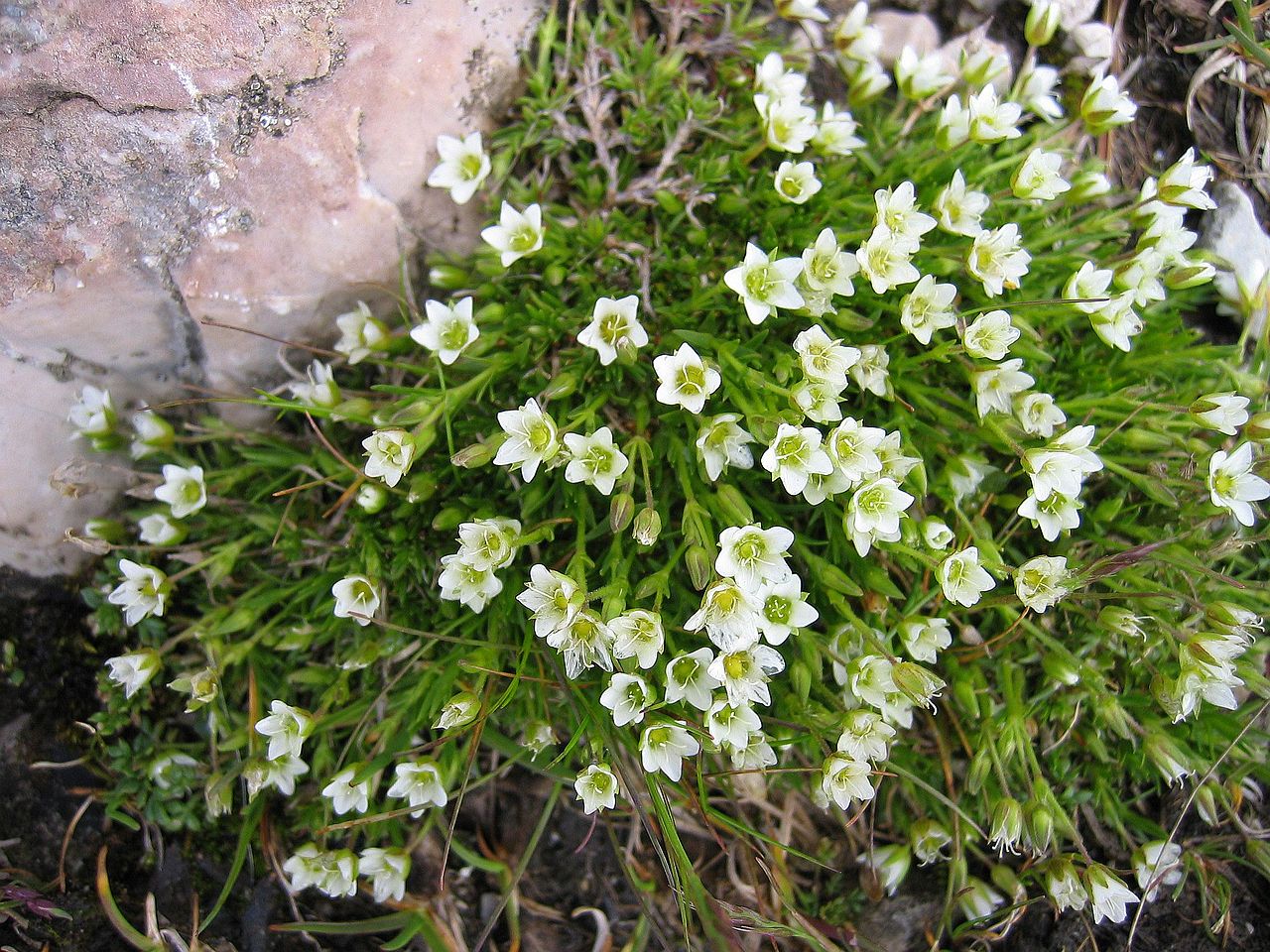
The Caryophyllaceae, commonly called the pink family or carnation family, is a widespread group of mainly herbaceous flowering plants in the order Caryophyllales. The family includes roughly 88 genera and about 2,000 species, most of which are native to temperate regions of the Northern Hemisphere. Members range from annuals and short-lived perennials to longer-lived tufted herbs and small subshrubs. Many species are familiar in gardens and floristry and several are adapted to specialized soils such as gypsum or calcareous substrates. General summaries and species lists are available from authoritative sources such as overview resources.
Image gallery
8 Images




Typical characteristics
Plants in this family show a consistent suite of characters that help with identification. Common traits include:
- Opposite, usually simple leaves that are often entire and unstalked.
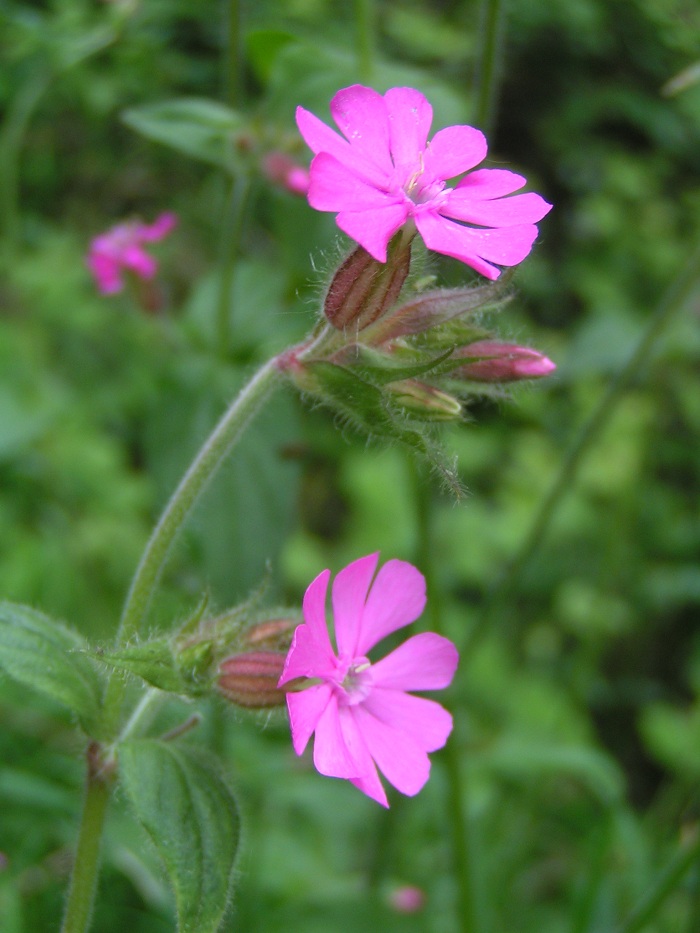
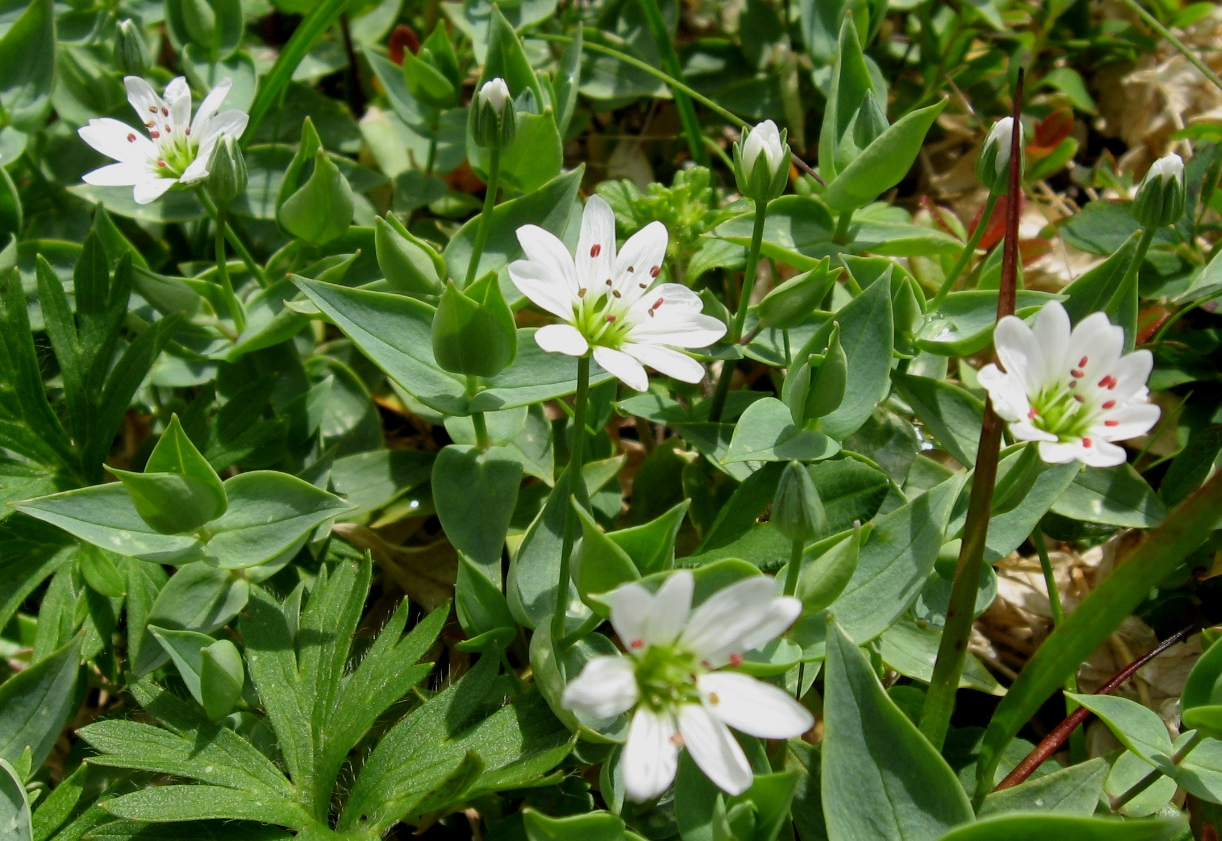
- Flowers typically actinomorphic with five petals and five sepals; petals are frequently notched, fringed, or divided into narrow lobes.
- A calyx formed by fused sepals and a superior ovary; the fruit is commonly a capsule that opens to release numerous seeds.
- Often herbaceous habit and a preference for open, well-drained habitats, though some species occur in woodlands or alpine zones.
Distribution and ecology
The family is most diverse in temperate regions but has representatives worldwide. Caryophyllaceae species occupy a range of habitats from meadows and grasslands to rocky outcrops and disturbed ground. Several species are tolerant of poor or saline soils and some are indicators of particular soil chemistries. Many serve as nectar or pollen sources for insects, and a few have specialized relationships with pollinators.
Taxonomy and relationships
Long recognized by botanists, the circumscription of Caryophyllaceae has been refined by morphological and molecular studies. It is placed within Caryophyllales and is subdivided into tribes and genera on the basis of floral structure and DNA evidence. Modern treatments retain many traditional genera but also reassign some taxa as relationships have become clearer; for more detailed taxonomic accounts consult family databases.
Notable genera and uses
Several genera are important horticulturally or culturally. Dianthus includes carnations and garden pinks prized for their scented and often scalloped petals, while Gypsophila (baby's breath) is widely used in floral arrangements. Other well-known genera include Silene and Stellaria, common in meadows and woods. Uses are primarily ornamental, though some species are used in traditional medicine or as ecological indicators. Practical cultivation advice and species information can be found in floras and on specialized portals such as taxonomic portals.
Identification tips
To recognise members of the pink family, look for opposite leaves, a persistent calyx, and petals that are often notched or divided. Observing fruit type (a dry capsule) and floral morphology will help distinguish Caryophyllaceae from superficially similar families. For detailed keys and species descriptions consult regional floras or specialist guides.
Related articles
Author
AlegsaOnline.com Caryophyllaceae (pink or carnation family) Leandro Alegsa
URL: https://en.alegsaonline.com/art/17365