
Carcass: definition, decomposition, ecological role, and terminology
A carcass is the dead body of an animal or human. This article explains the term, physical changes after death, ecological and practical roles, historical usage, and distinctions from related words.
A carcass is a dead body, most commonly used for animals but sometimes applied broadly to any deceased organism. In everyday language the word overlaps with corpse, yet different fields and cultures prefer particular terms. A carcass may be intact or partially dismembered and, depending on context, refers to the whole remains available for study, disposal, consumption, or ecological processes.
Image gallery
10 Images





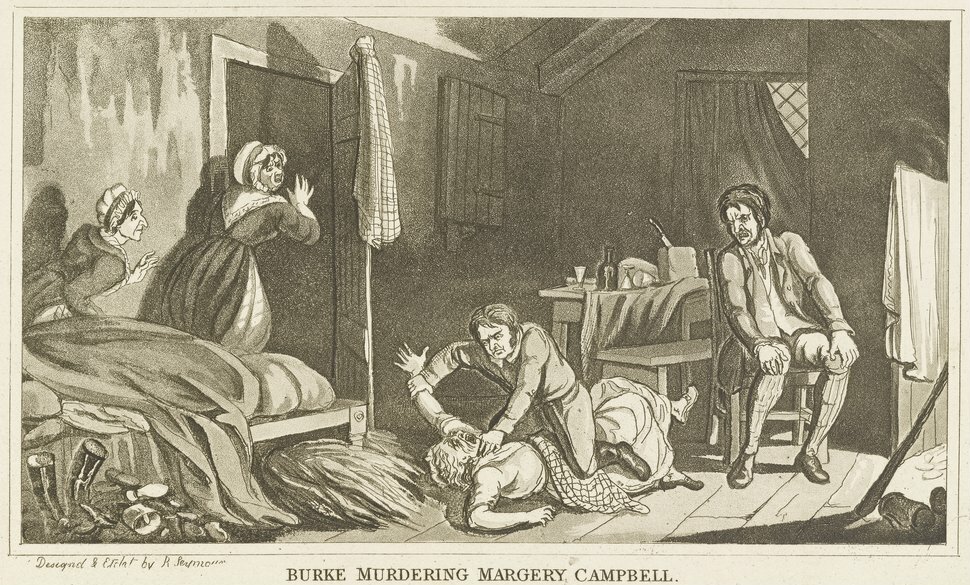
Characteristics and the process of decomposition
After death a carcass undergoes predictable physical and chemical changes. Rigor mortis, algor mortis and livor mortis are early phenomena in vertebrates, followed by bacterial breakdown, insect colonization and progressive tissue loss. Environmental factors—temperature, humidity, burial, scavenging and the presence of insects or microbes—strongly influence the pace and pattern of decomposition.
Ecological and practical roles
Carcasses are important in ecosystems: they provide food for scavengers and detritivores and return nutrients to soil, supporting plant growth. In agriculture and the meat industry the term denotes an animal prepared for processing or sale; inspectors, veterinarians and butchers commonly refer to carcass weight and condition. In forensic science, the study of a carcass can yield information about time and cause of death.
History, usage, and cultural considerations
The word has long roots in several European languages and has been used in hunting, butchery and literature. Different societies have specific practices for handling carcasses—burial, incineration, rendering, or leaving remains for scavengers—driven by religious, sanitary and legal concerns. Legal definitions may distinguish carcasses from living animals for regulation of transport, disposal, and public health measures.
Related terms and notable distinctions
- Corpse: typically refers to a human dead body in everyday speech and some legal contexts.
- Cadaver: used in medical and anatomical contexts, often for study or dissection.
- Remains: a neutral, sometimes euphemistic term that can include bones, ashes, or fragmented tissue.
Understanding these distinctions helps in fields from ecology to law and medicine. Whether encountered in nature, agriculture, or scientific study, a carcass plays roles that range from a source of nutrients to an object of investigation. For further reading see related entries on animal biology, forensic taphonomy and meat processing, or consult resources at specialized guides and institutional references at official sources.
Related articles
Author
AlegsaOnline.com Carcass: definition, decomposition, ecological role, and terminology Leandro Alegsa
URL: https://en.alegsaonline.com/art/16905