
Castella (Kasutera): Japanese sponge cake with Portuguese roots
Castella (Kasutera) is a moist, fine‑grained Japanese sponge cake of Portuguese origin. Made from eggs, sugar, flour and starch syrup, it is a Nagasaki specialty, often sold as omiyage and enjoyed at festivals.
Overview
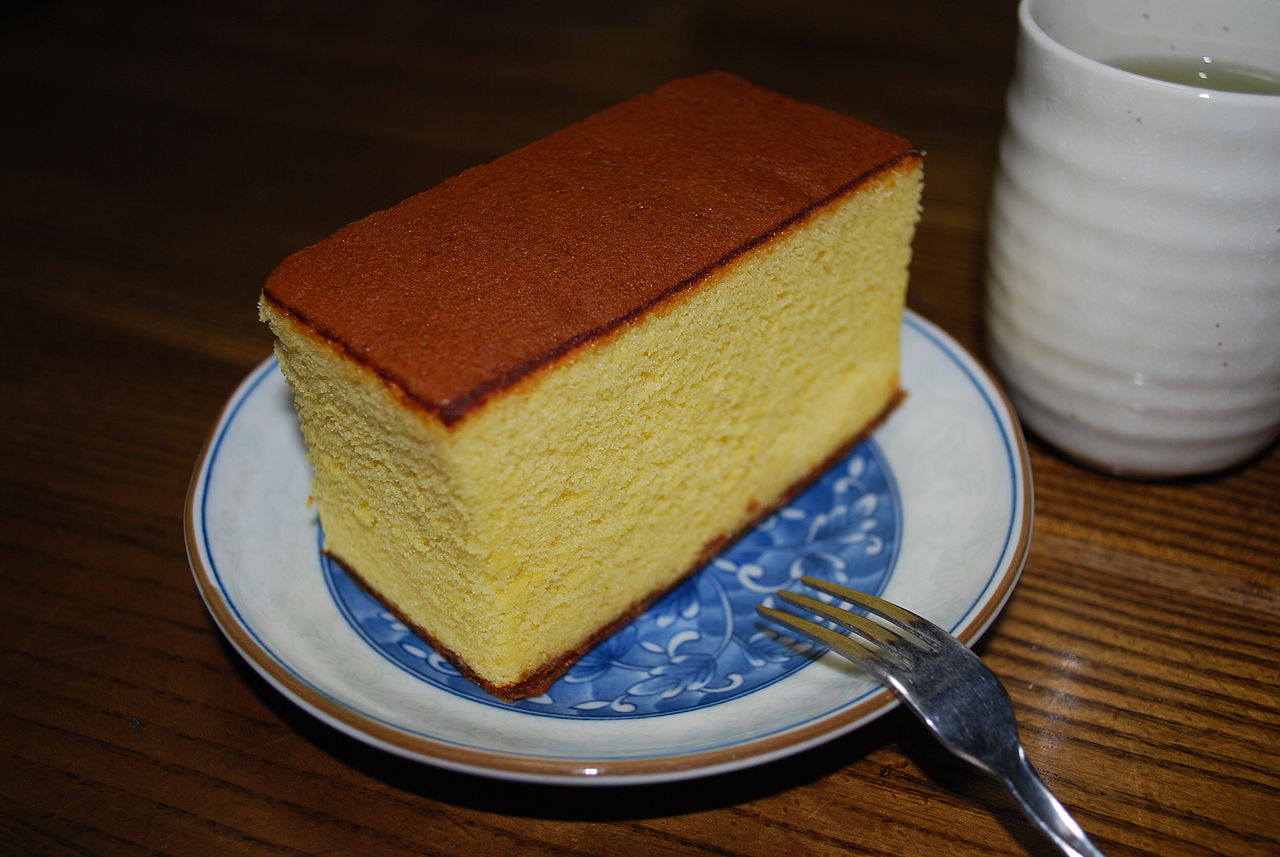
Castella, or kasutera in Japanese, is a soft, fine‑grained sponge cake that became popular in Japan. It is noted for a smooth, slightly glossy crust, a moist interior and a tight, even crumb. Simple ingredients and careful technique produce a cake that is less airy than many Western sponge cakes but richly flavored and tender.
Image gallery
10 Images




Ingredients and preparation
Basic Castella uses few ingredients: eggs, sugar, wheat flour and a sweetening syrup such as starch syrup or honey. Bakers sometimes use mizuame (a rice or starch syrup) to help retain moisture and create a glossy crumb. The batter is gently mixed, often folded slowly to preserve structure, then poured into a long rectangular mold and baked slowly to set the crumb without excessive browning.
History and origin
Castella came to Japan in the 16th century with Portuguese traders and missionaries. The name derives from Portuguese Pão de Castela — literally "bread of Castile" — referring to the Castile region of Spain. The confection was adapted to local tastes and ingredients and became closely associated with Nagasaki, an early point of contact between Japan and Portugal.
Varieties and regional forms
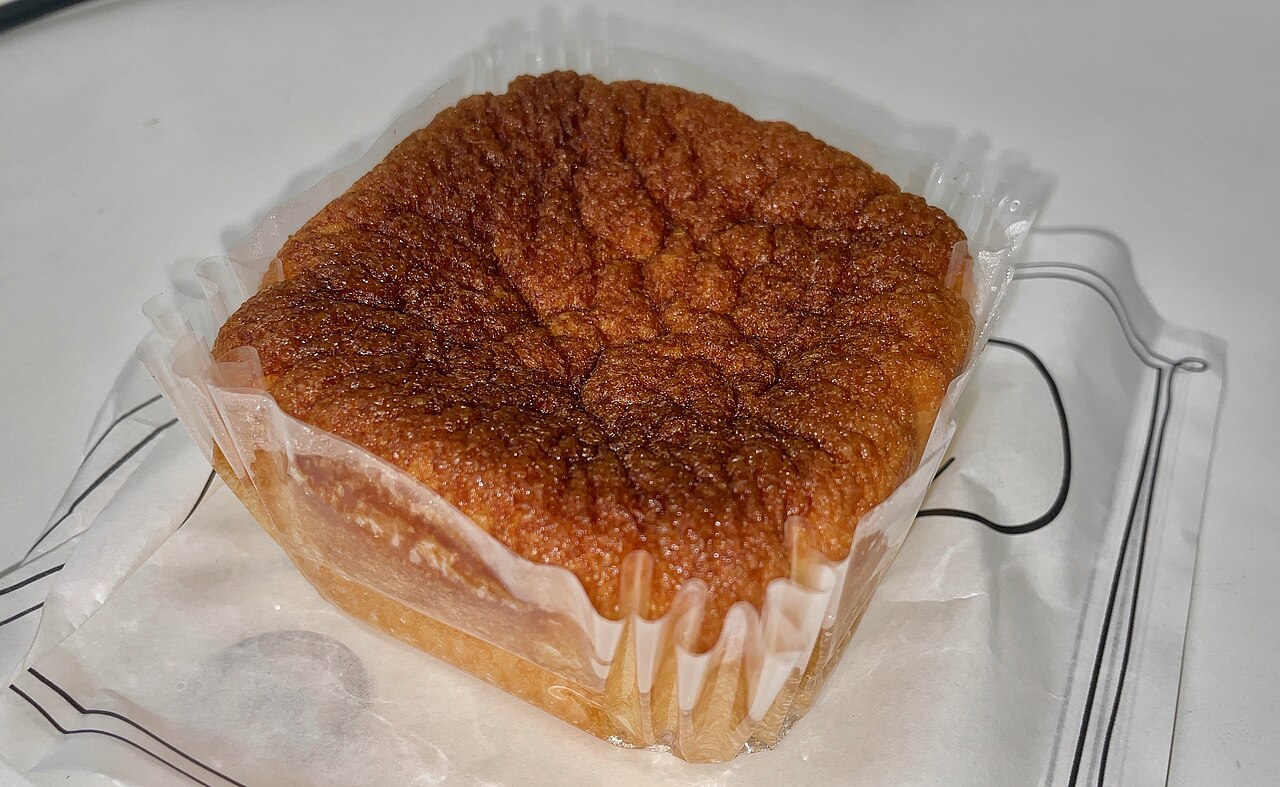
Traditional Castella is plain or lightly sweetened with honey, but many regional and modern variations exist. Brown sugar or darker syrups produce a deeper color and flavor; contemporary versions include matcha, chocolate, cheese and seasonal ingredients. Artisanal shops emphasize oven control and loaf sizing to achieve characteristic texture.
Uses, packaging and storage
Castella is a common festival and street food item but is also widely sold as a packaged souvenir (omiyage), particularly from Nagasaki. Its relatively long shelf life when wrapped or vacuum‑packed made it suitable as a gift. Slices are served with tea, and businesses package whole loaves or individually wrapped pieces for travel.
Cultural significance and modern production
As a product of early European–Japanese exchange, Castella exemplifies culinary adaptation: imported technique and names were localized into a distinct Japanese confection. Today it remains popular across Japan, from specialty bakeries to supermarket shelves, and is celebrated as both an everyday treat and a regional specialty.
Related articles
Author
AlegsaOnline.com Castella (Kasutera): Japanese sponge cake with Portuguese roots Leandro Alegsa
URL: https://en.alegsaonline.com/art/17472