
Caviar: Sturgeon Roe, Production, Culinary Use, and Conservation
Caviar is salted sturgeon roe prized as a luxury food. This article covers what caviar is, how it is produced and graded, its culinary uses, historical sources, and modern conservation and farming efforts.
Overview
Caviar refers to the processed, salted eggs harvested from sturgeon species and traditionally served as an upscale delicacy. True caviar is made from the unfertilized eggs of sturgeon; producers and writers often describe it simply as sturgeon roe. The term has broadened in culinary usage to include other fish roes, but purists reserve "caviar" for sturgeon products.
Image gallery
10 Images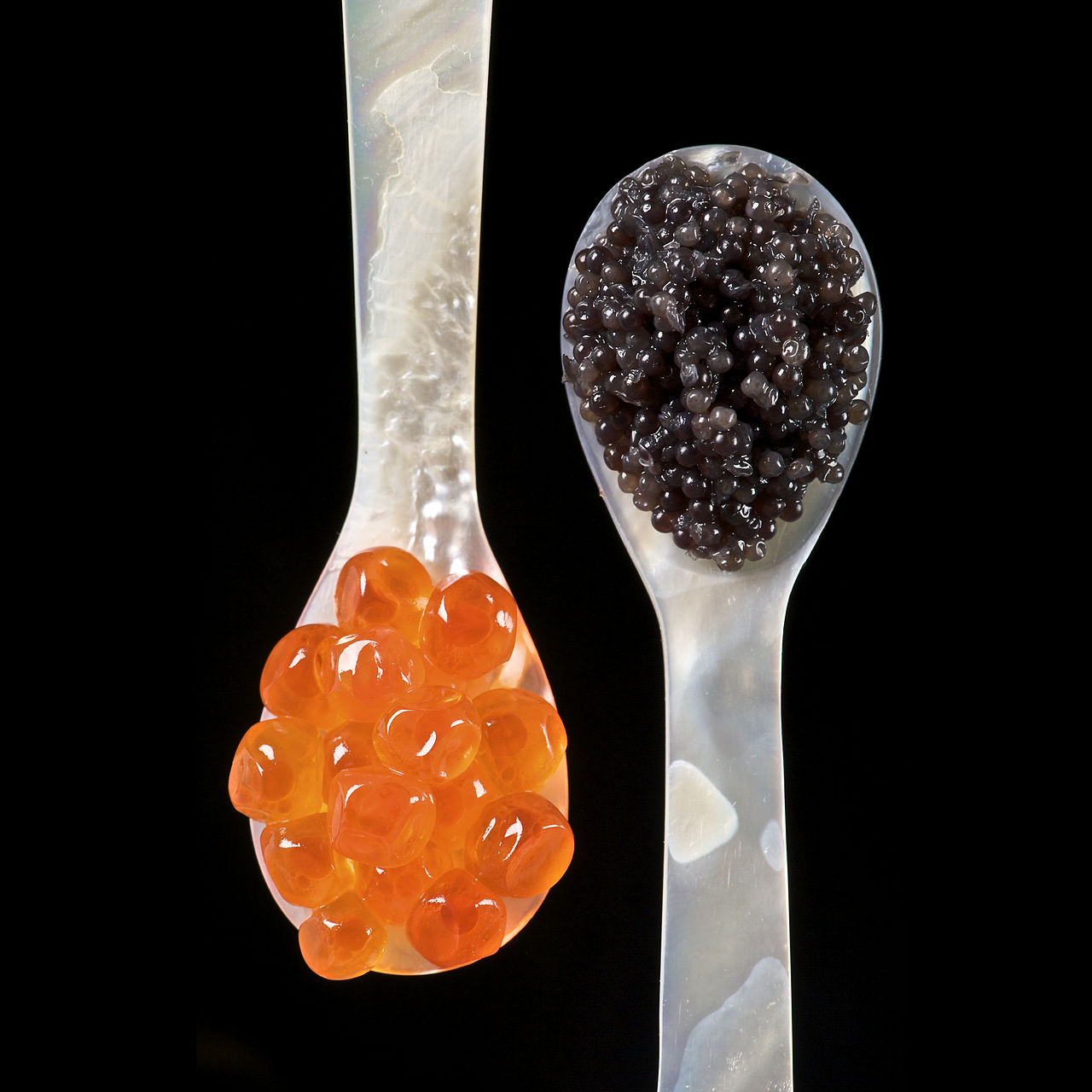


Characteristics and Production
Fresh caviar is characterized by size, color, firmness and flavor. Eggs can range from pearly gray to black, brown or golden, depending on the sturgeon species and the water where the fish lived. Producers lightly salt the harvested eggs — a method known as malossol in Russian, meaning "little salt" — to preserve texture and delicate taste. By definition, caviar is made from unfertilized eggs, which are separated from the female's ovaries and then rinsed, graded and salted.
Types, Grading and Serving
- Common types include Beluga, Ossetra and Sevruga, named after species and regional origins.
- Grading factors: egg size, color uniformity, firmness and absence of defects.
- Service etiquette favors neutral utensils: mother-of-pearl, bone or non-reactive materials are preferred because reactive metals can alter flavor.
History, Sources and Modern Production
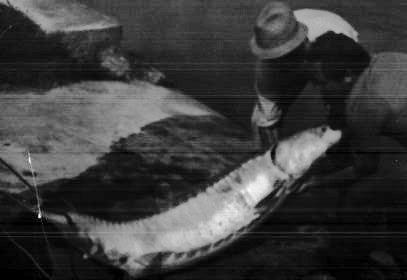
Historically the Caspian Sea basin was the world’s principal source of wild sturgeon caviar; nations bordering that sea supplied most exports for centuries. Major historical producers included countries such as Iran and Russia, with much of the catch originating in the Caspian Sea. Overfishing and habitat loss in the 20th century sharply reduced wild populations, prompting restrictions and the rise of aquaculture. Today, many legitimate caviar producers rely on regulated fish farms to meet demand while reducing pressure on wild stocks.
Conservation and Market Notes
Because several sturgeon species are threatened, international trade controls and conservation measures apply. Sustainable or farmed caviar is increasingly common and can be labeled to indicate origin and production method. Consumers and chefs often weigh cost, taste preferences and environmental impact when choosing caviar or alternative roes.
Importance and Uses
Caviar remains a luxury ingredient in haute cuisine, used as a garnish, flavor accent or center-stage appetizer. It is valued for its texture and subtle saline flavors rather than a single overpowering taste. In addition to traditional service on blinis or toast points, modern presentations pair caviar with neutral creams, soft eggs and chilled vodkas or dry sparkling wines to highlight its nuances.
Tags
Related articles
Author
AlegsaOnline.com Caviar: Sturgeon Roe, Production, Culinary Use, and Conservation Leandro Alegsa
URL: https://en.alegsaonline.com/art/17740