
Casserole: one‑dish baked meals, techniques, history and common varieties
Casserole denotes a class of baked, one‑dish meals prepared in a deep vessel with a binding liquid. This article covers characteristics, ingredients, techniques, history, regional types, and practical tips.
Overview
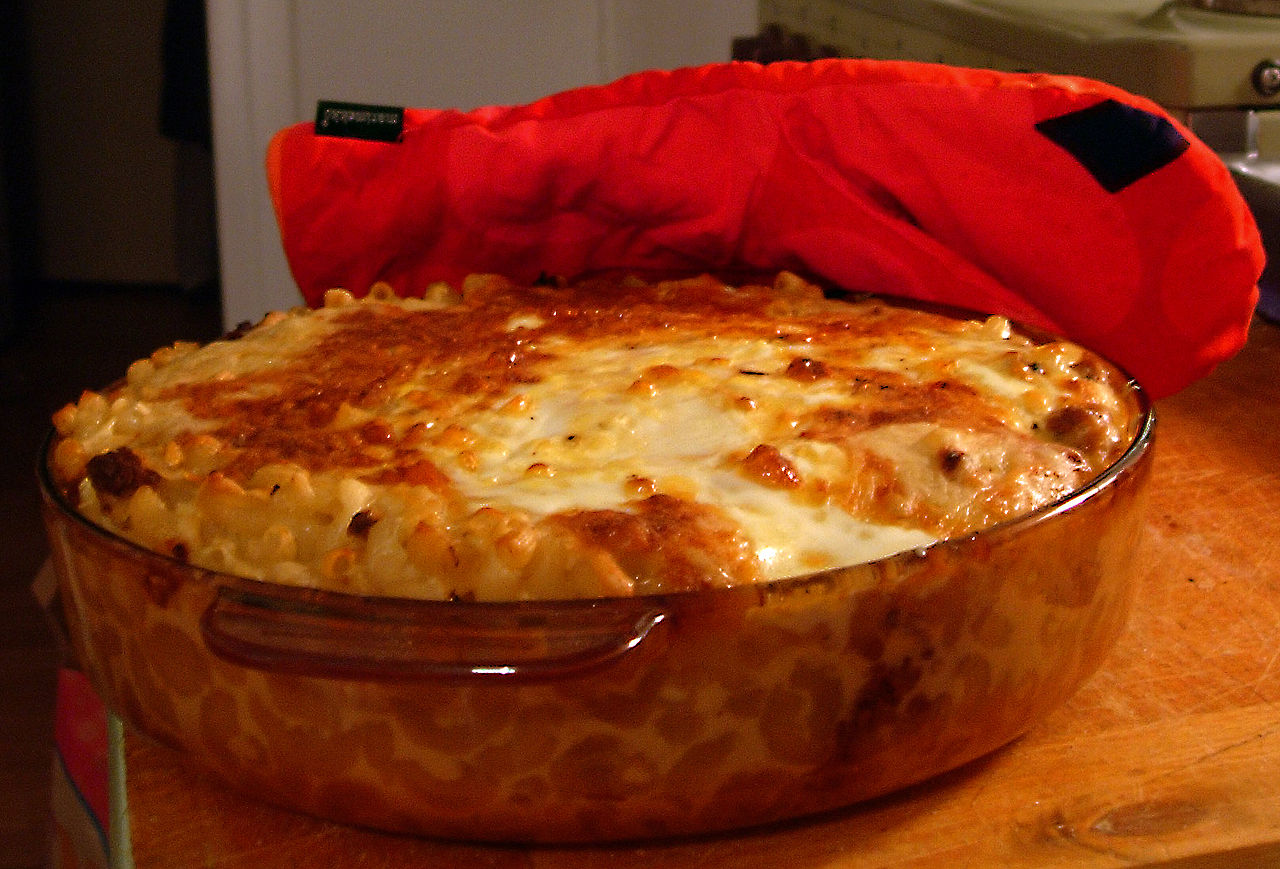
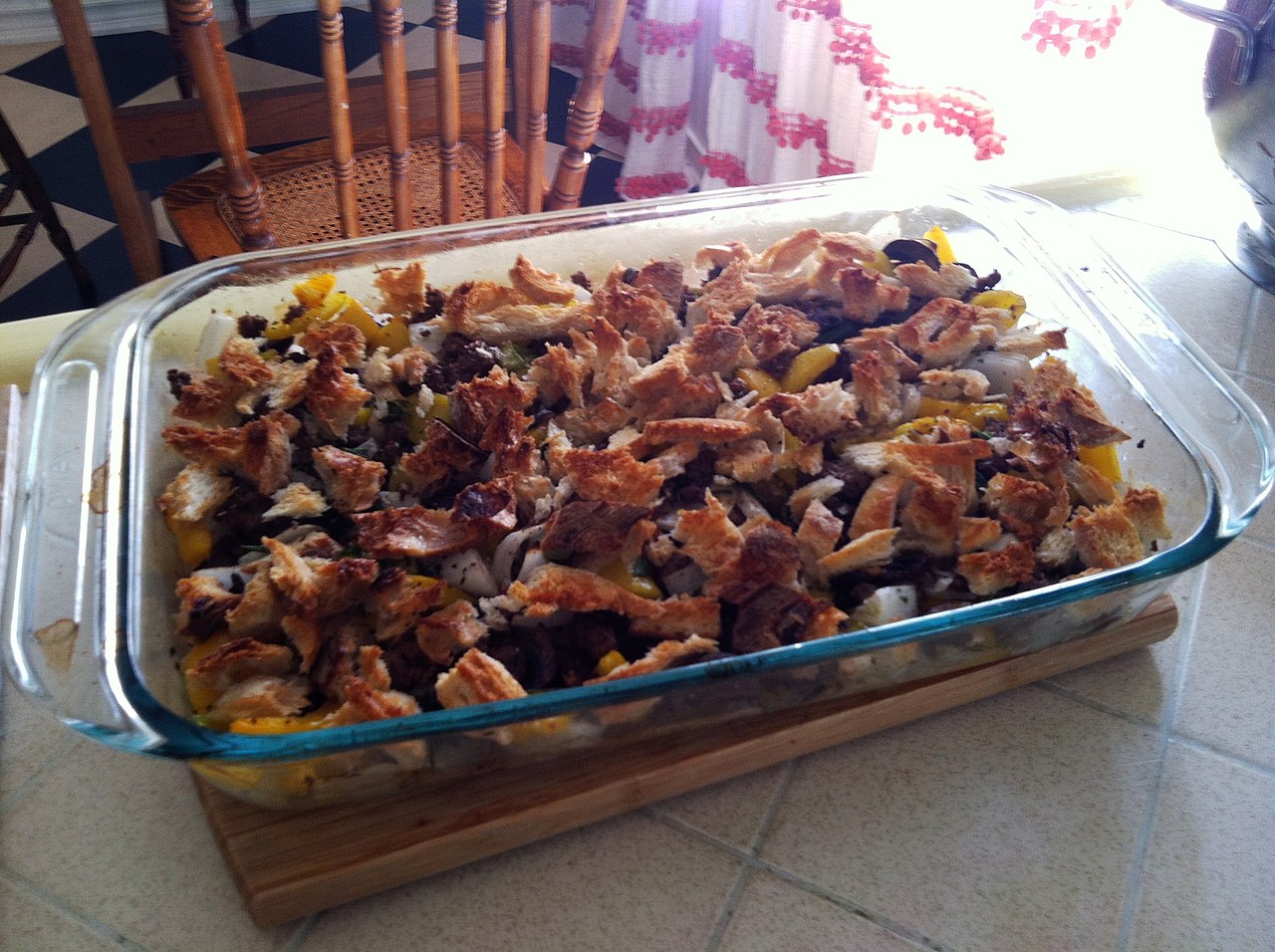
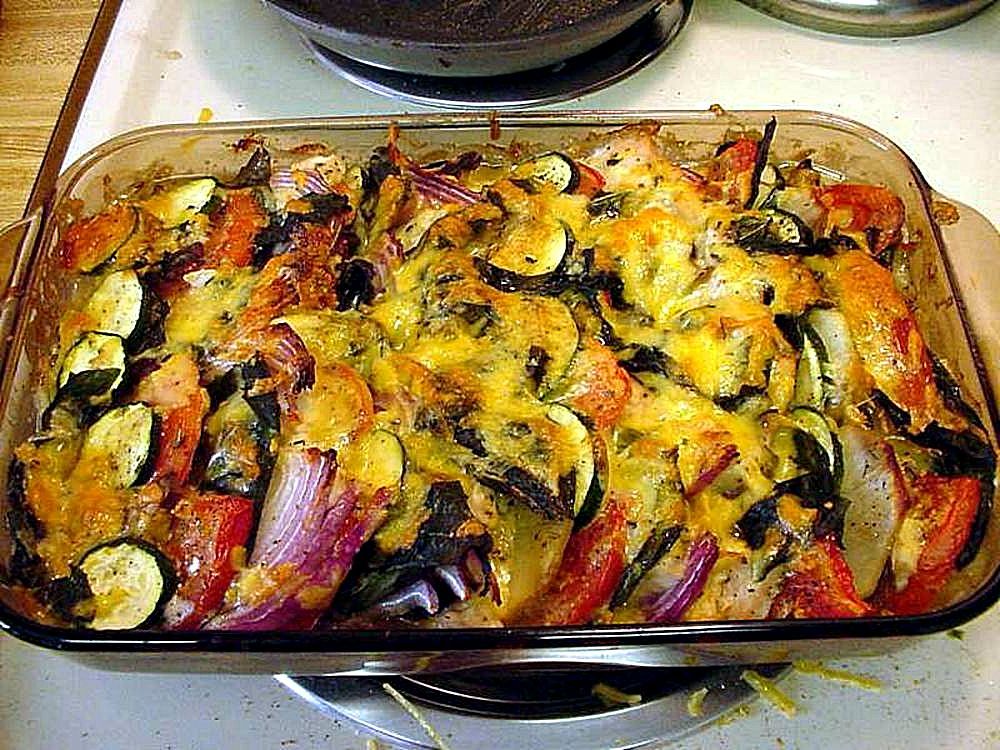
A casserole is both a style of prepared food and the vessel in which it is cooked. In culinary usage the word describes a mixed assembly of ingredients—protein, vegetables, a starch and a binder—combined and baked slowly in a deep, oven‑safe dish. The binder or sauce holds the ingredients together and promotes even heat transfer so the components meld into a single, sliceable or scoopable dish.
Image gallery
5 Images

Typical components and structure
Most casseroles include a few consistent elements: a base starch (rice, pasta, potatoes or grains), a protein (meat, poultry, fish, legumes or tofu), vegetables (fresh, frozen or canned), and a sauce or binder (stock, milk, béchamel, a roux or a commercial soup). A topping such as grated cheese, breadcrumbs or fried onions is commonly applied at the end of baking to provide color and texture.
Cooking technique
The hallmark of casserole cooking is slow, even baking. Ingredients are often partially cooked or preheated—sautéing aromatics or briefly simmering tougher meats—before assembly. The assembled dish is baked covered to retain moisture and then frequently finished uncovered to crisp or brown the surface. This method turns tough cuts tender and concentrates flavors while minimizing active attention from the cook.
Equipment and vessels
Casseroles are prepared in a range of oven‑proof dishes such as glass, ceramic, enameled cast iron or metal pans. The same term also refers to the vessel itself. Lids help trap steam for moist cooking; many recipes call for removing the lid during the last portion of baking to encourage browning. Sizes vary from individual servings to large pans for family meals.
History and linguistic background
The word casserole entered English from French, where it originally referred to a saucepan or broad, deep pan. The culinary approach of combining ingredients in a single pot or pan and cooking them slowly is ancient and appears in many cultures. European traditions that resemble modern casseroles include layered pastas, pot pies and gratins; similar techniques are found in North African, Middle Eastern and Asian oven or hearth dishes.
Regional forms and related dishes
Casserole methods are expressed in many regional preparations, often under other names. Examples include French cassoulet, British hotpots and pies, North African tajines, layered Italian pasta bakes such as lasagne, and various gratins and timballos. Stews and ragouts that are finished in an oven or transferred to a deep dish for baking share technique and purpose; see recipes for ragout and stew for comparisons.
Common examples and popular recipes
Well known examples of casseroles include macaroni and cheese, shepherd's pie (or cottage pie), rice‑based bakes, and mixed vegetable or green bean casseroles. In the United States, mid‑20th century convenience ingredients such as canned soups and frozen vegetables made particular casserole styles widespread in home cooking and potlucks.
Nutrition and economical cooking
Casseroles can be a practical way to stretch ingredients and balance nutrition. By combining modest portions of protein with inexpensive starches and vegetables, cooks can produce filling meals with controlled portioning. Using legumes, whole grains and a variety of vegetables increases fiber and micronutrient content.
Preparation and food‑safety tips
To ensure safe reheating and even cooking, preheat the oven and allow assembled dishes to reach a safe internal temperature before serving. When using leftovers, reheat thoroughly and keep refrigeration times within recommended limits. If a recipe calls for partially cooking meat or rice before assembly, follow those steps to prevent undercooking.
Variations and adaptations
Cooks adapt casseroles to dietary needs and ingredients on hand: vegetarian and vegan binders can replace dairy, gluten‑free starches stand in for traditional pastas, and spices or herbs reflect regional flavor profiles. Leftover roast meats, grains and seasonal vegetables are frequently transformed into new casserole dishes.
Serving, storage and reheating
Casseroles are commonly served directly from the baking dish and store well in shallow airtight containers for refrigeration or freezing. For best quality, cool dishes quickly before refrigerating and reheat in an oven or covered microwave until steaming hot. Freezing can extend shelf life but may alter the texture of cream sauces or some vegetables.
Cultural notes and resources
The casserole's appeal lies in convenience, thrift and comfort: a single dish provides a balanced meal, feeds groups easily and suits batch cooking. For recipe collections, technique guides and regional variations consult cookbooks, culinary schools and dedicated recipe archives; many online resources maintain searchable collections and step‑by‑step technique pages such as baked dishes, reference sites and cooking tutorials at technique pages. For more examples of related dishes see entries on hotpot and other one‑pot bakes (ragout, cassoulet, stew, lasagne).
Related articles
Author
AlegsaOnline.com Casserole: one‑dish baked meals, techniques, history and common varieties Leandro Alegsa
URL: https://en.alegsaonline.com/art/17434