
Cauldron: large cooking vessel, history, uses and cultural meanings
A cauldron is a large metal cooking vessel heated over fire. This article explains its construction, materials, historical development, practical uses, and cultural symbolism.
Overview
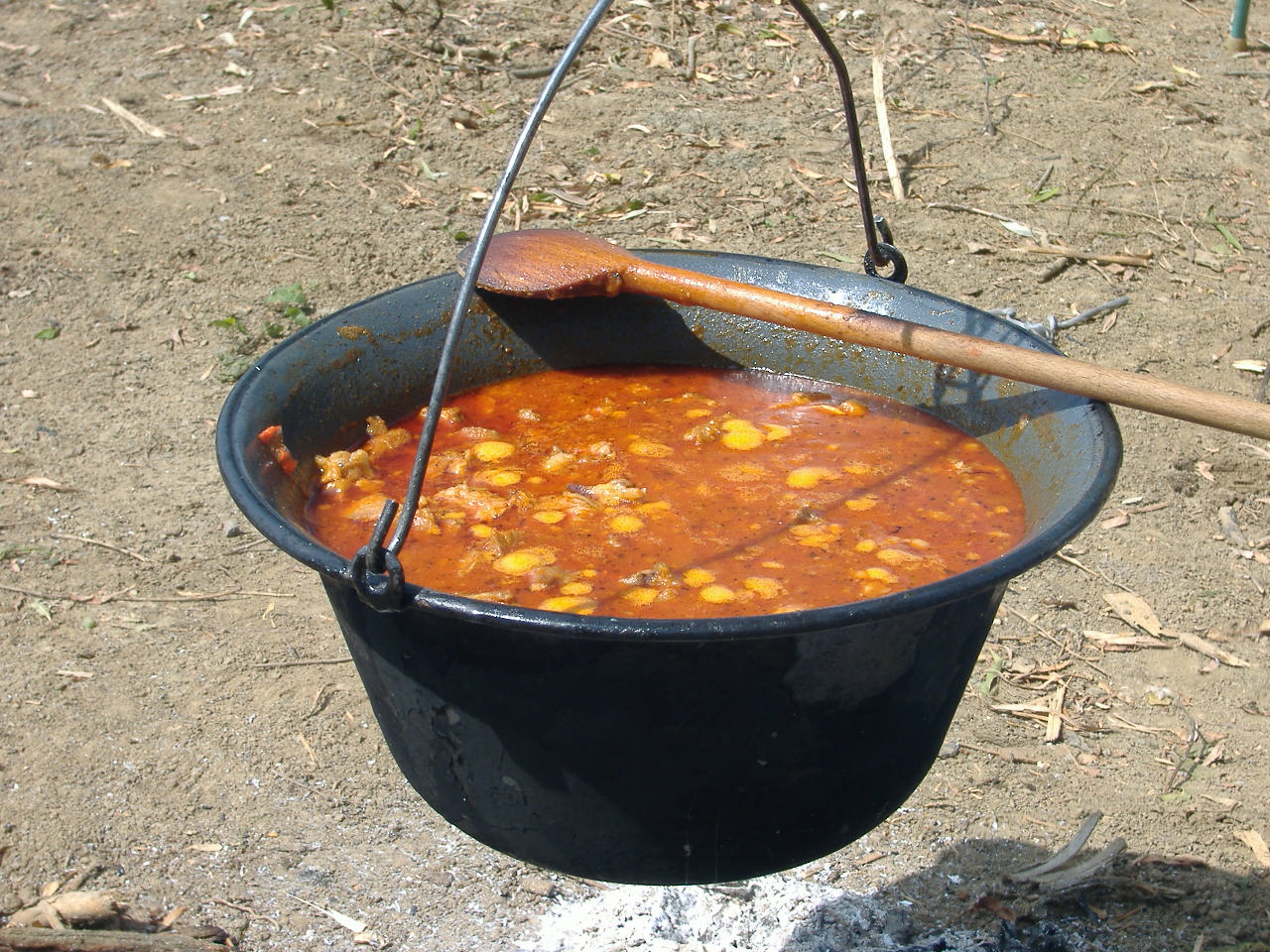
A cauldron is a substantial metal pot designed for heating liquids and preparing food over direct heat. The word traces to Latin caldarium, meaning a hot bath, and has been applied to broad, deep vessels used for boiling, stewing, brewing and other thermal processes. In everyday language a cauldron is often contrasted with a smaller kettle or a modern range-top saucepan; it is typically built to stand above an open fire or hang from a tripod and to hold large quantities.
Image gallery
10 Images



Characteristics and construction
Traditionally a cauldron is made of metal to withstand repeated heating. Many historic and surviving examples are cast in cast iron, though bronze, copper and other alloys have been used. Common features include a wide mouth for stirring and access, a rounded belly to concentrate heat, and one or more handles or a bail for lifting. Sizes range from small household pans to very large vessels used for communal cooking or industrial tasks such as rendering fat.
History and cultural significance
Large pots like cauldrons appear in archaeological contexts across multiple cultures: from ancient bathing and cooking traditions in Roman and medieval Europe to domestic and communal uses elsewhere. In folklore and literature the cauldron acquires symbolic weight. It is often linked to ritual, transformation and mystery; this association has led to a strong connection with images of witches brewing potions in popular imagination. The Latin origin highlights the long association with heat and boiling; the term also crossed into trade and measurement vocabulary.
Practical uses and examples
- Cooking: large stews, porridge and soups for groups.
- Industrial or craft uses: dyeing textiles, soap-making and rendering animal fats.
- Communal and ceremonial: feasts, neighborhood kitchens and traditional celebrations.
- Historical measurement: the word has been used as a unit or reference in contexts such as a coal measure.
Distinctions and notable facts
Compared with a household metal pot, a cauldron emphasizes capacity and direct-fire suitability. Modern cookware that serves similar functions includes the Dutch oven and large stockpots, but these are adapted to stoves and ovens rather than open hearths. Cauldrons remain in use in historical reenactment, traditional crafts and some regional cuisines; they also persist in art and media as powerful cultural symbols.
Further reading and resources: metal pot, kettle, open fire cooking, folklore and witchcraft, cast iron cookware, historical measures.
Related articles
Author
AlegsaOnline.com Cauldron: large cooking vessel, history, uses and cultural meanings Leandro Alegsa
URL: https://en.alegsaonline.com/art/17689