
Carl Wilhelm Scheele — 18th‑century chemist who discovered oxygen and chlorine
German‑Swedish pharmaceutical chemist (1742–1786). Scheele identified oxygen and a chlorine‑bearing gas among many compounds; his precise apothecary work advanced analytical chemistry and produced durable—and toxic—pigments.
Overview
Carl Wilhelm Scheele (9 December 1742 – 21 May 1786) was a German‑born, Swedish‑trained pharmaceutical chemist whose careful experiments led to the isolation or identification of many chemical substances. He was born in Stralsund, then part of Western Pomerania, and is often described in modern accounts as a German chemist who worked in Sweden. Scheele combined hands‑on pharmacy practice with systematic laboratory tests to explore gases, acids and organic extracts.
Image gallery
9 Images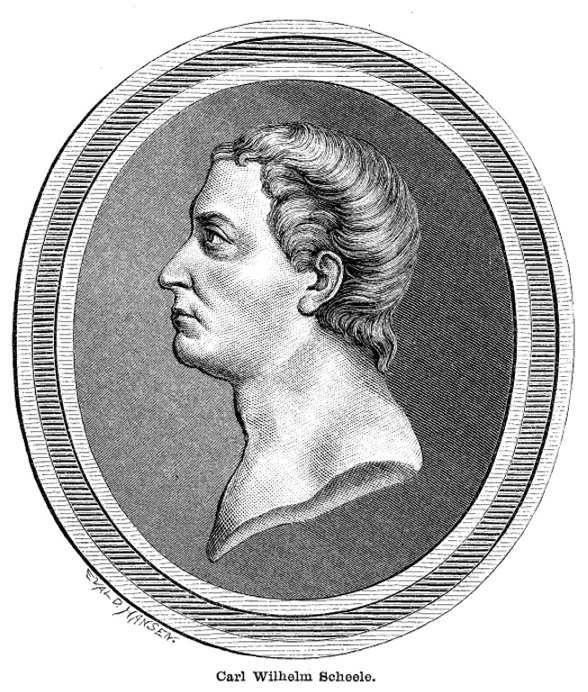




Contributions and discoveries
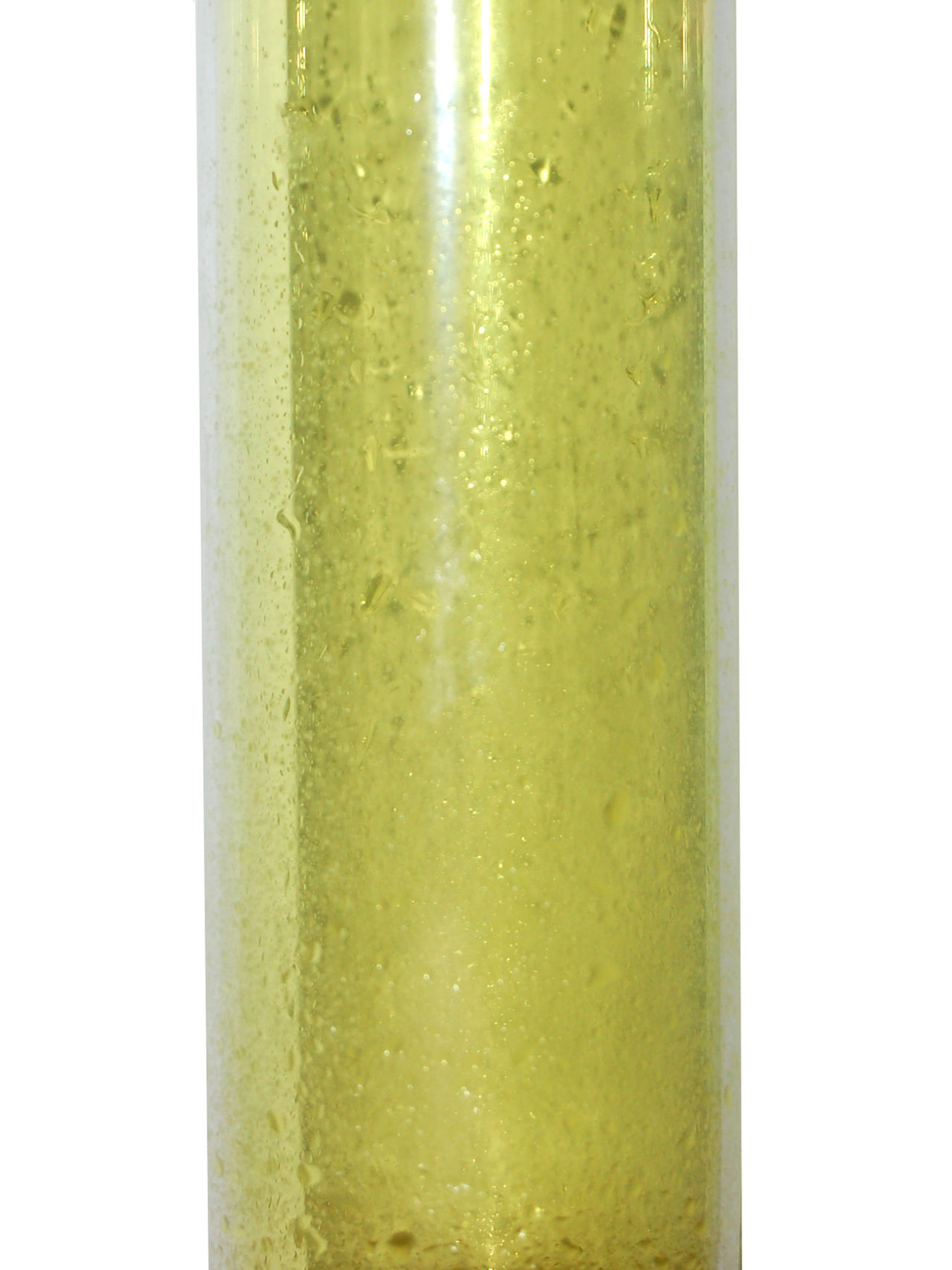
Scheele prepared and characterized many substances that were important for later chemistry. Notably, he produced what we now call oxygen in the early 1770s but communicated his results after others; Joseph Priestley later published on the gas and is often credited in English sources (Priestley). Scheele also generated a greenish, bleaching gas in experiments with hydrochloric acid and manganese oxides; he described its unusual properties long before others recognized it as an elemental halogen—later named chlorine by Humphry Davy.
Methods and working life
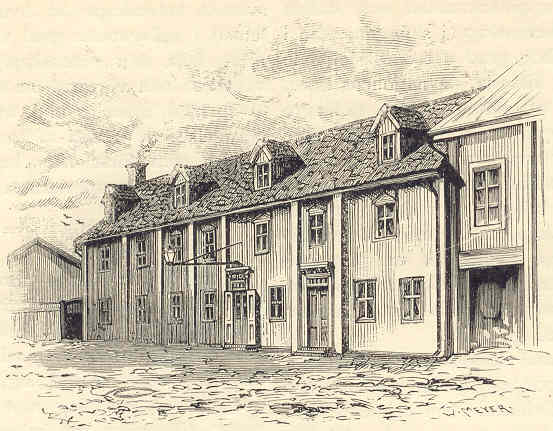
Working as an apothecary gave Scheele access to a wide range of materials and practical techniques: distillation, crystallization and reactions of mineral and organic samples. His notes show methodical variation of reagents and careful observation of colors, smells and physical changes. That pragmatic, empirical approach is typical of 18th‑century chemical practice and helped him isolate organic acids, produce glycerine‑like substances and investigate salts and minerals.
Health, hazards and later reputation
Scheele handled many toxic substances without modern protections. Contemporary and later accounts suggest that chronic exposure to arsenic, mercury and other poisons contributed to his early death at age 43. His name survives in both positive and cautionary ways: useful analytical methods and reagents on the one hand, and hazardous materials—most famously the arsenic‑based pigment called Scheele's Green—on the other.
Notable facts and legacy
- Broad influence: Scheele's experimental records fed into the growing chemical literature of the late 18th century and helped shape analytical techniques.
- Timing vs. publication: He often discovered substances before others but published later or communicated results through intermediaries, so credit in historical accounts can be complex.
- Range of work: In addition to gases, his work touched on organic acids, reducing agents and pigments that influenced industrial and scientific uses.
For readers seeking primary sources or modern summaries, consult specialized histories of chemistry and museum collections that preserve Scheele's correspondence and laboratory notes. His life exemplifies how skilled apothecaries of the 18th century moved science forward through meticulous empirical work.
Related articles
Author
AlegsaOnline.com Carl Wilhelm Scheele — 18th‑century chemist who discovered oxygen and chlorine Leandro Alegsa
URL: https://en.alegsaonline.com/art/17018