
Cast iron: types, properties, history and uses
Concise overview of cast iron: composition, major types and microstructures, key properties, manufacturing and heat treatments, common applications, historical context, recycling and material selection guidance.
Cast iron refers to a family of ferrous alloys produced by melting iron and pouring the liquid metal into molds. It is characterized by a relatively high carbon content compared with steels and by a range of solidification microstructures that strongly influence properties. In technical texts cast iron is described as an alloy of iron with significant carbon and commonly with silicon, manganese and other minor elements.
Image gallery
10 Images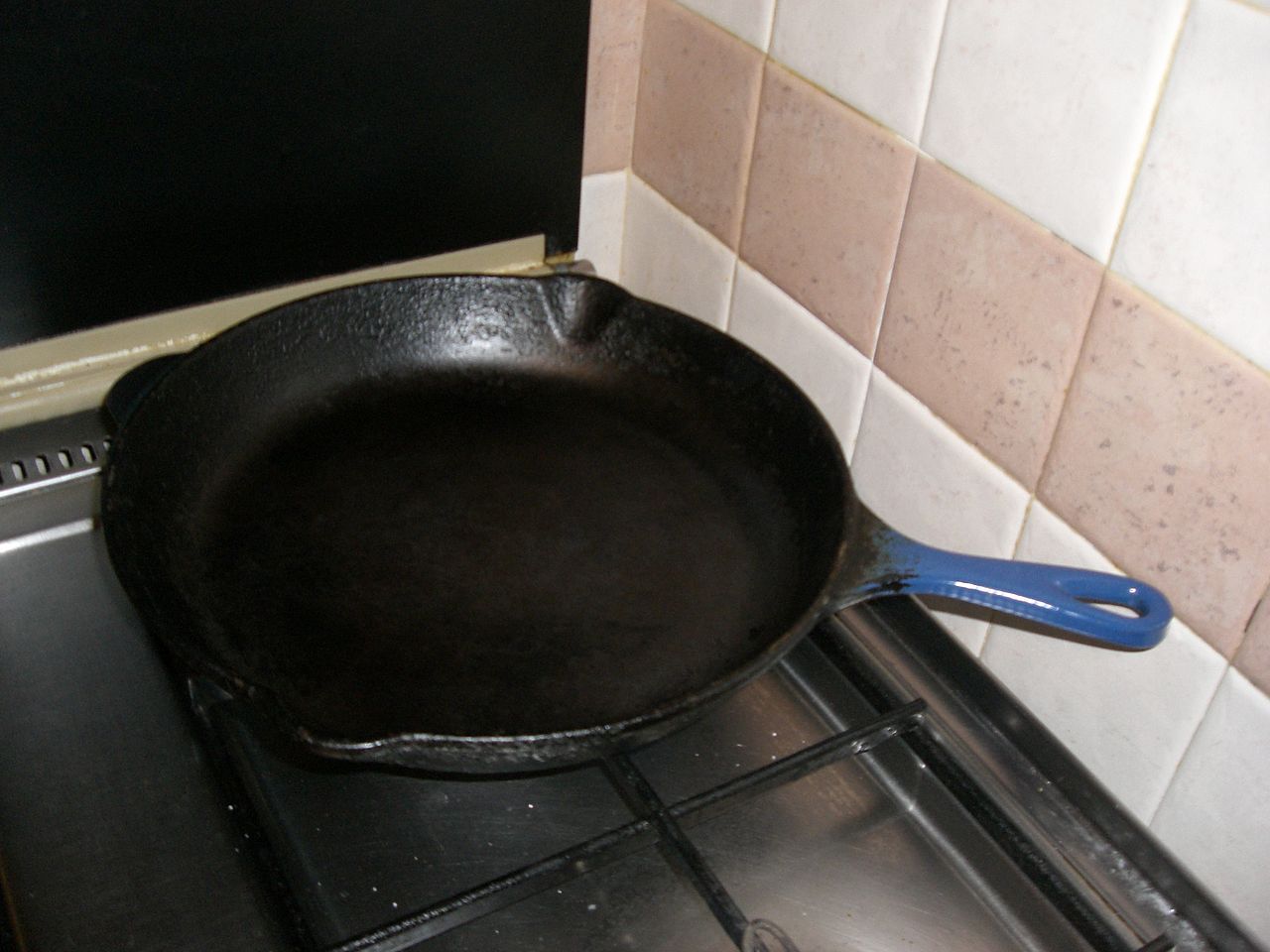


Major types and microstructure
Classification is typically made by the form taken by carbon in the solid metal and by specific processing routes. Common families include:
- Grey cast iron — carbon precipitates as graphite flakes in the matrix. The flake morphology gives a characteristic grey fracture surface and imparts good damping, machinability and thermal conduction. Silicon in the melt tends to promote graphite formation (silicon effects).
- White cast iron — carbon is present mainly as iron carbide (cementite), producing a hard, abrasion-resistant but brittle material with a white fracture appearance.
- Ductile (nodular) cast iron — additions such as magnesium or rare-earth elements modify graphite into spheroidal nodules, greatly improving tensile strength and ductility compared with grey iron.
- Malleable cast iron — produced by heat treating white iron so that cementite decomposes to more rounded temper carbon, yielding improved toughness.
- Compacted graphite and austempered grades — intermediate graphite forms or special heat treatments (for example austempering to produce ADI) give combinations of strength, ductility and wear resistance not available in basic grades.
Composition, transformations and processing
Key compositional factors include overall carbon and silicon content and cooling rate during solidification. Carbon greater than in steels tends to form graphite or carbides (carbon chemistry), and the balance between graphite and cementite governs whether the iron is grey or white. Foundry practice—melt chemistry, inoculation, pouring temperature and mold design—controls microstructure and thus performance. Thermal processing such as annealing, normalizing or austempering further tailors hardness, toughness and wear resistance.
Properties and practical considerations
Cast irons are valued for good compressive strength, wear resistance and low cost. Grey irons offer excellent vibration damping and thermal conductivity, making them suitable for machine bases, cookware and heat-retaining parts. White irons resist abrasion and are used for wear surfaces and liners. Ductile irons provide a balance of strength and toughness for structural components and automotive parts. Machinability, weldability and heat treatment response vary widely among grades, so selection depends on the intended load, environment and fabrication method. Thermal behavior and heat-transfer capability are important in applications where temperature distribution matters (thermal considerations).
Applications and examples
Typical uses include engine blocks and cylinder heads, brake discs and drums, pipes and fittings, pump housings, machine tool frames, agricultural implements, cookware and wear-resistant liners. Designers choose specific cast iron types to exploit properties such as damping, thermal mass, abrasion resistance or ease of casting complex shapes.
History, recycling and standards
Cast iron has long historical roots and became widely used as founding and blast-furnace technologies developed. Modern production emphasizes control of composition and microstructure and benefits from widespread recycling: scrap iron and steel are routinely re-melted in foundries. Selection and specification are guided by national and international standards and by material datasheets; engineers consult industry literature for grade comparisons and processing recommendations (alloy selection and iron references).
For further technical background see resources on silicon effects (silicon), carbon metallography (carbon), graphite formation (graphite) and thermal properties (thermal).
Questions and answers
Q: What is cast iron?
A: Cast iron is an alloy of iron that is usually referred to as grey cast iron.
Q: How many main types of cast iron are there?
A: There are two main types of cast iron: grey cast iron and white cast iron.
Q: What are the differences between grey cast iron and white cast iron based on?
A: The differences between the two are mainly based on the amount of silicon in the alloy.
Q: How much iron is in all cast iron?
A: All cast iron has about 95% iron in it.
Q: What is the amount of silicon present in grey cast iron?
A: Grey cast iron has 3% silicon and 2% carbon.
Q: What causes the carbon in grey cast iron to change into graphite?
A: The silicon in grey cast iron causes the carbon to change into graphite.
Q: Why is grey cast iron often used to make cookware?
A: Grey cast iron is very good at conducting heat, which makes it often used to make cookware.
Tags
Related articles
Author
AlegsaOnline.com Cast iron: types, properties, history and uses Leandro Alegsa
URL: https://en.alegsaonline.com/art/17453