
Carmine (color)
Carmine is a vivid deep red hue derived from a natural pigment produced by scale insects; historically prized in art, textiles, cosmetics, and food coloring.
Overview
Carmine denotes a rich, deep red hue that has been valued for centuries as both a pigment and a color name. The term often describes shades that sit between true red and crimson, with a slightly bluish undertone that gives carmine its distinctive depth. The phrase deep red is commonly used to describe the general appearance of carmine across applications.
Image gallery
1 Image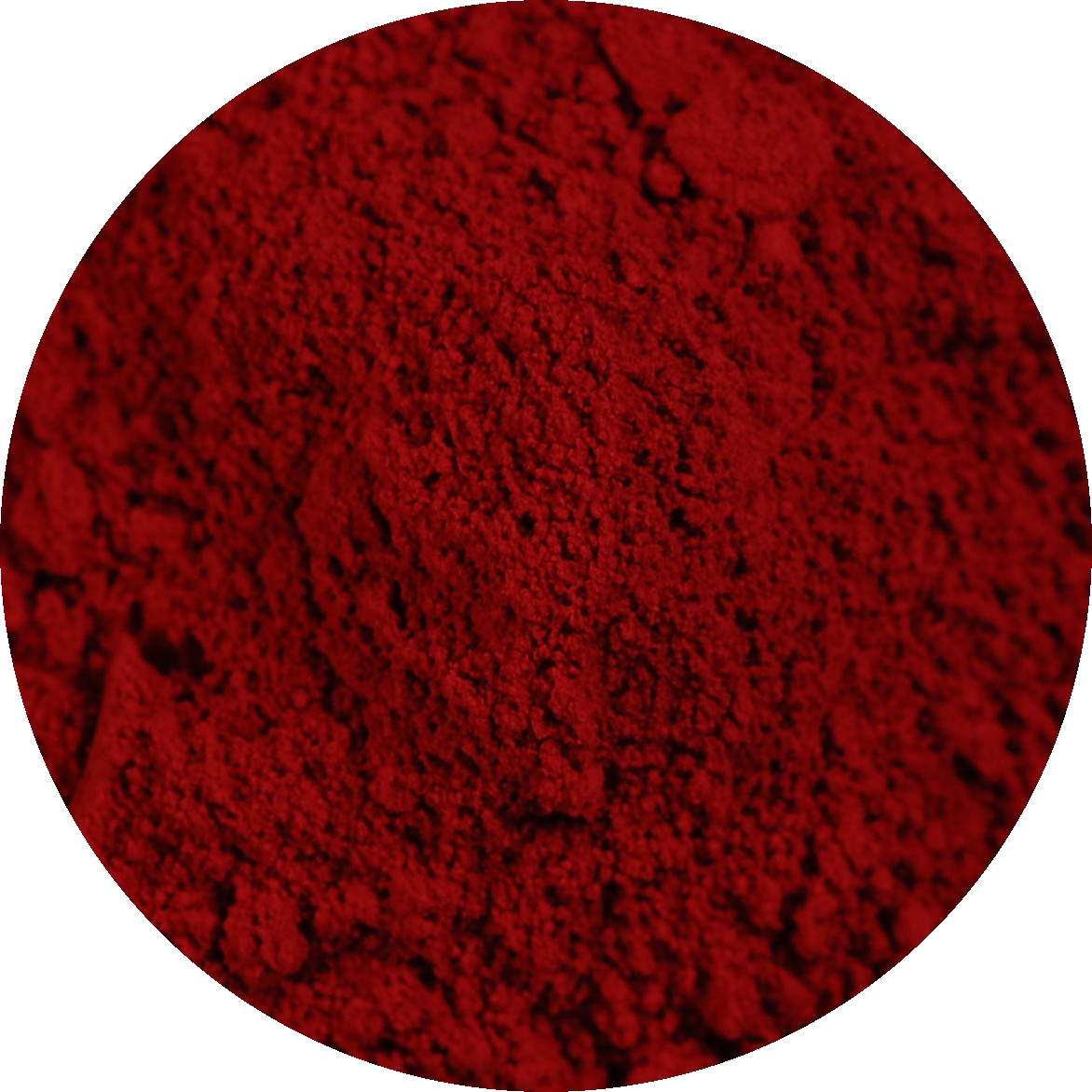
Characteristics and variants
Carmine is not a single fixed shade but a family of closely related reds. Variations arise from the concentration and processing of the pigment, which produces tones ranging from muted, earthy reds to bright, glossy reds used in textiles and cosmetics. Some gemstones, including certain varieties of rubies, can resemble the richer carmine tones. The unrefined material presents one shade, while chemical treatment or mixing with other binders and dyes yields lighter, more saturated, or more transparent versions similar to what artists and manufacturers select for specific effects.
Origin and historical background
The name and the classic shade trace back to the natural pigment obtained from insect-derived carminic acid. Historically this pigment came from scale insects such as the scale insects used to produce dye, most famously the cochineal. Extraction and use of the pigment spread widely after European contact with the Americas, where cochineal had been an important dye. The earliest recorded use of "carmine" as a color name in English dates to around 1523, reflecting its long presence in textile and decorative traditions.
Uses and examples
Carmine pigment — sometimes referred to in its processed form as the raw pigment when describing the natural extract — has been used in many domains. Typical uses include:
- Textiles and historical garments, where its stability and vividness were prized.
- Artists' paints and traditional inks, valued for their luminous red tones.
- Cosmetics and rouge, where a natural red dye was historically sought for lip and cheek color.
- Food and confections, where carmine-based colorants have been applied; today such ingredients are labeled as carmine or cochineal on many product labels.
Distinctions and notable facts
While closely related to crimson and scarlet, carmine typically reads as darker and slightly cooler than scarlet and more saturated than many vermilions. That subtle distinction is significant in design and conservation: natural carmine can age differently than synthetic dyes and may require special handling in art restoration. Modern industry offers synthetic reds that mimic carmine’s appearance without using animal-derived materials; nonetheless, authentic carmine remains notable for its historical use and its particular tonal qualities that are still sought after for period-accurate reproduction and specialty products.
Questions and answers
Q: What is carmine?
A: Carmine is a general term for a particularly deep red color.
Q: Where do scale insects like cochineal and Polish cochineal produce carminic acid?
A: Scale insects like cochineal and Polish cochineal produce carminic acid in their bodies.
Q: What is the raw color of the pigment carmine?
A: The raw color of the pigment carmine is a deep red color.
Q: What are some products that use the pigment carmine?
A: The pigment carmine is used in the manufacture of artificial flowers, paints, rouge, yogurt, cosmetics, food additives, and crimson ink.
Q: How are lighter, richer, or brighter colors produced from the raw pigment of carmine?
A: Lighter, richer, or brighter colors are produced from the raw pigment of carmine through processing.
Q: When was the first recorded use of carmine as a color name in English?
A: The first recorded use of carmine as a color name in English was in 1523.
Q: Are all rubies colored carmine?
A: No, not all rubies are colored carmine, but some are.
Related articles
Author
AlegsaOnline.com Carmine (color) Leandro Alegsa
URL: https://en.alegsaonline.com/art/17139