
Chlorine: properties, history, production and uses
Chlorine is a reactive, greenish‑yellow halogen gas (Cl) used widely in water treatment, industry and chemistry; it has two stable isotopes and is produced mainly by electrolysis of brine.
Overview
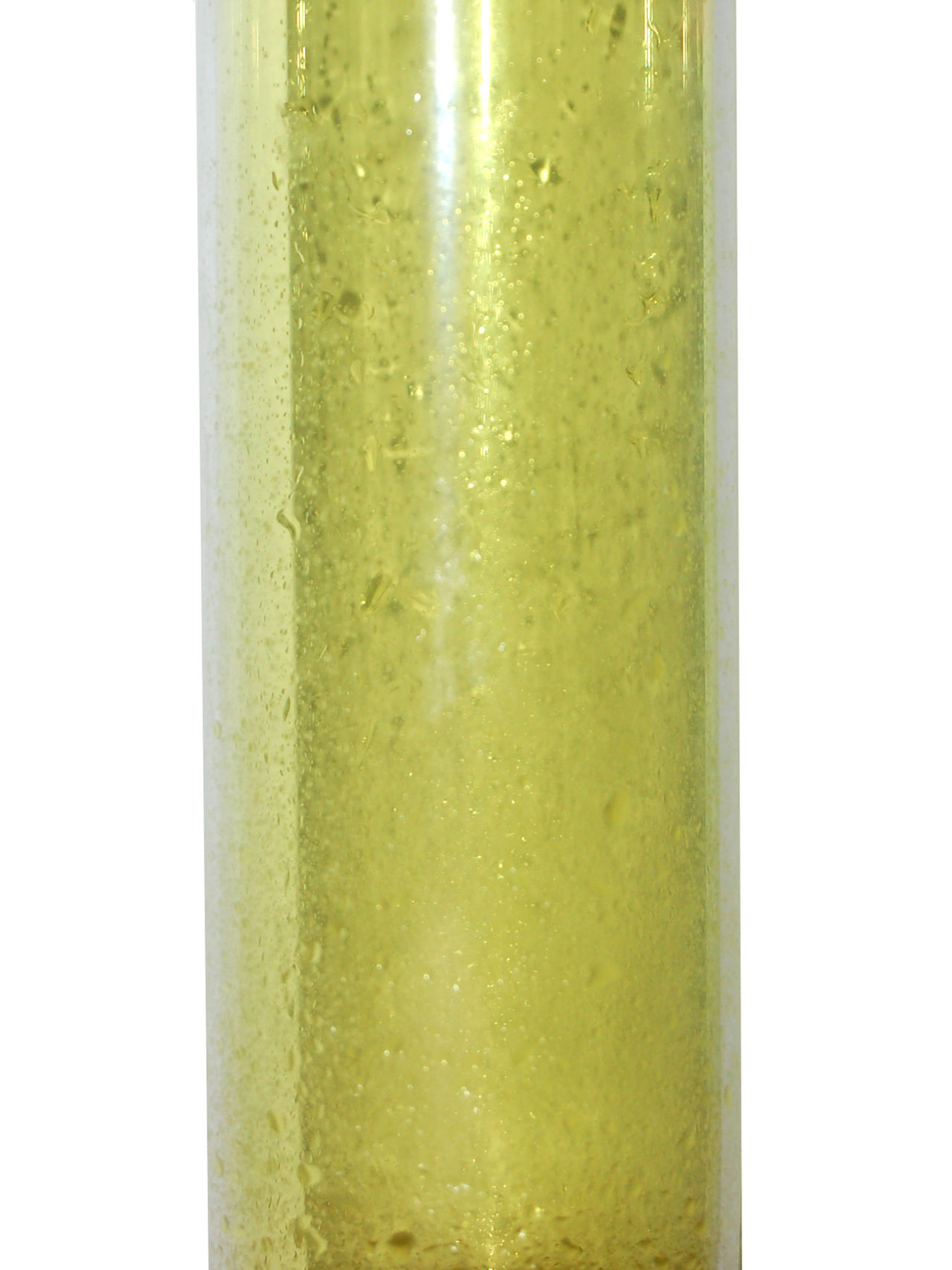
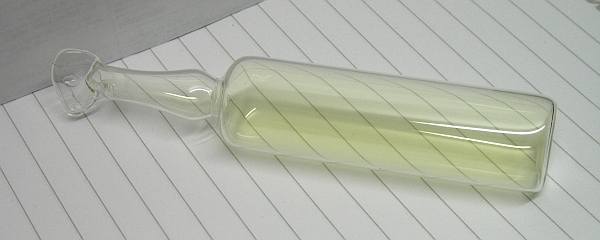
Chlorine (Cl) is a chemical element (element) with atomic number 17 and an average atomic mass of about 35.45. It belongs to the halogen family (halogens) in the periodic table. At standard conditions chlorine exists mainly as a diatomic gas (Cl2) with a characteristic greenish‑yellow color and a strong, irritating odor. It is a powerful oxidizing agent and readily forms chloride anions (Cl−) when it gains an electron.
Image gallery
10 Images


Physical and chemical characteristics
Chlorine is highly reactive: it combines with many metals and nonmetals to form salts and covalent compounds. Common stable isotopes are 35Cl and 37Cl, which give the element its average atomic mass. It is more electronegative than most elements and typically exhibits a −1 oxidation state in ionic compounds, though positive oxidation states occur in some molecular species.
History and naming
Elemental chlorine was first recognized in the 18th century; early chemists isolated a pungent gas from reactions involving hydrochloric acid and oxidizing agents. The name "chlorine," derived from the Greek word for green, was adopted in the early 19th century when the element's distinctive color became widely noted.
Production and principal uses
Industrial production is dominated by the chloralkali process, in which brine (salt water) is electrolyzed to give chlorine gas, sodium hydroxide and hydrogen. Key uses include:
- Water disinfection and sanitation (municipal and swimming pools).
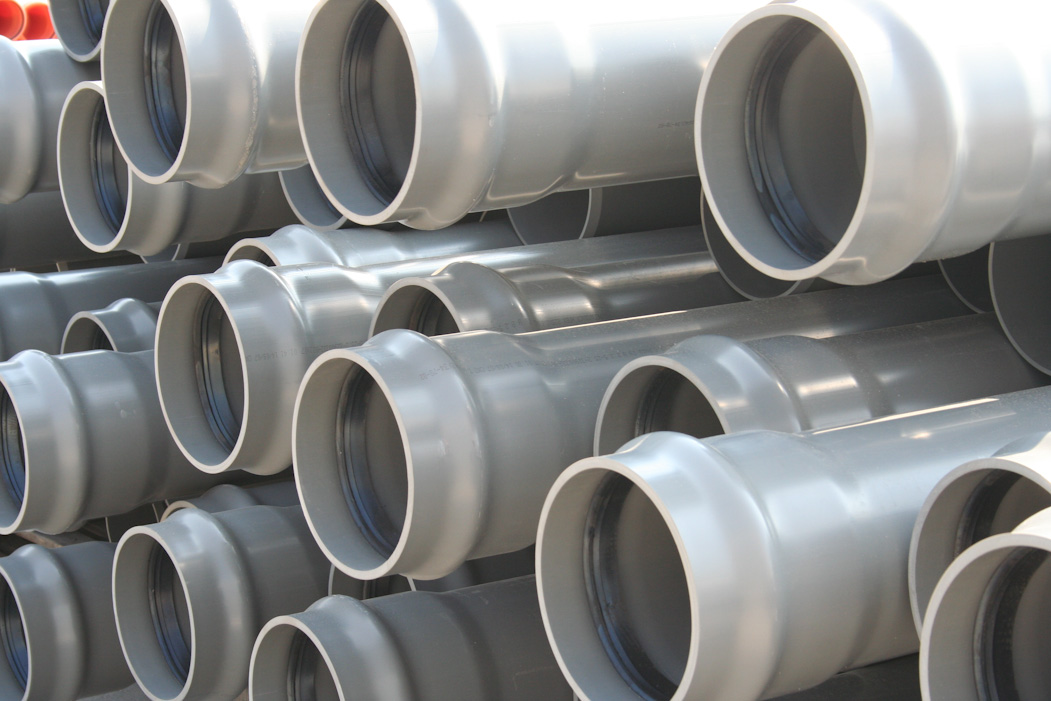
- Manufacture of polyvinyl chloride (PVC) and other chlorine‑containing polymers and chemicals.
- Bleaching agents for paper and textiles, and household bleach.
- Intermediates for pharmaceuticals, agrochemicals and solvents.
Safety, environmental and notable facts
Elemental chlorine gas is toxic and can damage respiratory tissues; it was also used as a chemical weapon in World War I. Many chlorine‑containing organic compounds have significant environmental impacts: for example, chlorofluorocarbons (CFCs) released chlorine radicals that contributed to ozone layer depletion. In contrast, simple inorganic chlorides like table salt are essential to life in moderate amounts. Handling and disposal of chlorine and its compounds are strictly regulated in most countries.
For further technical details and data tables consult specialized references or databases: Cl symbol page, element overview, atomic number, atomic mass, halogen group, periodic table.
Questions and answers
Q: What is Chlorine?
A: Chlorine is a chemical element.
Q: What is the chemical symbol for Chlorine?
A: The chemical symbol for Chlorine is Cl.
Q: What is the atomic number for Chlorine?
A: The atomic number for Chlorine is 17.
Q: What is the atomic mass of Chlorine?
A: The atomic mass of Chlorine is 35.45.
Q: Where is Chlorine located on the periodic table of elements?
A: Chlorine is located in the 7th column (halogens) on the periodic table of elements.
Q: How many protons does Chlorine have?
A: Chlorine has 17 protons.
Q: What category of elements does Chlorine belong to?
A: Chlorine belongs to the halogens category on the periodic table of elements.
Related articles
Author
AlegsaOnline.com Chlorine: properties, history, production and uses Leandro Alegsa
URL: https://en.alegsaonline.com/art/19892
Sources
- encyclopedia.airliquide.com : Chlorine
- www-d0.fnal.gov : Magnetic susceptibility of the elements and inorganic compounds
- wikidata.org : wikidata.org/wiki/Q688
- catalogue.bnf.fr : cb119811094
- data.bnf.fr : (data)
- d-nb.info : 4147748-0
- id.loc.gov : sh85024541
- id.ndl.go.jp : 00562008