
Joseph Priestley (1733–1804): chemist, clergyman, and discoverer of oxygen
English natural philosopher and Unitarian minister known for isolating oxygen, advancing pneumatic chemistry, promoting religious dissent, and emigrating to the United States.
Joseph Priestley was an English scientist, dissenting clergyman, educator and writer born in 1733 and deceased in 1804. He combined religious ministry with experiments in electricity and gases, publishing influential accounts of his work. Priestley is widely associated with the isolation of what he called "dephlogisticated air" on 1 August 1774 at Bowood House; that substance was later identified as oxygen. His life bridged scientific investigation, theological dissent and political engagement.
Image gallery
10 Images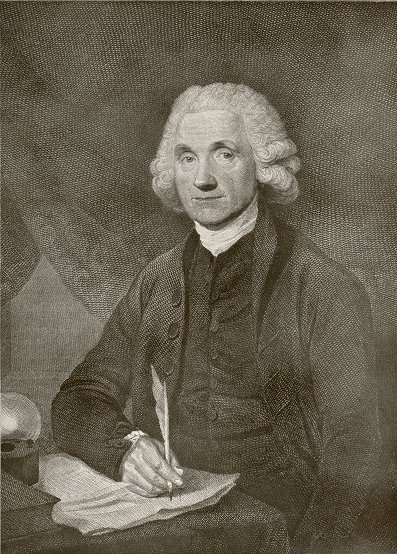


Life and career
Trained as a minister and tutor, Priestley was active in the networks of dissenting academies and Unitarian congregations. He held positions as a teacher, pastor and public intellectual and published on education, theology and history. His scientific pursuits were carried out alongside his roles as a philosopher and a clergyman. Priestley’s outspoken support for political reform and religious toleration provoked opposition in late-18th-century Britain.
Scientific contributions
Priestley’s laboratory work focused on gases and electrical phenomena. Using a pneumatic trough and other apparatus he developed, he studied many distinct airs, including carbon dioxide and nitric oxide, and described their properties in a series titled Experiments and Observations on Different Kinds of Air. He is often credited with isolating oxygen, though contemporaries such as Carl Wilhelm Scheele and Antoine Lavoisier contributed to the same discoveries and interpretive framework. Priestley maintained the phlogiston interpretation of combustion even as the chemical community shifted toward Lavoisier’s oxygen theory.
Ideas, controversies and emigration
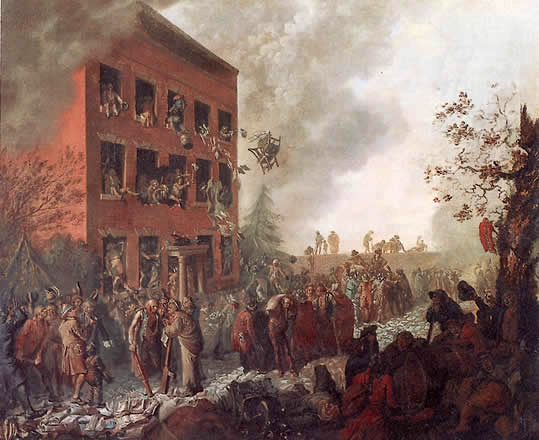
Beyond chemistry, Priestley wrote on theology, advocating Unitarian views and civil liberties. His political sympathies during the era of the French Revolution led to violent backlash in 1791 when a mob attacked his property in Birmingham. Afterwards he accepted an invitation to emigrate, settling in the United States where he continued to write and experiment until his death. Accounts of his life appear in biographies and primary sources; further context can be found by consulting works linked under education and scientific correspondence.
Legacy and notable facts
Priestley influenced the development of pneumatic chemistry and public debate on religion and reform. He developed practical techniques and apparatus still associated with early gas chemistry. His scientific reputation is mixed: admired for meticulous observation and communication, yet linked to a theoretical stance (phlogiston) that was soon superseded. For general readers and researchers, additional resources are available via specialized archives and collections (science, history).
- Key fields: experimental chemistry, theology, education
- Famous for: isolation of oxygen (as "dephlogisticated air"), studies of gases
- Later life: émigré to the United States after 1791
Related articles
Author
AlegsaOnline.com Joseph Priestley (1733–1804): chemist, clergyman, and discoverer of oxygen Leandro Alegsa
URL: https://en.alegsaonline.com/art/122937
Sources
- spartacus.schoolnet.co.uk : "Joseph Priestley"
- portal.acs.org : "Joseph Priestley: Discoverer of Oxygen"