
Canine distemper
Canine distemper is a contagious viral disease of dogs and many carnivores, causing respiratory, gastrointestinal and neurological signs; prevention relies on vaccination and wildlife monitoring.
Overview
Canine distemper is an infectious disease caused by a single‑stranded, negative‑sense RNA virus in the Morbillivirus genus. It primarily affects members of the order Carnivora and produces a spectrum of illness from mild respiratory signs to severe neurologic disease. The virus continues to be important in both domestic animals and wildlife despite widespread vaccination programs. For general disease information see disease resources.
Image gallery
4 Images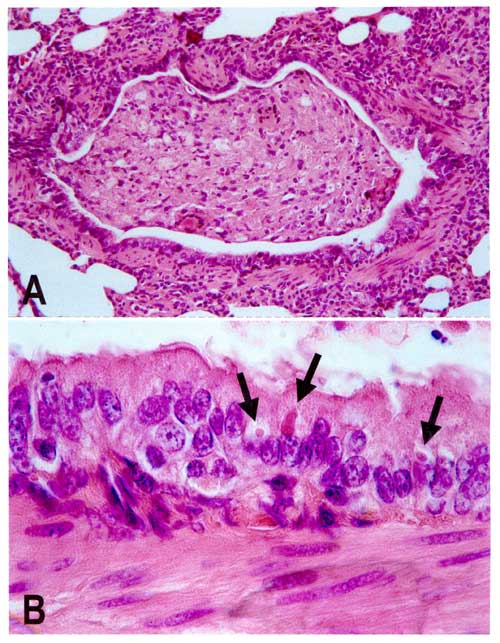


Host range and classification
The virus infects several families of carnivores. Typical hosts include:
- Canidae (dogs, wolves, foxes)
- Mustelidae and ferrets (ferrets are highly susceptible)
- Procyonidae (raccoons)
- Mephitidae and skunks (often implicated in spillover)
- Some large Felidae (wild cats can be infected, but domestic cats are affected by a different virus)
At the molecular level the agent is an RNA virus (single‑stranded RNA) in the family Paramyxoviridae, closely related to measles and rinderpest viruses.
Clinical signs and diagnosis
Clinical presentation is variable. Early signs commonly involve the respiratory and gastrointestinal tracts; later, survivors or some cases develop neurologic signs weeks to months after initial infection. Common findings include:
- Fever, nasal and ocular discharge
- Coughing and pneumonia
- Vomiting, diarrhea and dehydration
- Seizures, ataxia, muscle twitching and behavioral changes
Transmission is usually by aerosol or direct contact. Diagnosis combines clinical assessment with laboratory tests such as PCR, serology, and virus detection from swabs or tissues.
Prevention, treatment and control
There is no specific antiviral that reliably cures distemper; treatment is primarily supportive and aimed at managing secondary infections and neurologic complications. Preventive vaccination with modified‑live or recombinant vaccines is highly effective and is the cornerstone of control in domestic animals. Controlling exposure to wildlife reservoirs and prompt vaccination of susceptible animals help prevent outbreaks.
History and significance
Canine distemper has been recognized for more than a century and remains significant because of its broad host range and potential to cause high mortality in unvaccinated populations. Conservationists monitor distemper in wild carnivores because outbreaks can threaten endangered species. For more detailed references and guidance see general references and veterinary sources such as clinical guidelines or species‑specific advisories at Canidae resources and wildlife health pages.
Additional information is available from veterinary textbooks and public health materials; for further reading consult online resources at conservation pages, comparative virology, and laboratory reference sites for ferrets, on viral structure, and paramyxovirus family.
Related articles
Author
AlegsaOnline.com Canine distemper Leandro Alegsa
URL: https://en.alegsaonline.com/art/16557