
Canidae: the family of dogs, wolves, foxes and their relatives
Canidae is the mammal family that includes domestic dogs, wolves, foxes, coyotes and jackals. This article summarizes their traits, classification, evolution, behavior, human relationships and conservation concerns.
Overview
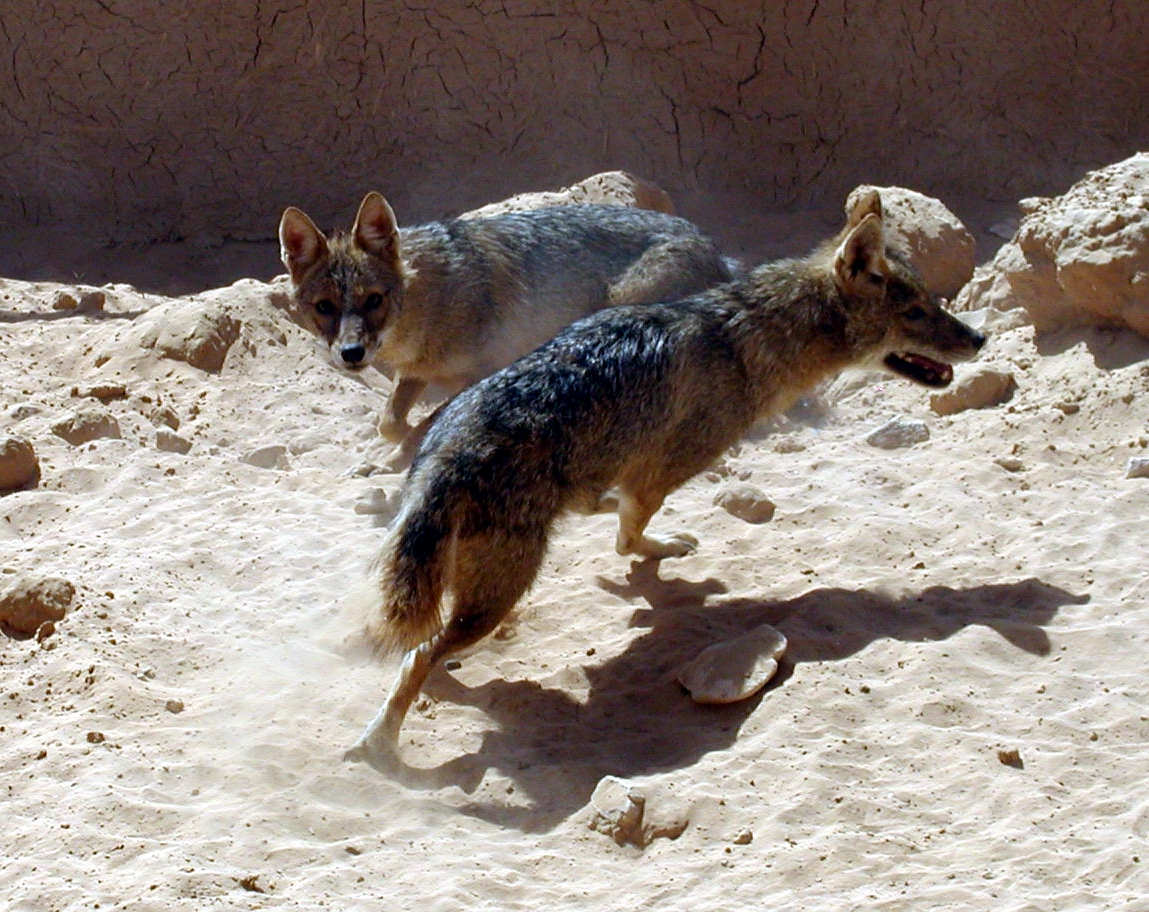
The Canidae are a family of animals within the broader grouping of mammals and the order Carnivora. Members of this family are commonly called canids and exhibit a wide range of diets from largely carnivorous and omnivorous habits to more specialized feeding strategies. Canids are found across most of the world and include familiar animals such as the dog, wolf, fox, coyote and various jackals.
Image gallery
10 Images






Characteristics and anatomy
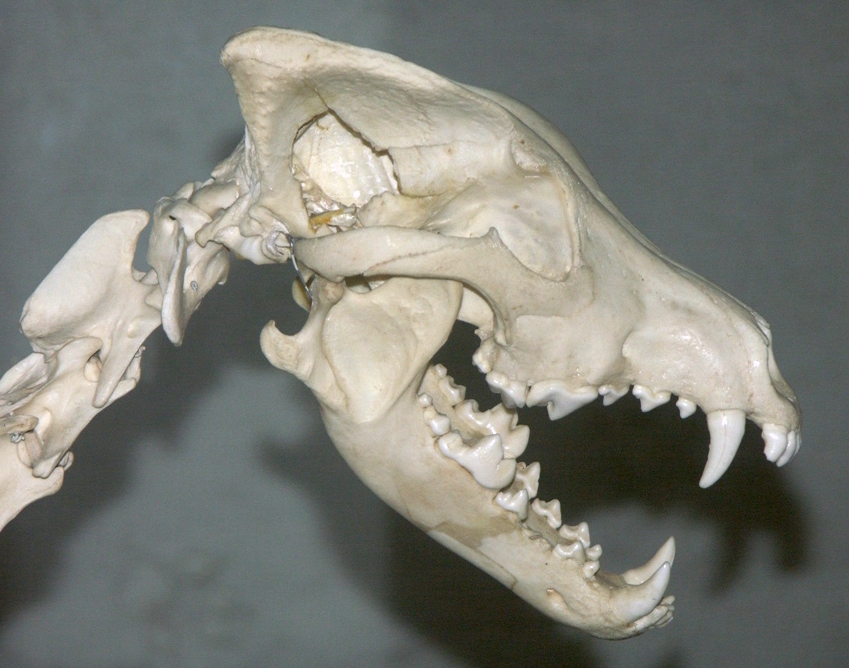
Typical canid features include a long muzzle, upright ears, sharp carnassial teeth for slicing meat, and a flexible social system that ranges from solitary to pack-living. Many species have bushy tails and limb proportions suited for running. Canids display keen senses of smell and hearing, and their dentition and digestive systems reflect a mix of predatory and opportunistic diets.
Classification and tribes
The family is commonly divided into two primary tribes: Vulpini, often called "true foxes" or vulpines, and Canini, the group that contains wolves, dogs, coyotes, jackals and related species. The terms "vulpine" and "canine" help distinguish these lineages: vulpines tend to be smaller and often more solitary, whereas many canines show complex social hunting and cooperative care of young. Although lay usage sometimes calls all members "canines," zoological usage separates Vulpini and Canini.
Evolution and distribution
Canids evolved from early carnivorous mammals and diversified over geological time, radiating from ancestral populations in North America and spreading to Eurasia, Africa and other regions via land connections. Fossil and genetic evidence indicate successive waves of speciation and adaptations to open habitats, forests and human-altered landscapes.
Behavior, ecology and human interactions
Ecologically, canids play roles as predators, scavengers and seed dispersers, affecting prey populations and ecosystem dynamics. Social structure varies: wolves form packs with cooperative hunting, while many foxes are largely solitary. The domestic dog is the best-known outcome of a long relationship between humans and canids; dogs were domesticated from wolf-like ancestors and have since been bred into many forms. Canids also appear prominently in folklore, agriculture, pest management and wildlife tourism.
Conservation and notable facts
Conservation statuses among canids range from abundant to critically endangered. Threats include habitat loss, hunting, disease and hybridization with domestic dogs. Important conservation efforts focus on habitat protection, conflict mitigation and maintaining genetic diversity. For concise species examples see the list below.
- Dogs — domesticated descendants of wolf ancestors
- Wolves — large, often pack-forming predators
- Foxes — small to medium-sized, often solitary vulpines
- Coyotes — adaptable North American canids
- Jackals — opportunistic canids of Africa and Eurasia
For more technical or taxonomic information consult resources on the family and order: family, feeding categories, and the broader classifications referenced above.
Related articles
Author
AlegsaOnline.com Canidae: the family of dogs, wolves, foxes and their relatives Leandro Alegsa
URL: https://en.alegsaonline.com/art/16552