
Capsule (pharmaceutical)
A pharmaceutical capsule is a single‑dose drug delivery format in which medication is enclosed in a dissolvable shell. Varieties include hard and soft gelatin or vegetarian shells, with immediate or controlled release.
Overview
A pharmaceutical capsule is a common oral dosage form in which active drug material is contained inside a dissolvable shell. Capsules are used to deliver a wide range of medication types and can contain solids, liquids, or semi‑liquid fills. They are designed for convenience, dose accuracy, and, in some cases, altered release profiles to influence where and how quickly the drug is released in the body.
Image gallery
10 Images



Composition and types
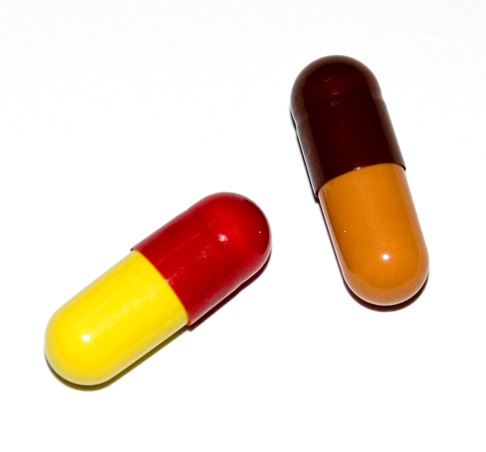
Capsule shells are most often made from animal‑derived gelatin or plant‑based polymers. The two broad categories are hard (two‑piece) capsules and soft (one‑piece) capsules:
- Hard capsules: typically filled with powdered or granulated material such as dry powder or small pellets.
- Soft capsules: sealed, single‑piece shells commonly used for liquid or oil formulations and for combinations that benefit from a hermetic seal.
Alternative shell materials (for vegetarians or specific stability needs) include hydroxypropyl methylcellulose and other synthetic polymers. Capsules vary by shape, size and color to aid identification and branding, with manufacturers using distinct markings or hues to indicate strength or origin (company identification).
History and development
The capsule as a commercial dosage form developed alongside advances in pharmaceutical manufacturing and polymer chemistry. Early formats evolved into standardized hard capsules and later into softgel technology, enabling broader formulation possibilities and improved patient acceptability.
Uses, administration and examples
Capsules are used for prescription and over‑the‑counter drugs, dietary supplements and some nutraceuticals. They are generally swallowed whole with water. In specific circumstances a healthcare professional may advise opening a capsule and mixing contents with food or liquid, but this should only be done after consulting a pharmacist or clinician—ask a pharmacist or refer to an authoritative source first.
Safety, handling and notable distinctions
Do not crush or chew capsules without confirmation that doing so will not alter release characteristics or increase adverse effects; many are formulated for immediate, delayed or sustained release and altering the shell can change dosing. Storage conditions, child‑resistant containers and proper disposal reduce accidental exposure. For people who avoid animal products, choose capsules labeled as vegetarian or plant‑based rather than gelatin‑based shells (gelatin). When in doubt about identification or suitability, consult professional guidance or reference material.
For further manufacturer‑specific details, regulatory information and patient counseling points consult technical literature and product inserts or contact the supplying company. General background and formulation principles can be explored through pharmacology and pharmaceutical technology resources (oil and solvent handling), compendia (powder processing) and regulatory guidance (liquid fill standards, shape and marking norms).
Always verify instructions before altering how a capsule is taken and seek professional advice for special populations such as children, the elderly or those with swallowing difficulties.
Related articles
Author
AlegsaOnline.com Capsule (pharmaceutical) Leandro Alegsa
URL: https://en.alegsaonline.com/art/16798