
Carbon monoxide poisoning: causes, symptoms, diagnosis, treatment, and prevention
Carbon monoxide poisoning occurs when CO is inhaled and displaces oxygen in the body. This article explains causes, typical signs, diagnosis, urgent treatments, prevention and notable distinctions.
Carbon monoxide poisoning results from inhaling carbon monoxide (CO), an odorless, colorless gas produced by incomplete combustion. Absorbed CO binds to hemoglobin to form carboxyhemoglobin, reducing oxygen delivery to tissues and interfering with cellular respiration. Exposure ranges from mild (transient headache or nausea) to severe (loss of consciousness, seizures, cardiac arrhythmias, or death).
Image gallery
8 Images


Signs and symptoms
Symptoms often resemble common illnesses and can be described as "flu-like" without fever. Early and frequent symptoms include:
- Headache — often diffuse and persistent (headache).
- Dizziness or lightheadedness (dizziness).
- Weakness, nausea, vomiting, confusion, and difficulty concentrating.
- Chest pain or shortness of breath in people with heart disease.
- In high exposures: fainting, seizures, irregular heartbeat, coma, or sudden death.
Common sources and scenarios
CO arises from any fuel-burning appliance or engine when ventilation is poor. Typical accidental sources include malfunctioning furnaces, portable generators, charcoal grills used indoors, and vehicle exhaust. Faulty or improperly vented cooking appliances such as ovens and gas heaters can also produce dangerous CO levels (oven and gas appliances). Intentional exposures occur in some suicides, for example using a running vehicle in an enclosed space (suicide methods, closed garage scenarios).
Mechanism, diagnosis and notable distinctions
CO competes with oxygen for binding sites on hemoglobin; carboxyhemoglobin both reduces oxygen-carrying capacity and shifts the oxygen–hemoglobin dissociation curve. Diagnosis is clinical and confirmed by measuring blood carboxyhemoglobin or CO levels. Because pulse oximetry can be misleading, laboratory testing or co-oximetry is preferred. CO poisoning should be distinguished from other causes of altered mental status and from poisoning by cyanide and other inhaled toxins.
Treatment and acute management
Immediate management focuses on removing the patient from the exposure and delivering high-flow 100% oxygen, which accelerates dissociation of CO from hemoglobin. In severe cases, hyperbaric oxygen therapy may be considered to reduce the risk of delayed neurologic injury. Supportive care includes monitoring cardiac rhythm, treating seizures, and addressing any respiratory failure.
Prevention and public health
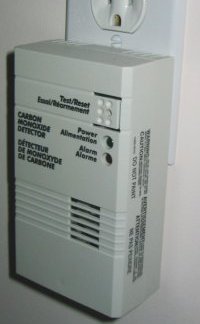
Prevention relies on proper installation, maintenance and ventilation of fuel-burning equipment, regular inspection of chimneys and furnaces, and the use of battery-backed or hard-wired carbon monoxide alarms in homes and workplaces. Public education emphasizes never running engines in closed spaces and avoiding use of indoor grills or portable generators inside buildings. For authoritative guidance see resources on safe use and detection methods (inhalation risks, carbon monoxide safety).
Importance and follow-up
Even after apparent recovery, some people develop delayed neurological or psychiatric symptoms over days to weeks. Follow-up evaluation is advised for persistent cognitive complaints or neurologic changes. Awareness, early recognition and prompt treatment substantially reduce morbidity and mortality from this preventable hazard.
Related articles
Author
AlegsaOnline.com Carbon monoxide poisoning: causes, symptoms, diagnosis, treatment, and prevention Leandro Alegsa
URL: https://en.alegsaonline.com/art/16884
Sources
- books.google.com : Emergency Medical Responder: Your First Response in Emergency Care · web.archive.org
- bmj.com : "Carbon monoxide poisoning"
- doi.org : 10.1016/j.ccc.2012.07.007
- pubmed.ncbi.nlm.nih.gov : 22998990