
Cardiology: Medicine of the Heart and Circulation
Cardiology is the medical specialty devoted to diagnosing, treating, and preventing disorders of the heart and blood vessels, including coronary disease, arrhythmias, heart failure, and vascular conditions.
Cardiology is the branch of medicine concerned with the structure, function and disorders of the heart and circulatory system. The name reflects its origin in ancient languages: the Greek term kardiā (heart) is the root of the specialty's name. Cardiology addresses conditions that affect the heart itself as well as the network of blood vessels that deliver blood throughout the body. Care is delivered by specialist physicians known as cardiologists, who coordinate with surgeons, primary care clinicians and allied health professionals.
Image gallery
2 Images
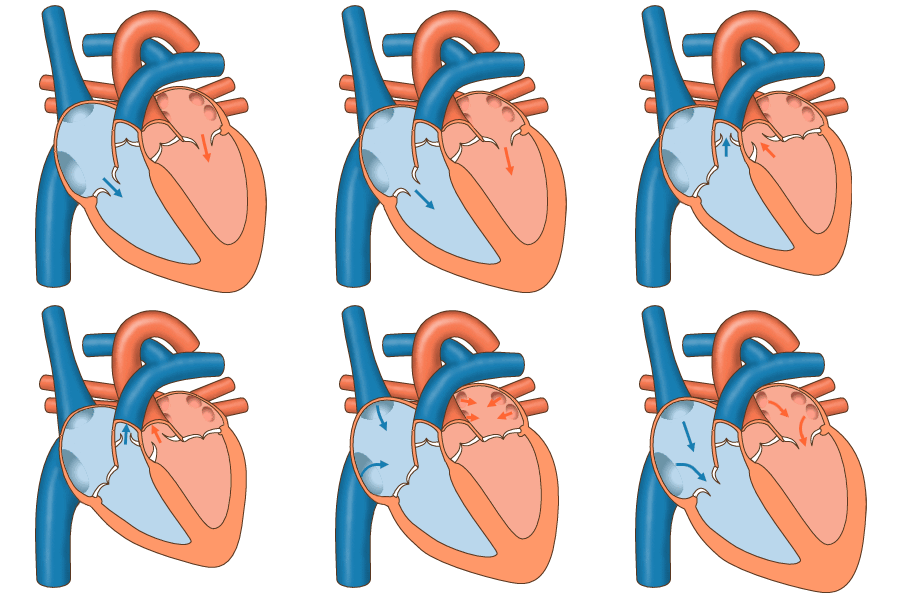
Anatomy and clinical features
The cardiovascular system includes the heart's chambers and valves, the coronary arteries that supply the heart muscle, and the systemic and pulmonary vessels. Common clinical problems include coronary artery disease (blockage of blood flow to the heart), heart failure (reduced pumping ability), arrhythmias (irregular heart rhythms) and valvular disease. Symptoms that lead patients to seek cardiology care include chest pain, breathlessness, palpitations, fainting and swelling of the legs.
Diagnosis and investigation
Cardiologists use a range of noninvasive and invasive tests to define disease and guide treatment. Typical tools are:
- Electrocardiography (ECG) to record electrical activity.
- Echocardiography (ultrasound) to visualize heart structure and function.
- Stress testing and ambulatory monitors to evaluate exercise capacity and rhythm.
- Cardiac catheterization and coronary angiography to image and treat blocked vessels.
Treatment approaches
Management spans lifestyle change, medications (for blood pressure, cholesterol, heart rate, clotting), device therapies (pacemakers, defibrillators), catheter-based interventions (angioplasty and stenting) and referral for surgical procedures when needed. Interventional cardiologists perform many catheter procedures, while complex operations such as coronary artery bypass grafting are performed by cardiac surgeons; collaboration between specialties is common.
Subspecialties, prevention and public health
Cardiology contains subspecialties including interventional cardiology, electrophysiology (rhythm disorders), heart failure and transplant, adult congenital heart disease and cardiovascular imaging. Preventive cardiology emphasizes risk-factor control—smoking cessation, blood pressure and lipid management, diabetes care, weight control and regular exercise—to reduce the burden of cardiovascular disease, which remains a leading cause of illness worldwide.
Notable facts
Advances in diagnostics, medications and minimally invasive procedures have dramatically changed outcomes over recent decades. Ongoing research continues to refine strategies for early detection, personalized therapy and population-level prevention. For patients, timely evaluation by a cardiologist can be decisive in preserving heart function and quality of life.
Related articles
Author
AlegsaOnline.com Cardiology: Medicine of the Heart and Circulation Leandro Alegsa
URL: https://en.alegsaonline.com/art/16950