
Cannabidiol (CBD): Overview, Uses, and Key Facts
Cannabidiol (CBD) is a non-intoxicating phytocannabinoid found in hemp and cannabis. This article summarizes its chemistry, history, common uses, legal context, safety considerations, and distinctions from other cannabinoids.
Cannabidiol, commonly abbreviated CBD, is one of many naturally occurring phytocannabinoids produced by plants in the Cannabis genus. It appears in significant quantities in certain strains of hemp (hemp strains) and more widely across cannabis varieties (cannabis strains). Unlike tetrahydrocannabinol (THC), CBD does not produce the intoxicating "high" typically associated with cannabis.
Image gallery
10 Images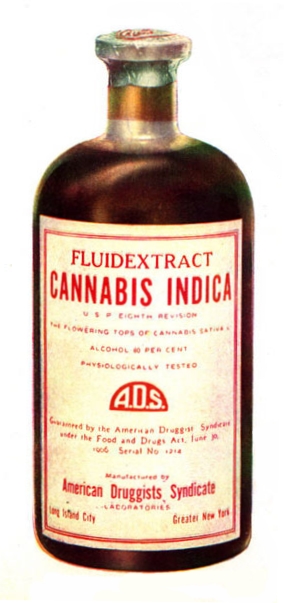




Characteristics and chemistry
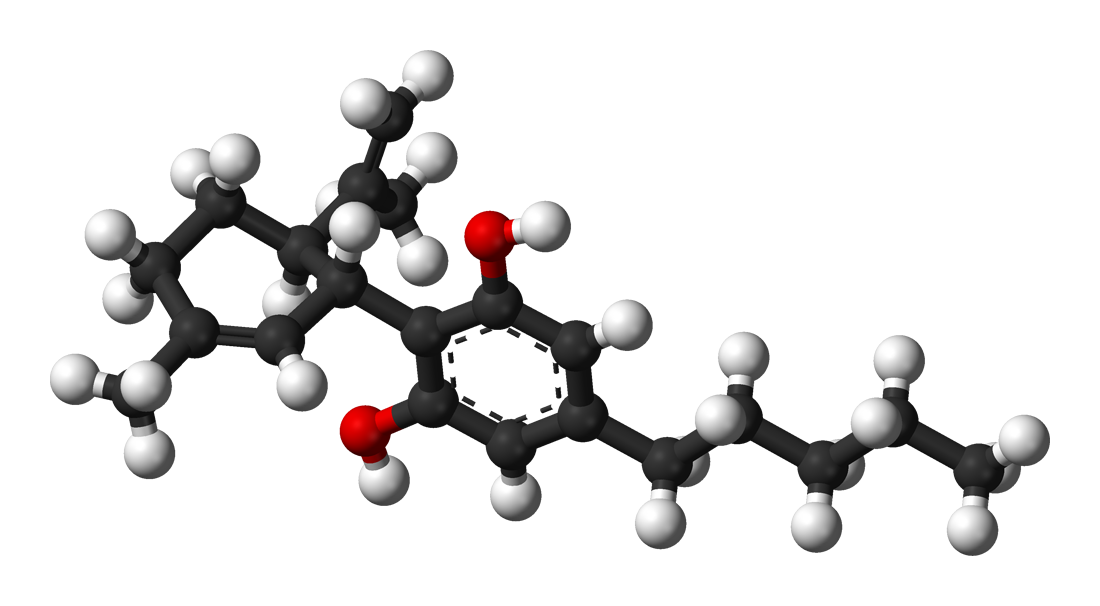
CBD is a lipophilic compound whose molecular interactions affect the endocannabinoid system and other receptor systems in the body. Commercial CBD products are made from whole-plant extracts or more highly purified isolates and are formulated as oils, tinctures, capsules, edibles, topicals, and vaporizer liquids. Concentrations, purity, and the presence of other cannabinoids or terpenes vary by product and source.
History and development
Interest in CBD grew as laboratory and clinical research expanded in the late 20th and early 21st centuries. Traditional uses of cannabis date back millennia, but modern extraction techniques and regulatory changes in some jurisdictions have driven recent proliferation of CBD products. Scientific study continues to refine understanding of its pharmacology and potential therapeutic roles.
Uses, evidence, and examples
- Medical research has established benefit for certain rare pediatric seizure disorders; other proposed uses include management of anxiety, chronic pain, sleep disturbances, and inflammatory conditions, though evidence varies by indication.
- CBD is also used in wellness products and cosmetics as a complementary ingredient rather than a primary medical treatment.
- Many reported benefits remain anecdotal; ongoing clinical trials seek to clarify effective doses, formulations, and long-term effects.
Legal status and safety
Legal frameworks differ widely by country and region. Some places permit CBD with low THC content, others restrict all cannabis extracts, and regulatory oversight of commercial products is uneven. Common side effects reported in studies include fatigue, gastrointestinal upset, and interactions with other medications. Consumers are advised to consult healthcare professionals and choose products tested for contaminants and accurate labeling.
Notable distinctions
Key distinctions to remember: CBD is non-intoxicating, distinct from psychoactive THC; it is one of many phytocannabinoids; and the quality and claims of CBD products vary considerably. As research progresses, clearer guidance on therapeutic uses and safety will continue to replace anecdote with evidence-based recommendations.
Questions and answers
Q: What is Cannabidiol (CBD)?
A: Cannabidiol (CBD) is one of the 150+ naturally occurring phytocannabinoids found in certain strains of hemp and in all cannabis plant strains.
Q: Is CBD legal?
A: Yes, CBD is legal in many places.
Q: What are some uses for CBD?
A: CBD is used in the management and treatment of chronic pain, PTSD, anxiety, anxiety disorder, depression, diabetes type 1, diabetes type 2, seizures, and in conjunction with allopathic approaches to diseases including cancer chemotherapy and radiation therapy.
Q: Are there any anecdotal reports about the use of CBD?
A: Yes, anecdotally CBD is being used with claimed positive results by patients for almost every illness.
Q: Where can you find CBD?
A: You can find CBD in certain strains of hemp and all cannabis plant strains.
Q: How does using CBD compare to other treatments?
A: Using CBD can be used as a complementary approach to traditional medical treatments such as cancer chemotherapy and radiation therapy.
Related articles
Author
AlegsaOnline.com Cannabidiol (CBD): Overview, Uses, and Key Facts Leandro Alegsa
URL: https://en.alegsaonline.com/art/16570
Sources
- poppaplant.com : "Side Effects of Cannabidiol"
- semillas-de-marihuana.com : "The 3 Applications of Marijuana According to Doctor Grinspoon"