
Cannabis drug testing: methods, limits, and legal considerations
Overview of how cannabis (THC) is detected in biological specimens, common testing methods, their strengths and limitations, and implications for medical, workplace, sports, and legal settings.
Overview
Cannabis drug testing refers to laboratory and point-of-care techniques used to detect cannabis use and its principal psychoactive compound, tetrahydrocannabinol (THC), or its metabolites. Tests are used in multiple contexts—including workplace screening, sports anti-doping, clinical care, and criminal justice—because they can indicate recent or past exposure. For general information about cannabis and its uses see cannabis.
Image gallery
4 Images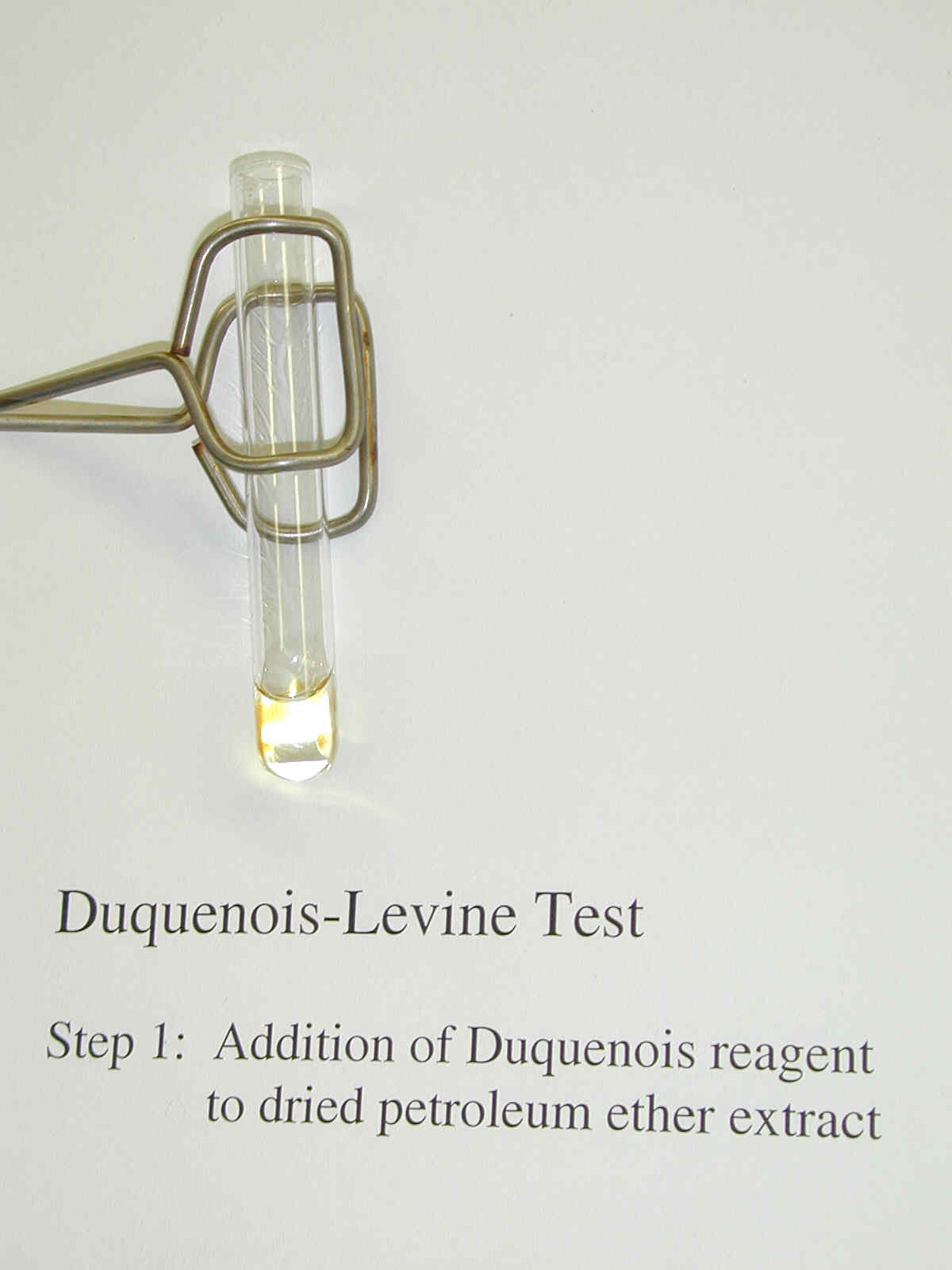


Specimen types and what they show
Different biological specimens yield different kinds of information. Common specimen types include:
- Urine – Detects THC metabolites rather than active THC. It is the most common screening specimen because collection is non‑invasive and metabolites remain detectable for an extended period after use, especially in frequent users.
- Blood – Measures parent THC and can indicate recent consumption because THC in blood falls relatively quickly after inhalation or ingestion. Blood tests are often used in investigations of suspected impairment but have a short window of detection.
- Saliva (oral fluid) – Reflects recent use and is suitable for roadside or point‑of‑care testing. It is less invasive than blood and generally detects more recent consumption than urine.
- Hair – Can show patterns of chronic or past use over weeks to months, as metabolites can become incorporated into hair shafts. Hair testing is less useful for assessing very recent use.
- Breath – An emerging area of research aiming to detect very recent use; methods are still under development and not yet widely standardized.
Analytical methods and confirmation
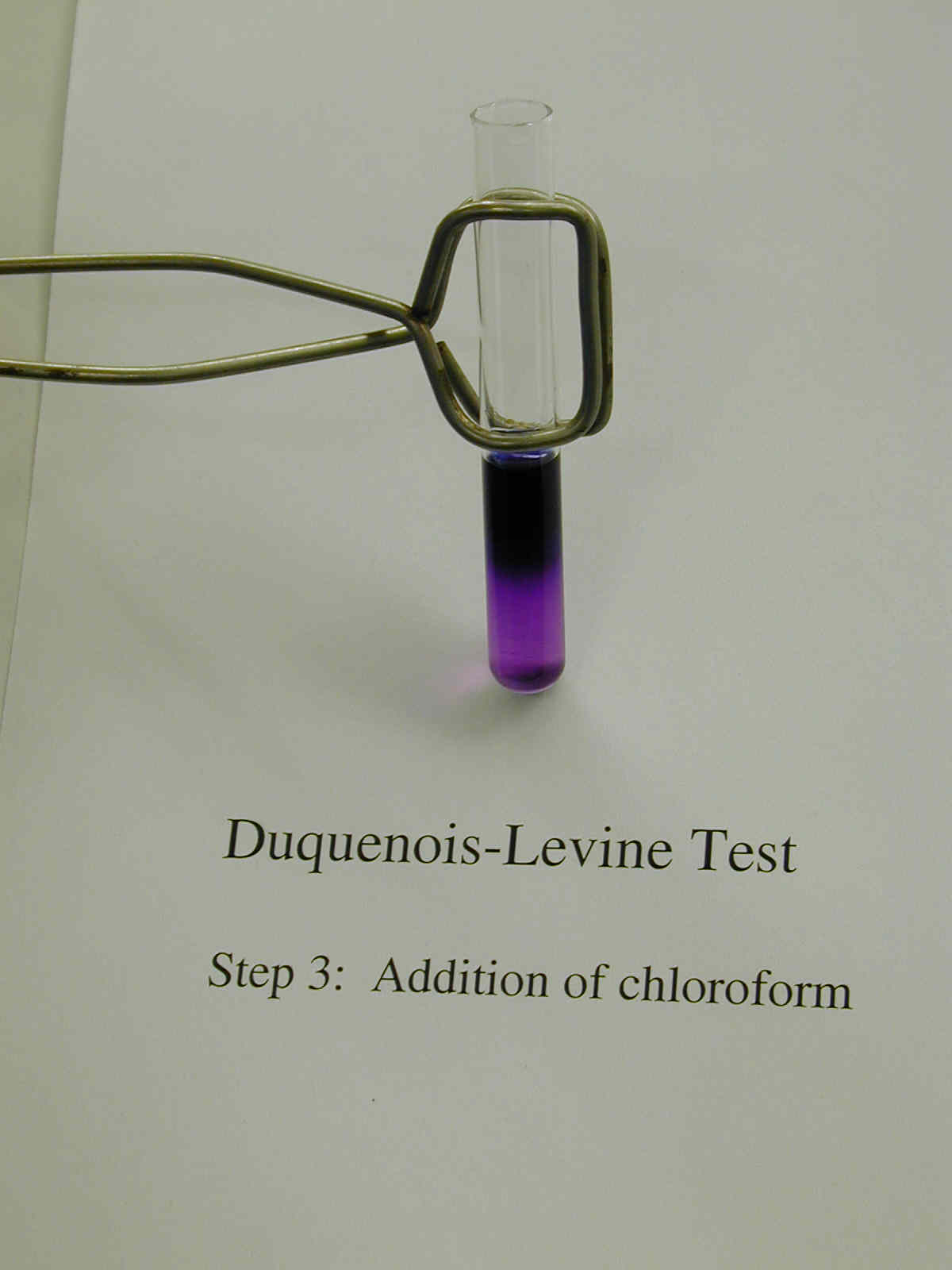
Initial screens commonly use immunoassays to identify presumptive positives. Because screening tests can produce false positives or be affected by cross‑reactive substances, laboratories typically confirm positives with more specific analytical techniques such as gas chromatography‑mass spectrometry (GC‑MS) or liquid chromatography‑tandem mass spectrometry (LC‑MS/MS). Confirmatory testing identifies specific THC compounds and improves accuracy for legal and occupational decision making.
Limitations, interference and attempts to evade testing
Interpreting results requires caution. Tests that detect metabolites cannot reliably quantify impairment or the exact time of use: THC is stored in fatty tissues and clears at different rates depending on frequency of use, body composition, and individual metabolism. Passive exposure (being near cannabis smoke), use of hemp products with trace THC, and certain medications or supplements can complicate interpretation in some cases.
Attempts to alter results—such as adulterating urine samples, using synthetic urine, or chemically treating hair—exist and are a concern for testing programs. Strict collection protocols, observed specimen collection where lawful, chain of custody procedures, and confirmatory analyses are standard controls to reduce tampering and false outcomes.
Legal, clinical and policy implications
Unlike breath alcohol testing, which correlates well with impairment, there is no universally accepted biological threshold for cannabis intoxication. Jurisdictions differ in how they use test results: some set per se limits for THC concentration in blood, others rely on behavioral or performance assessments for impairment. In occupational and forensic settings, the absence of a single agreed‑upon impairment metric complicates decisions about fitness for duty, driving under the influence, and competition eligibility.
History and ongoing development
Cannabis testing evolved from early immunoassays to highly specific mass spectrometry techniques used today. Research continues into rapid, reliable measures of impairment (including psychomotor testing and biosensors) and into standardizing breath and oral fluid methods. As laws and social attitudes toward cannabis change, testing protocols, legal standards, and technologies are also adapting to balance public safety, individual rights, and clinical needs.
Key points
- Specimen choice determines what aspect of use is detected (recent vs. past use).
- Screening tests require confirmatory methods to ensure accuracy for legal or clinical decisions.
- Biological detection of THC does not equal proof of impairment; context and additional evidence are often necessary.
Related articles
Author
AlegsaOnline.com Cannabis drug testing: methods, limits, and legal considerations Leandro Alegsa
URL: https://en.alegsaonline.com/art/16571
Sources
- erowid.org : "Erowid Cannabis (Marijuana) Vault : Drug Testing"
- weedies.org : synthetic urine
- ohmygov.com : ohmygov.com/blogs/general_news/archive/2009/02/09/riding-high-a-look-at-marijuana-use-on-…
- deathandtaxesmag.com : deathandtaxesmag.com/180490/states-developing-a-marijuana-breathalyzer-for-stoned-driving/