
Caprinae: goats, sheep and their relatives
Caprinae is the subfamily of Bovidae that includes sheep, goats and related wild species. Adapted to mountains and tundra, they are important ecologically and economically, with several domestic and wild forms.
The Caprinae are a subfamily within the ruminant family Bovidae. Members of this group are commonly called caprids or goat-antelopes and range from familiar domestic animals to specialized wild species. They occur across much of the world and occupy a variety of habitats, especially steep, rocky environments and cold, open landscapes.
Image gallery
10 Images
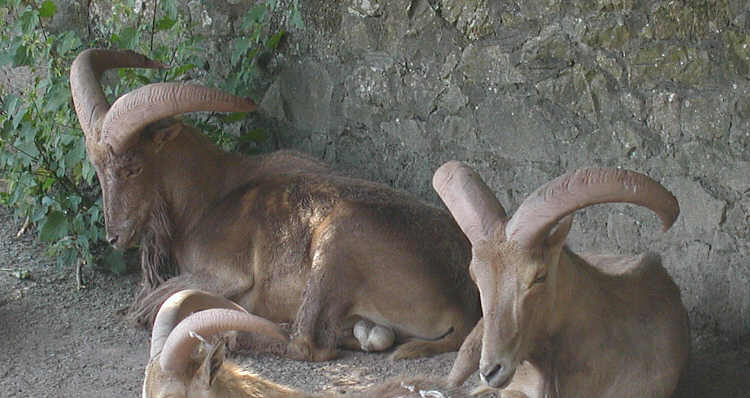
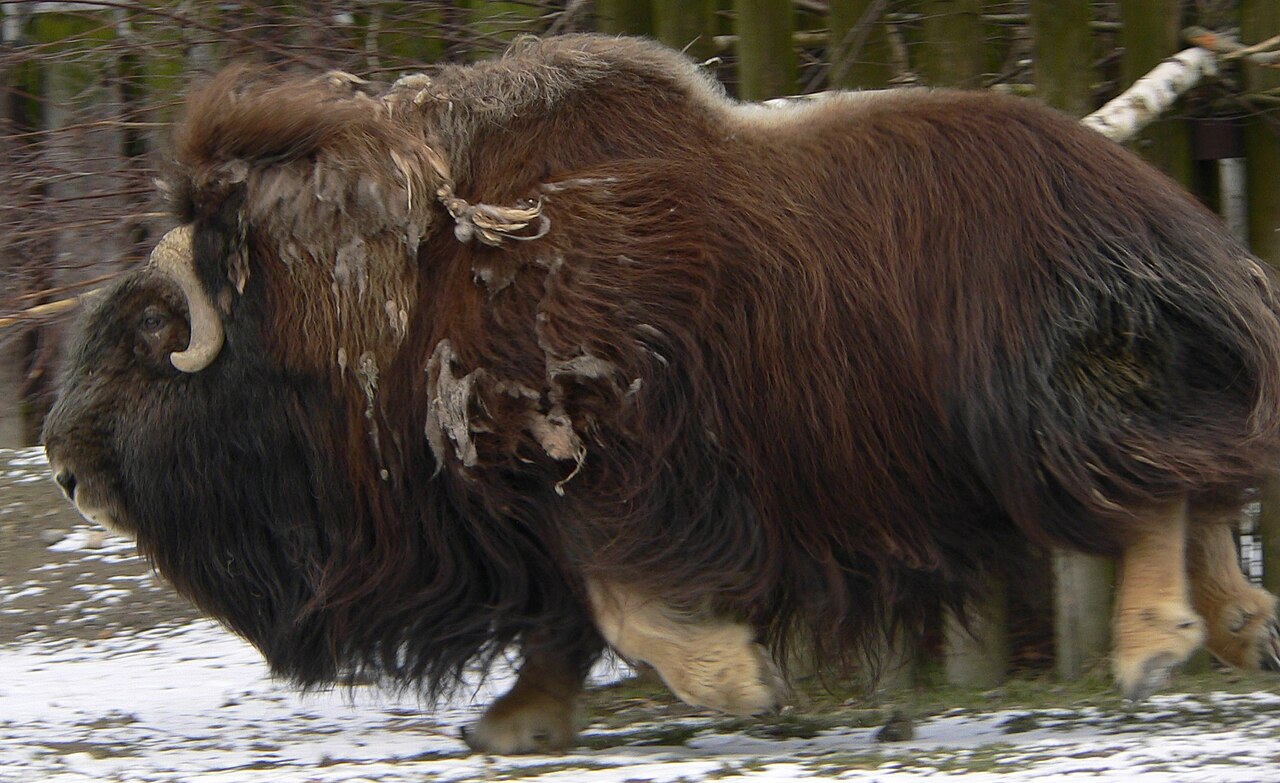


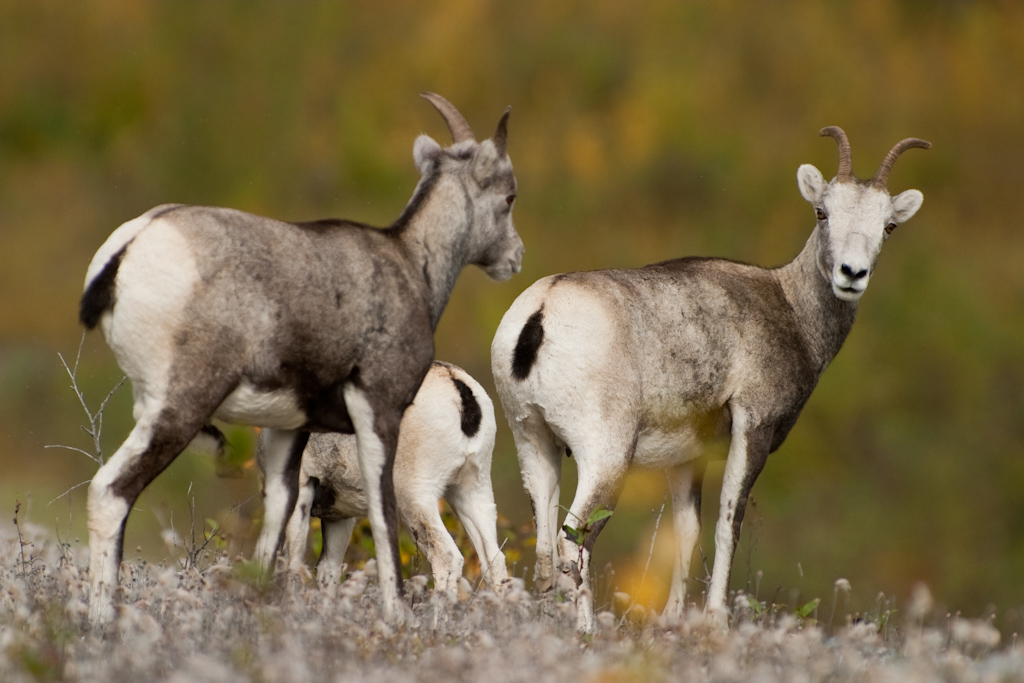
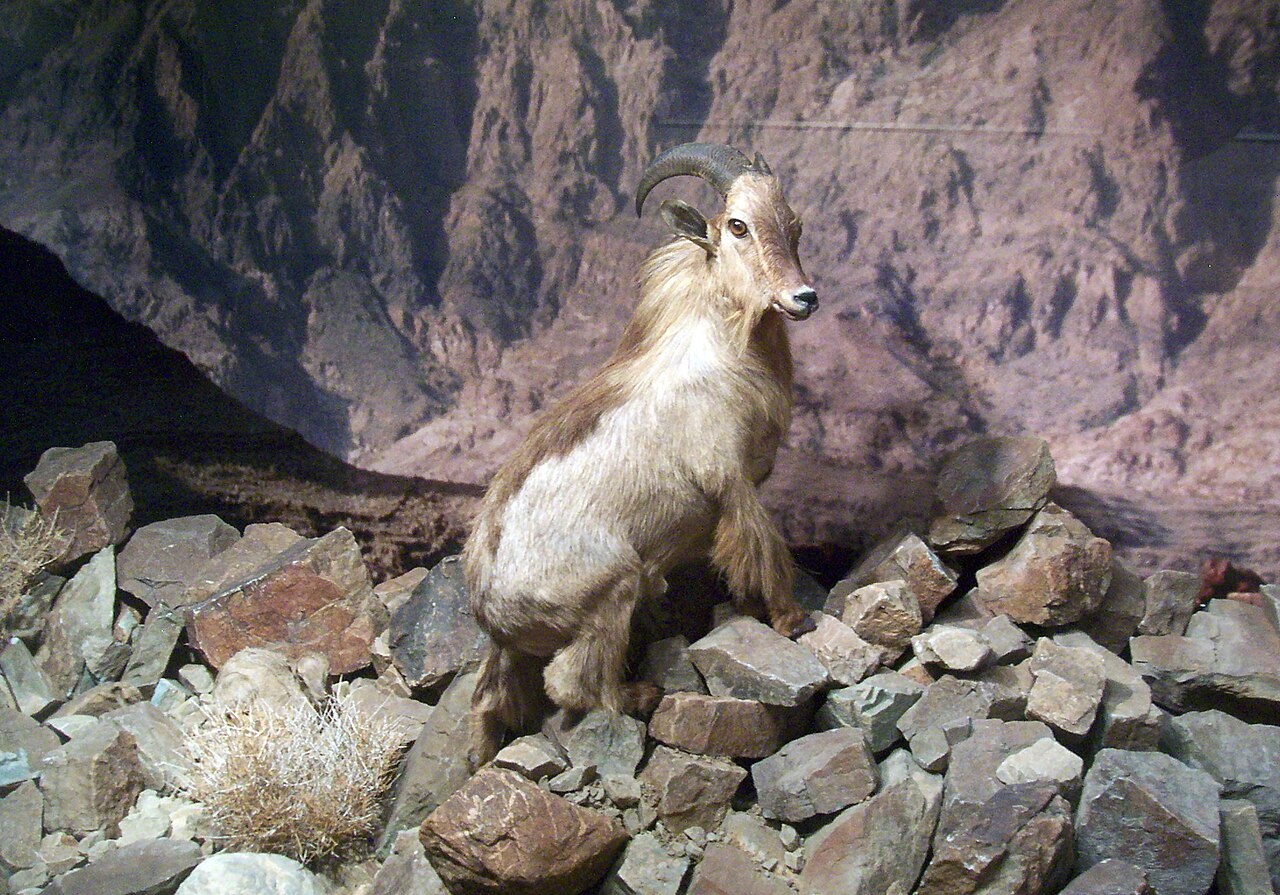


Characteristics
Caprids share a set of general features: cloven hooves, a ruminant stomach adapted for fermenting tough vegetation, and horn structures present in most species. Horns may be curved or straight and are usually permanent in males; in some species females also carry reduced horns. Body size, coat density and limb proportions vary with habitat — mountain species tend to be stocky with strong limbs, while tundra forms have thick insulating coats.
Taxonomy and notable members
The subfamily contains several genera and species often grouped informally as "sheep-like" and "goat-like". Well-known domestic representatives include the domestic sheep and the domestic goat, both derived from wild ancestors through millennia of human selection. Wild caprids include chamois, ibexes, bharal (blue sheep) and the muskox, each adapted to particular ecological niches.
Human uses and importance
Caprids have been central to human economies for thousands of years. Domestic species provide meat, milk, fiber (such as wool and cashmere), hides and draft power in some cultures. Wild caprids contribute to hunting traditions, ecotourism and they play roles in alpine and tundra food webs by grazing vegetation and supporting predators.
Conservation and notable facts
- Many wild caprid populations are vulnerable to habitat loss, hunting and competition with livestock.
- Some species exhibit remarkable climbing ability and balance, enabling them to forage on steep cliffs.
- Conservation efforts often combine habitat protection, regulated hunting and community-based herd management.
Although taxonomic boundaries and relationships within Caprinae remain active areas of research, the group is recognized for its ecological adaptations, cultural significance and economic importance across diverse human societies.
Related articles
Author
AlegsaOnline.com Caprinae: goats, sheep and their relatives Leandro Alegsa
URL: https://en.alegsaonline.com/art/16790