
Capra (genus): wild goats, ibexes and the domestic goat
Capra is a genus of goat-like bovids that includes wild species such as ibexes and the ancestor of the domestic goat; found mostly in mountainous regions and important to humans and ecosystems.
Capra is a genus of hoofed mammals in the goat-antelope group. Taxonomically it is treated as a genus within the subfamily Caprinae of the family Bovidae. The best-known member is the domestic goat, which derives from wild goat ancestors; the genus also contains several wild species commonly called ibex, tur and other wild goats.
Image gallery
10 Images

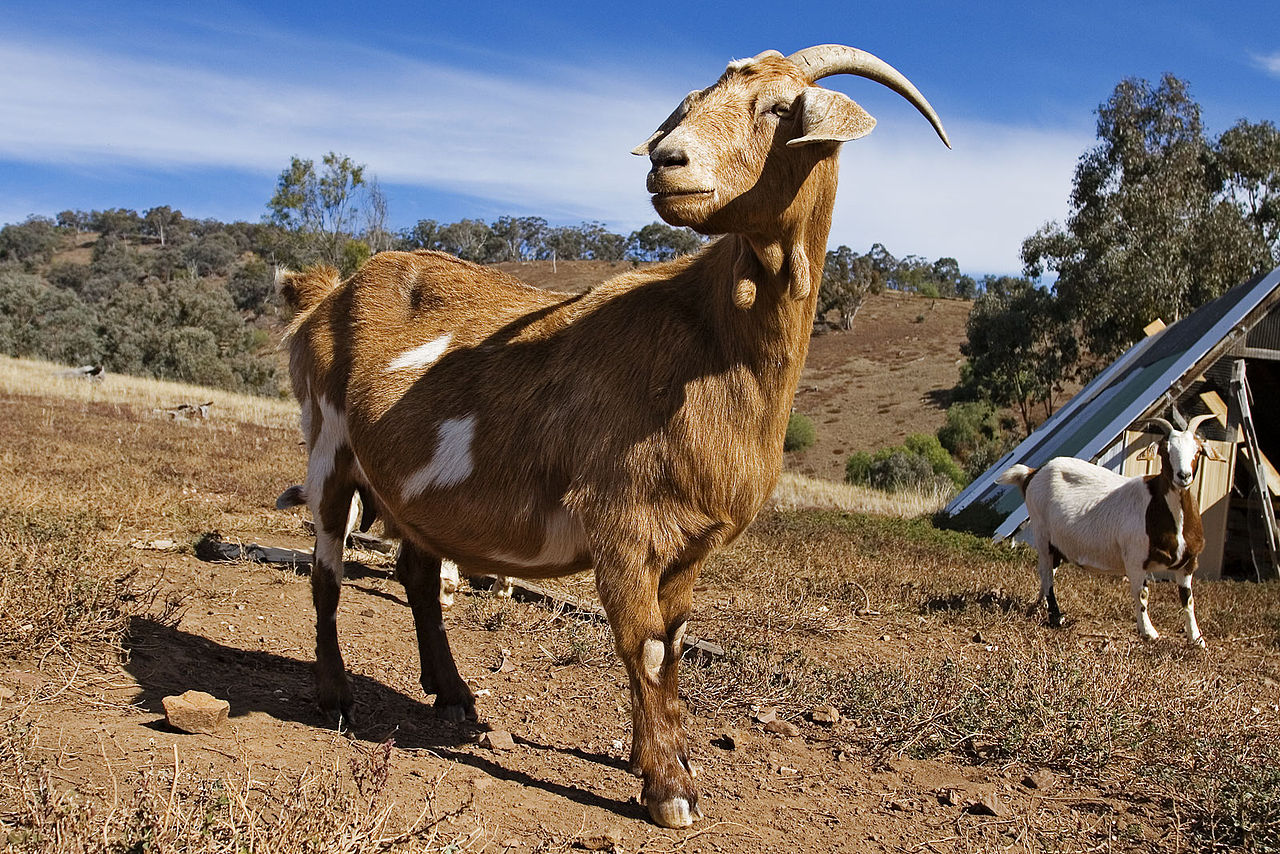
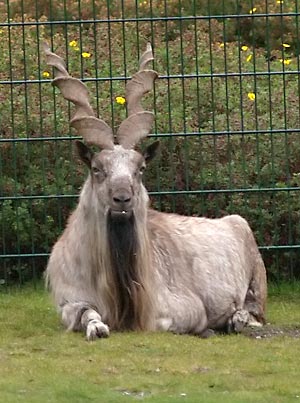


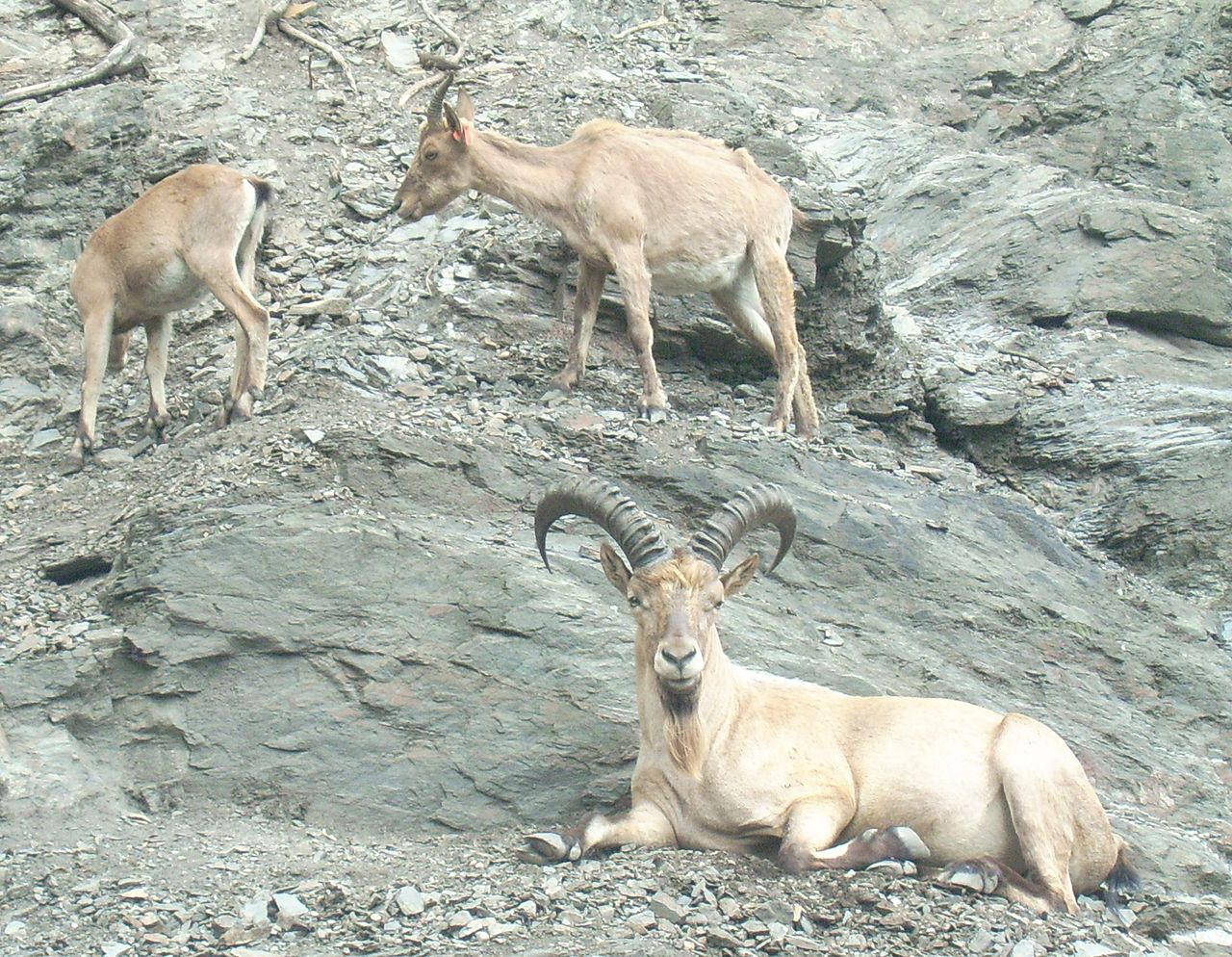


Characteristics
Animals in Capra are medium-sized ruminants adapted to steep, rocky terrain. They typically have robust bodies, cloven hooves with a textured sole for grip, and males often bear large curved horns. Many species show sexual dimorphism: males are generally larger and have more prominent horns. Their coat, color and horn shape vary among species and with season.
Species and distribution
The genus includes several widely recognized species and a number of subspecies distributed across Europe, Asia and parts of Africa. Representative taxa include the wild goat (Bezoar), the Alpine ibex, the Nubian and Walia ibexes, the Siberian ibex, the Caucasian tur and the domestic goat descended from wild ancestors. Most Capra species inhabit mountainous or rugged habitats where agility and sure-footedness are advantageous.
Behavior and life cycle
Capra species are herbivorous browsers and grazers, feeding on grasses, shrubs and herbs. They are social animals, forming mixed or sex-segregated groups outside the breeding season. Breeding is often seasonal; females typically bear one or two young after a gestation period characteristic of caprines. Young are precocious and able to follow the herd on steep slopes shortly after birth.
Relationship with humans
The domestic goat remains one of humanity's earliest domesticated ungulates, valued for milk, meat, fiber and hides. Wild Capra species have cultural significance in many mountain regions and are hunted for subsistence and sport. Interaction with domestic stock can lead to hybridization and disease transmission.
Conservation and notable facts
Conservation status varies: some Capra populations are stable, while others face threats from habitat loss, poaching, competition with livestock and genetic introgression. Several conservation programs focus on habitat protection, population monitoring and reintroduction where appropriate. Capra are often compared with related genera (for example, Ovis, the sheep) by horn shape, coat and social behavior, helping biologists clarify evolutionary relationships within Caprinae.
For further taxonomic or species-level details see specialist sources and regional wildlife assessments.
Related articles
Author
AlegsaOnline.com Capra (genus): wild goats, ibexes and the domestic goat Leandro Alegsa
URL: https://en.alegsaonline.com/art/16783