
Carnivora: the mammal order of modern carnivores
Carnivora is an order of mammals that includes cats, dogs, bears, mustelids and pinnipeds. Members show diverse diets, specialised teeth and limbs, widespread habitats, and important ecological roles.
Overview
The order Carnivora comprises a widely distributed group of placental mammals traditionally associated with meat eating. They range from small, solitary predators to large, social hunters and include fully terrestrial species and aquatic lineages. Most are members of the class Mammalia. The name refers to a dietary tendency but the order itself is defined by anatomical and genetic traits rather than diet alone.
Image gallery
10 Images




Distinctive characteristics
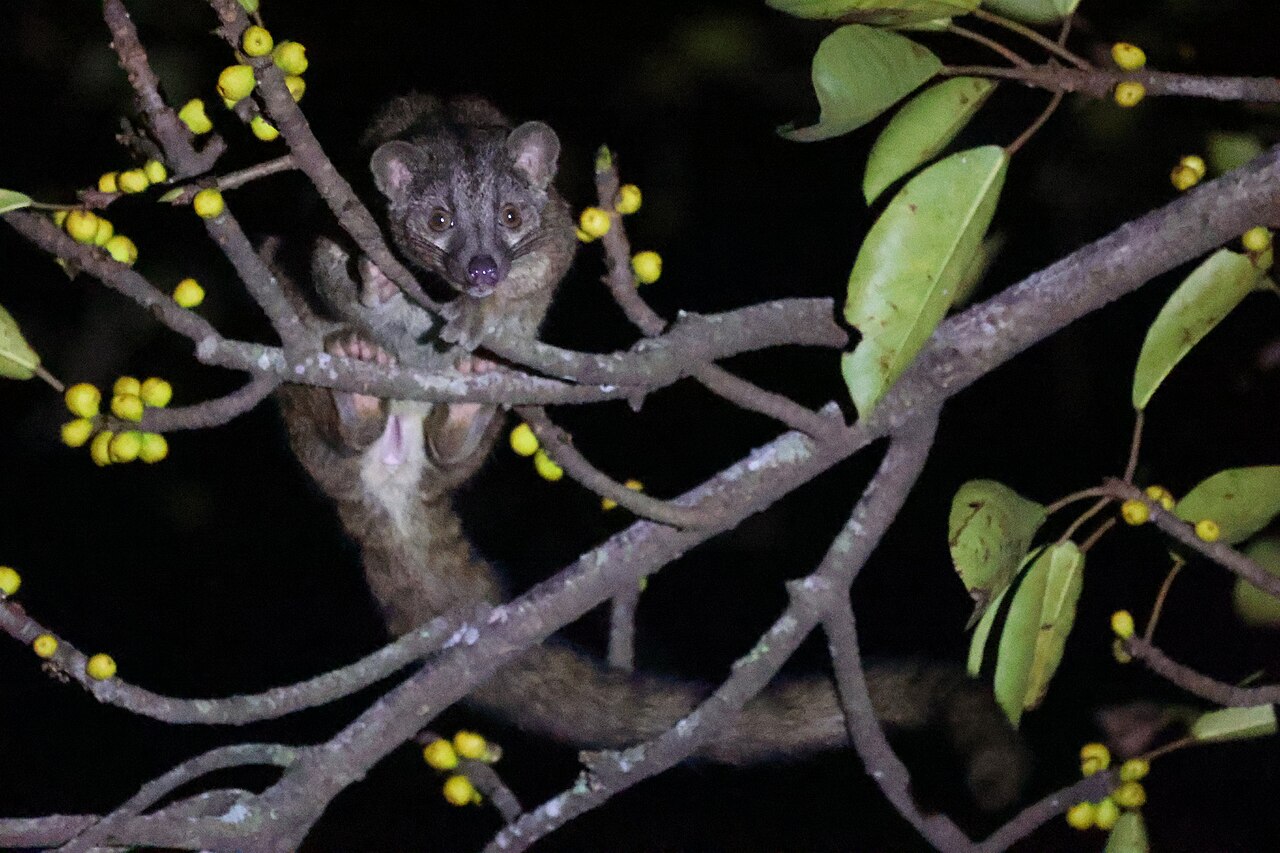
Carnivorans typically possess specialised teeth — notably the carnassial pair that slices flesh — and well-developed canine teeth. Other common features include strong forelimbs, claws (retractile in some felids), and acute senses of smell and hearing. Nevertheless, dentition and gut morphology vary: many are omnivores and a few have largely vegetarian diets (for example the giant panda), so behaviour and anatomy form a spectrum rather than a single mode of life.
Classification and main groups
The order is conventionally split into two major suborders: the cat-like Feliformia and the dog-like Caniformia. Families within these groups include Felidae (cats), Canidae (dogs, wolves, foxes), Ursidae (bears), Mustelidae (weasels, otters), Procyonidae (raccoons), Viverridae and Herpestidae, Hyaenidae, among others. Aquatic relatives are placed in the superfamily Pinnipedia and include walruses and the various seals (walruses, seals).
Evolution and history
Carnivorans evolved from early carnivoramorph ancestors after the extinction of non-avian dinosaurs. Their fossil record extends to the Paleocene and Eocene epochs when small, tree-dwelling forms gave rise to the modern lineages. Over tens of millions of years these groups adapted to diverse niches, producing the full range from cursorial hunters to semi-aquatic swimmers.
Ecology, diet and behaviour
Members of Carnivora occupy nearly every terrestrial habitat and many freshwater and marine environments. Diets vary from hypercarnivores that depend heavily on meat, to omnivores (omnivores) and herbivorous specialists that feed largely on plants. Social systems range from solitary to pack-forming species. Pinnipeds are highly adapted for marine life and hunt fish and invertebrates; their swimming and diving abilities set them apart from fully terrestrial carnivorans.
Human interactions and conservation
Carnivorans have major ecological roles as predators, scavengers and seed dispersers. They figure prominently in human culture, economy and agriculture. Some species have been domesticated or semi-domesticated, while many others face threats from habitat loss, persecution and climate change. Conservation measures vary by region and species, and scientific study continues to refine their classification and ecology.
- Terminology note: the word "carnivore" may mean any flesh-eating animal (carnivores) or specifically members of the order (carnivorans).
- Examples of omnivorous and plant-eating members include raccoons and the panda; aquatic carnivorans include seals and walruses.
Further reading and resources: introductory summaries and taxonomic keys are available through standard zoology texts and online species databases (Carnivora overview, Mammalia resources).
Questions and answers
Q: What is the order Carnivora?
A: The order Carnivora is a group of mammals that are mostly flesh-eaters, and includes both Feliformia and Caniformia.
Q: What are the two subgroups of Carnivora?
A: The two subgroups of Carnivora are Feliformia and Caniformia.
Q: What is the term used to refer to members of the order Carnivora?
A: The term used to refer to members of the order Carnivora is carnivorans.
Q: Are all animals in the order Carnivora entirely carnivorous?
A: No, many species of Carnivora are actually omnivores, and some like the giant panda, eat mostly plants.
Q: What is the superfamily of aquatic relatives in the order Carnivora?
A: The superfamily of aquatic relatives in the order Carnivora is Pinnipedia.
Q: What types of animals are included in the superfamily Pinnipedia?
A: The superfamily Pinnipedia includes walruses and seals.
Q: Can you give an example of a Carnivora species that eats mostly plants?
A: An example of a Carnivora species that eats mostly plants is the giant panda.
Related articles
Author
AlegsaOnline.com Carnivora: the mammal order of modern carnivores Leandro Alegsa
URL: https://en.alegsaonline.com/art/17161