
Caniformia: the dog-like carnivores and their relatives
Caniformia is a suborder of Carnivora that includes dog-like mammals such as canids, bears, mustelids, seals and others; this article covers their traits, families, evolution, roles and differences from feliforms.
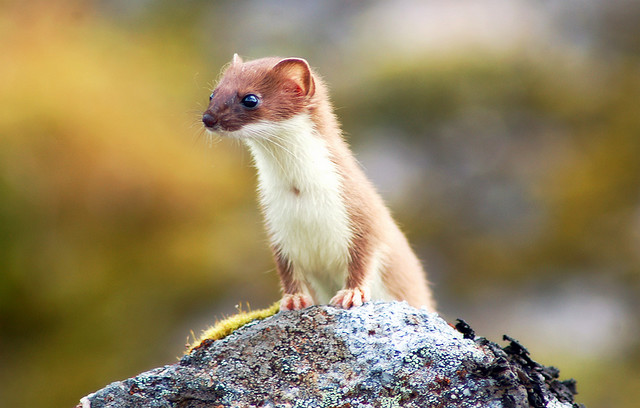
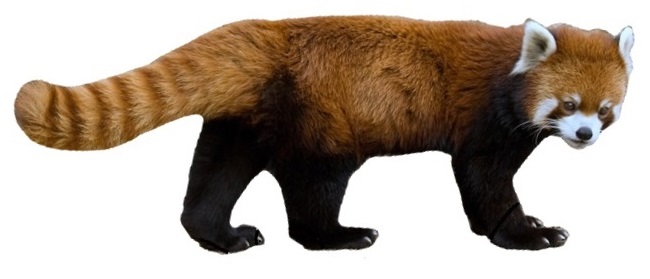
The Caniformia are one of two major living suborders within the order Carnivora. Informally described as the "dog-like" carnivores, they encompass a wide variety of mammals that range from terrestrial hunters to fully aquatic seals. The group includes familiar animals such as dogs and wolves as well as bears, weasels, raccoons, skunks, the red panda, and the pinnipeds (seals, sea lions and the walrus).
Image gallery
10 Images


Key characteristics
Members of Caniformia vary greatly in size and lifestyle, but share several anatomical and behavioral features inherited from a common ancestor. Many caniforms tend to have relatively long snouts and nonretractile or only partly retractile claws. Their dentition reflects a mixture of carnivorous and omnivorous diets: shearing carnassial teeth are present but often supplemented by crushing or grinding teeth in more omnivorous taxa. Social systems range from solitary to highly social, exemplified by pack-living canids.
Major families and examples
- Canidae – dogs, wolves, foxes and relatives.
- Ursidae – bears, including largely omnivorous species.
- Pinnipedia (a clade within Caniformia) – true seals, eared seals and the walrus.
- Mustelidae – weasels, otters, badgers and allies.
- Procyonidae – raccoons and relatives; Ailuridae – the red panda; Mephitidae – skunks and stink badgers.
Evolution and history
Fossil evidence shows that caniform lineages radiated from early carnivoran ancestors into many ecological niches. Some groups remained primarily terrestrial while others adapted to semi-aquatic or fully marine life (pinnipeds). Over geological time these lineages developed a range of feeding strategies and morphologies, allowing them to occupy diverse habitats across the world.
Ecology, human relations and conservation
Caniforms play varied ecological roles: as predators they influence prey populations, as omnivores they act as seed dispersers and scavengers, and as aquatic predators they shape marine food webs. Several species have close relationships with humans, notably the domestic dog (from canids) and bears in cultural contexts. Many caniform species face conservation challenges from habitat loss, hunting and climate change; pinnipeds and some mustelids are among those monitored for recovery or decline.
Distinguishing Caniformia from Feliformia
The sister suborder Feliformia contains the cat-like carnivores. A practical distinction is that many feliforms possess more fully retractile claws and a suite of skull and ear-bone features, whereas caniforms more often show nonretractile claws, diverse diets and greater ecological breadth. For further reading on the order as a whole see Carnivora and on the informal dog-like grouping see dog-like mammals.
Related articles
Author
AlegsaOnline.com Caniformia: the dog-like carnivores and their relatives Leandro Alegsa
URL: https://en.alegsaonline.com/art/16553