
Canine tooth
Pointed teeth found in mammals used for grasping, tearing and display; covers anatomy, variation across species, evolution, human differences and dental considerations.
Overview
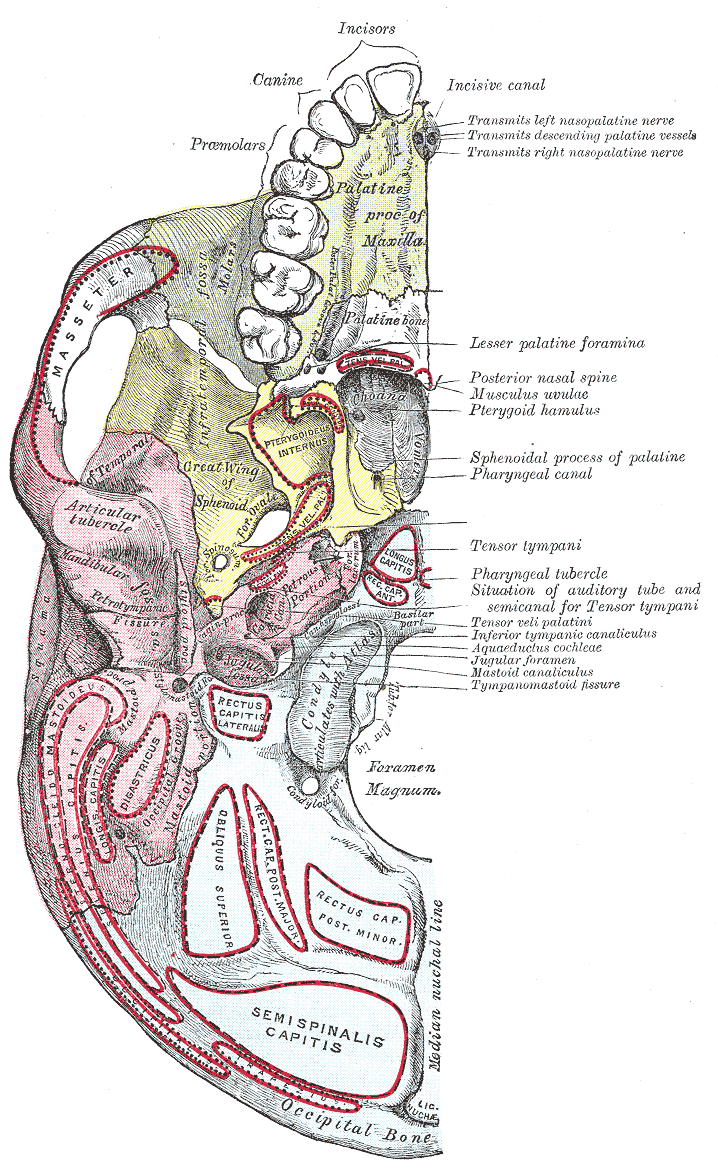
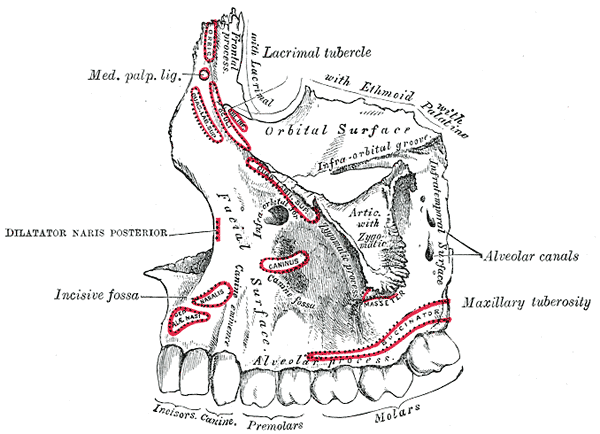
Canine teeth — often called canines, fangs, eye teeth or dogteeth — are the pointed teeth located at the corners of the dental arch in mammals. They sit immediately lateral to the incisors and are typically conical, single-rooted teeth adapted for piercing, holding or slicing food. In many species they also function in social displays, threat postures and combat between individuals.
Image gallery
10 Images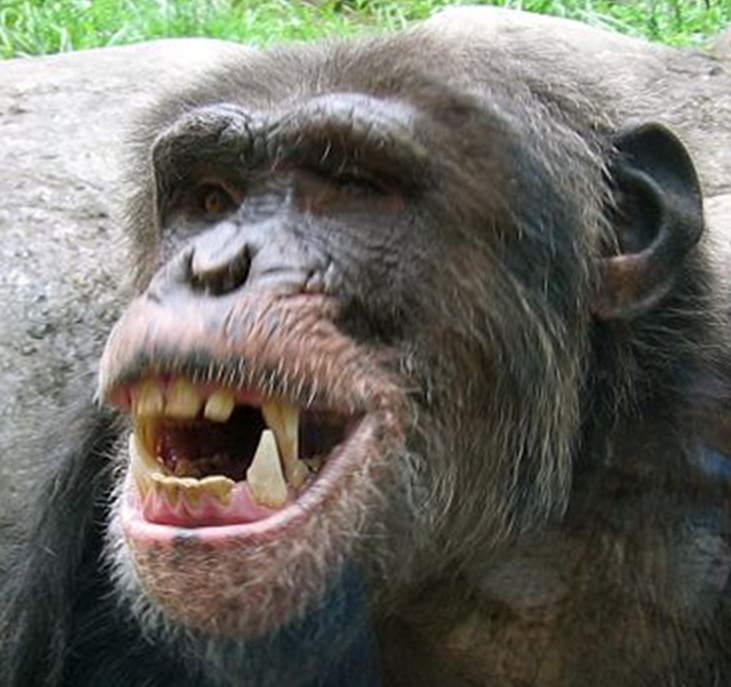






Anatomy and variation
Structurally, a canine has a single prominent cusp and a long root relative to its crown. Their size, shape and orientation vary greatly among mammals according to diet and behavior. In carnivores like members of the cat family the canines are long and sharp to deliver killing bites; in some omnivores and herbivores they may be reduced or modified into tusks.
- Common examples with prominent canines include wolves and dogs: canid species.
- Small, retractable or very sharp canines appear in many felids: cat family.
- Some marine mammals develop enlarged tusk‑like canines, for example the walrus.
- Canines are a typical feature of mammals and are positioned beside the incisors.
Function and behavior
Primary functions include grasping prey, tearing flesh and holding objects. In social species large canines can be weapons in fights or signals of dominance; male primates often have larger canines than females, a form of sexual dimorphism. Where diet does not demand tearing, canines tend to be smaller and align more closely with adjacent teeth.
Evolutionary context and notable facts
Canines have a long evolutionary history within Mammalia and have been modified in different lineages to meet ecological needs — from killing implements in predators to display structures in herbivores and primates. Fossil teeth often preserve well, so canine morphology is useful for identifying extinct species and inferring aspects of behavior.
Human canines and dental considerations
Human canines are relatively modest compared with many other mammals and are arranged in line with adjacent teeth, reflecting a less specialized diet. Like other teeth they develop as part of a deciduous (primary) set and are replaced by permanent canines. Dental care includes monitoring for impaction, wear and alignment; in orthodontics canines are important both functionally and aesthetically.
Related articles
Author
AlegsaOnline.com Canine tooth Leandro Alegsa
URL: https://en.alegsaonline.com/art/16558