
Canis (genus of dogs, wolves, coyotes and jackals)
Canis is a genus of medium-to-large canids that includes wolves, coyotes, jackals and the domestic dog; species vary by classification and are adapted for endurance hunting and social behavior.
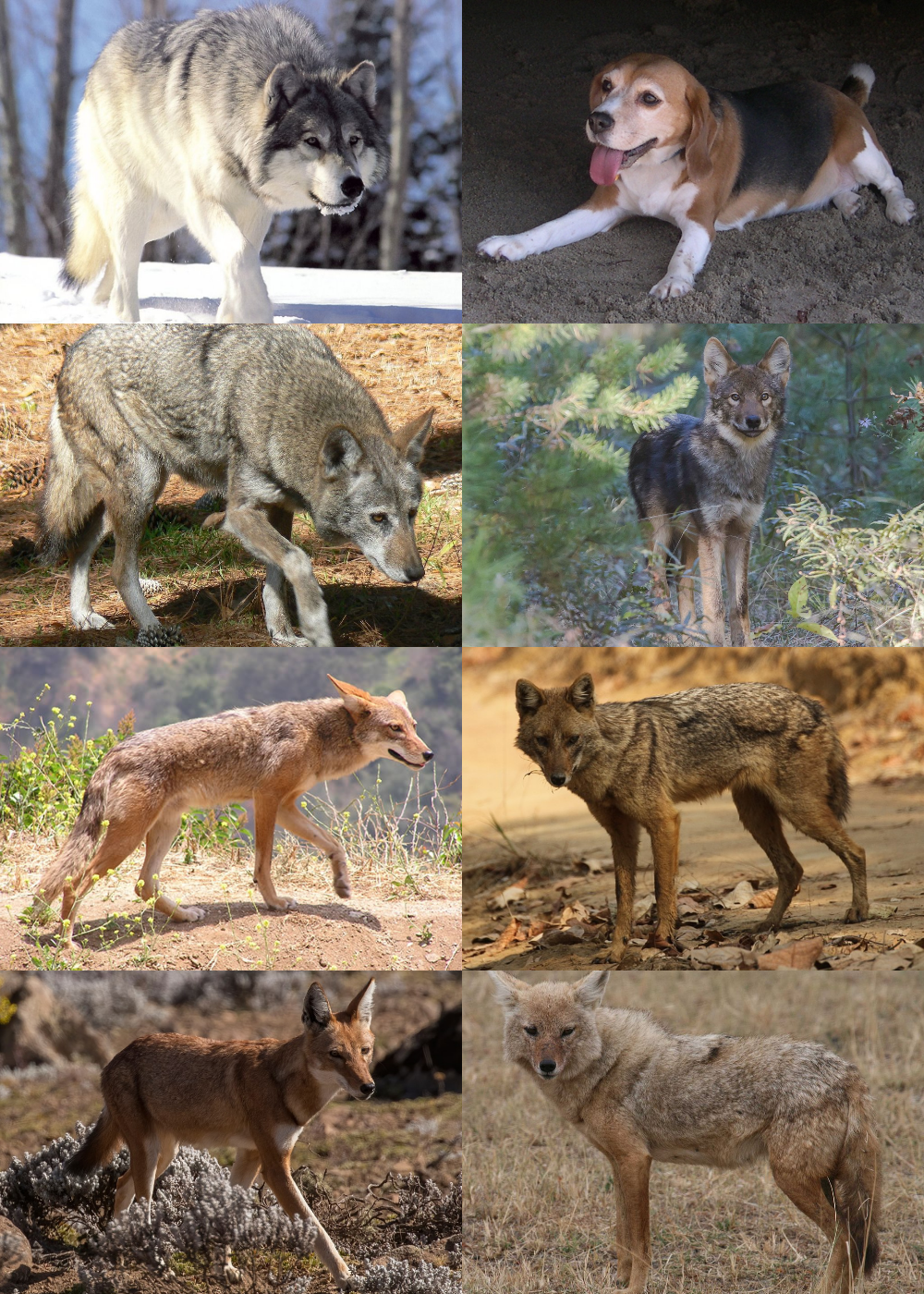
Canis is a genus within the dog family Canidae that encompasses several familiar living species and a number of extinct relatives. The group includes wolves, coyotes, many types of jackals and the domesticated dog. Different authorities recognize between seven and ten living species, reflecting ongoing taxonomic debate. The name Canis derives from the Latin word for "dog" and has long been used in scientific nomenclature to group these closely related canids.
Image gallery
10 Images




Physical characteristics
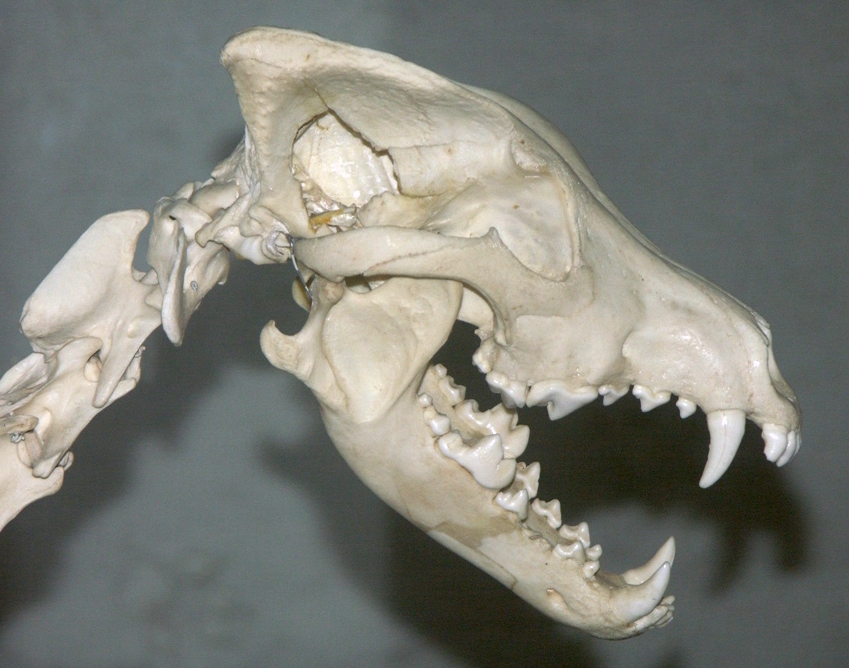
Members of Canis share a common body plan: digitigrade stance, relatively long legs for sustained running, elongated muzzles and strong jaws. Their dentition is specialized for a meat-based diet: large canines for seizing and killing prey, shearing carnassial teeth for slicing flesh and robust premolars and molars capable of cracking bone. These adaptations, together with efficient respiratory and limb mechanics, make many Canis species effective endurance predators.
Taxonomy and species
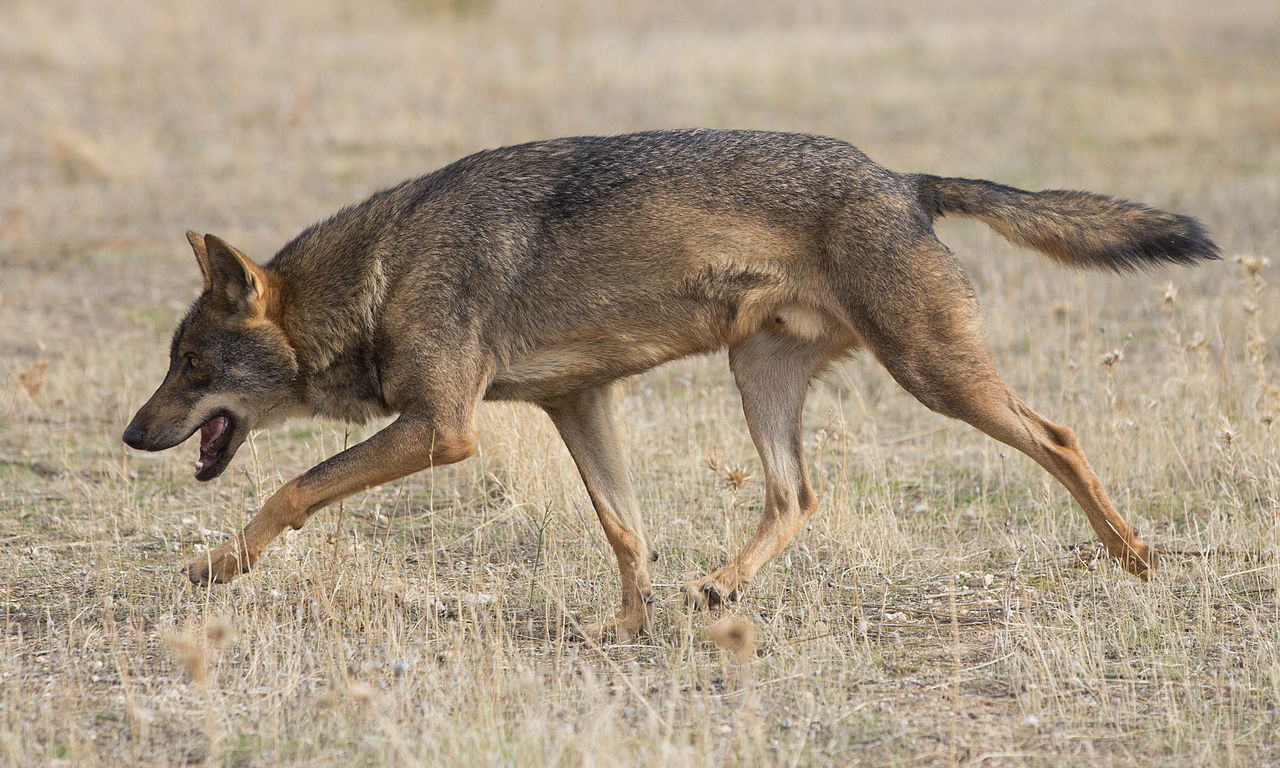
The genus is traditionally placed in the family Canidae. Well-known living members include the gray wolf and its domestic form, the coyote, and several jackal species. Taxonomic treatments vary; some recent studies split or lump populations, producing different counts of species. For a standard overview see Canis genus, and for the domesticated form see domestic dog. Fossil and extinct species are summarized in specialist literature and databases such as fossil records.
Evolution and fossil record
Canis has a rich fossil record showing diversification in the Pliocene and Pleistocene epochs. Several extinct large species are widely known; for example, the dire wolf is a frequently cited Pleistocene canid. Paleontological research traces how climatic shifts and prey availability shaped size, sociality and hunting strategies across the genus. For background on the name and historical usage see etymology.
Behavior, ecology and uses
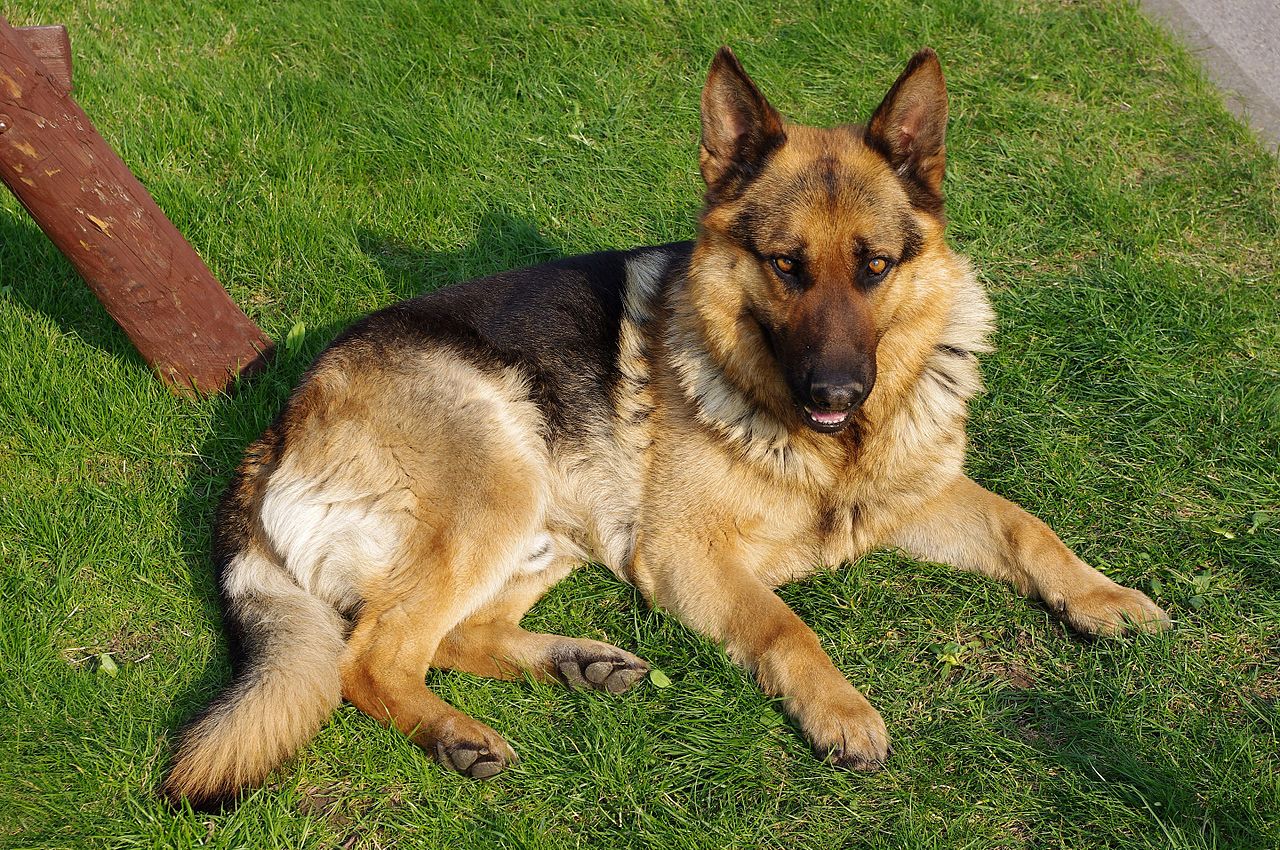
Behavior varies by species: some Canis are solitary or pair-living, while others—like many wolves—form cooperative packs with complex social hierarchies. Communication uses vocalizations, scent marking and body postures. Many species are versatile in diet and habitat, occupying forests, grasslands, deserts and human-altered landscapes. Humans have long interacted with Canis: the domestic dog is a domesticated form derived from wolf ancestors and has been bred for work, companionship and hunting.
Conservation and notable facts
Conservation status differs across the genus. Some species thrive and even expand in human-dominated areas, while others face pressure from habitat loss, persecution and reduced prey populations. Canis species are important ecologically as predators and culturally as symbols and companions. Their specialized teeth and endurance running are key distinctions from many feline predators; further anatomical and dietary details are discussed in specialist resources such as canid dentition studies.
For more detailed taxonomic lists, species accounts and current conservation assessments consult authoritative databases and recent scientific reviews at the links above.
Related articles
Author
AlegsaOnline.com Canis (genus of dogs, wolves, coyotes and jackals) Leandro Alegsa
URL: https://en.alegsaonline.com/art/16563