
Cannibalism in Animals: Causes, Types, and Ecological Roles
Cannibalism — consumption of conspecifics — occurs across many animal groups. This article explains forms, causes, ecological effects, and notable examples from insects to mammals.
Overview
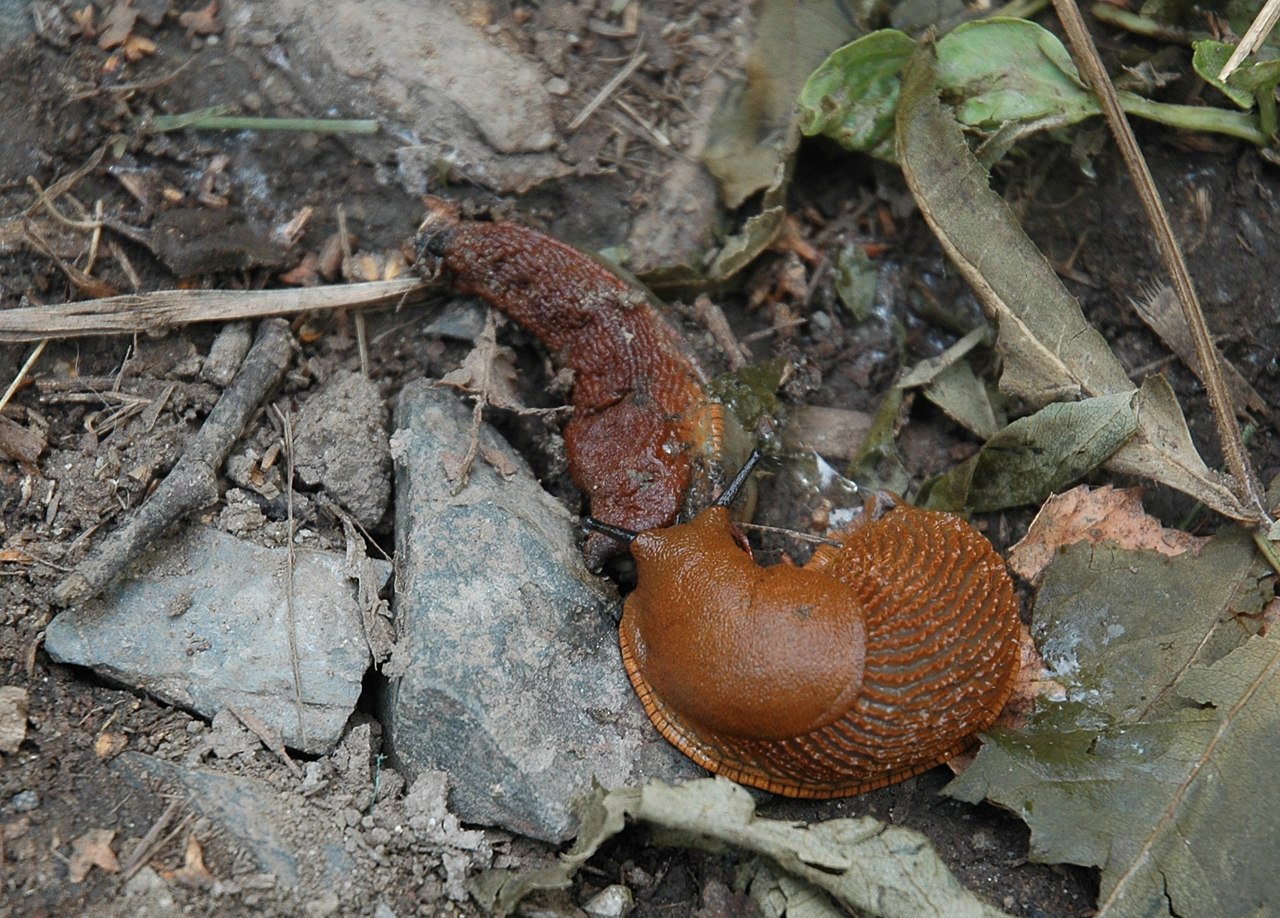
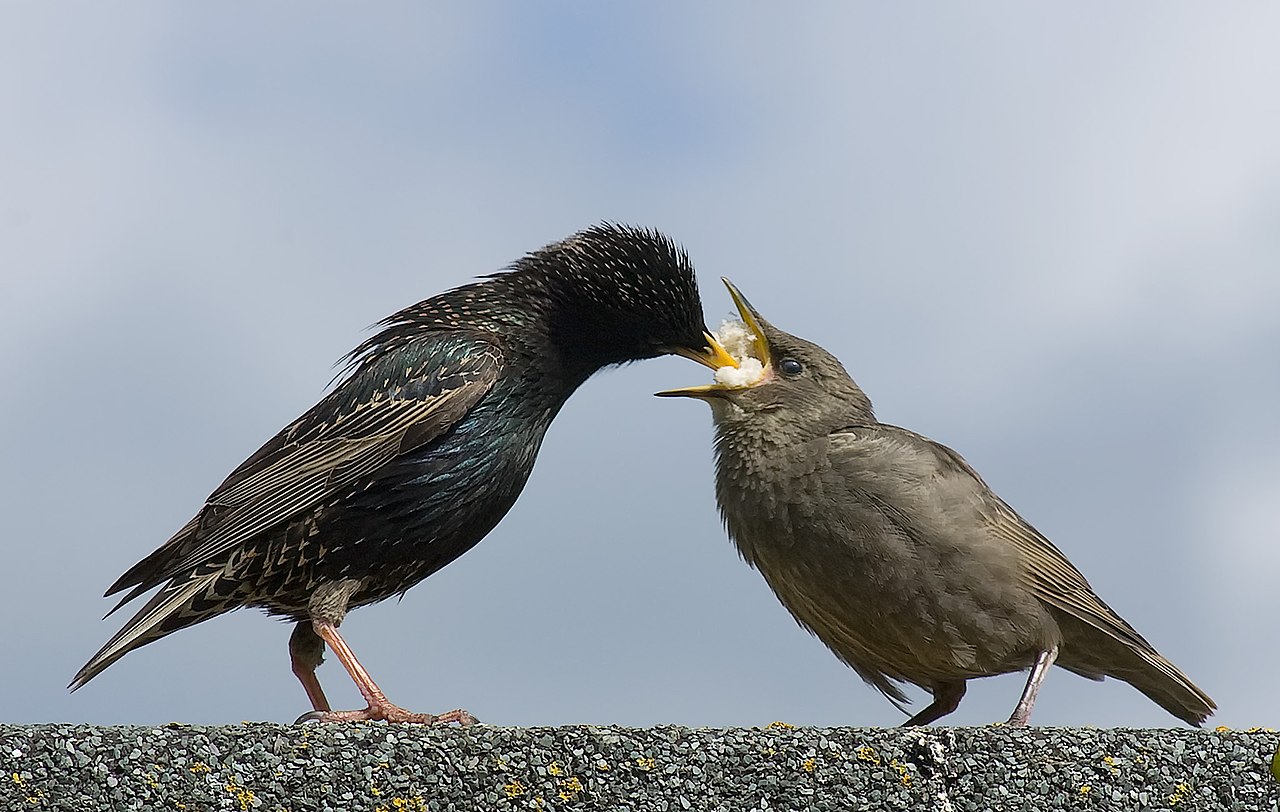
Cannibalism in animals is the behaviour in which an individual consumes another member of the same species. Records from the scientific literature document the practice in well over 1,500 species across invertebrates and vertebrates. It is neither uniformly pathological nor always rare: in many taxa it is an occasional, context‑dependent strategy that can provide nutritional, reproductive or competitive advantages.
Image gallery
4 Images

Forms and causes
Cannibalism takes several distinct forms, each with different causes and consequences. Common categories include:
- Sexual cannibalism: often seen in some spiders and praying mantises, where the female may consume the male during or after mating. See research summaries: insects and arachnids and spider studies.
- Filial cannibalism: parents eat eggs or young under stress, food shortage, or to recoup resources; reported in fishes, amphibians and some mammals (vertebrate examples).
- Siblicide and growth cannibalism: larger juveniles or larvae eat smaller conspecifics to gain a size advantage, common among amphibian larvae and some insects (frogs and tadpoles).
- Opportunistic predation: individuals consume weakened, dead or trapped conspecifics when other food is scarce.
Ecological and evolutionary significance
Cannibalism can alter population dynamics, reduce competition, and provide a high‑value nutrient source. It also carries risks, such as transmission of pathogens and loss of inclusive fitness when relatives are eaten. Because of these trade‑offs, the behaviour is often facultative and influenced by density, resource availability and reproductive pressures. For overviews see general reviews and targeted studies on density effects: population ecology.
Notable examples and distinctions
Famous examples include mantids and some spiders where sexual cannibalism has been intensively studied, and many insects, scorpions and arachnids where males may be consumed after mating (scorpion observations). Cannibalism among mammals is rarer but occurs under extreme stress or overcrowding; hedgehogs and some carnivores have been reported to eat offspring or conspecific carcasses in particular circumstances. For comparative accounts and further reading, see reproductive behaviour and extended reviews at amphibian literature.
Understanding cannibalism requires integrating behaviour, ecology and evolution: it is a widespread, context‑dependent strategy that can be adaptive in some situations and costly in others.
Related articles
Author
AlegsaOnline.com Cannibalism in Animals: Causes, Types, and Ecological Roles Leandro Alegsa
URL: https://en.alegsaonline.com/art/16578
Sources
- commons.wikimedia.org : Animal cannibalism